
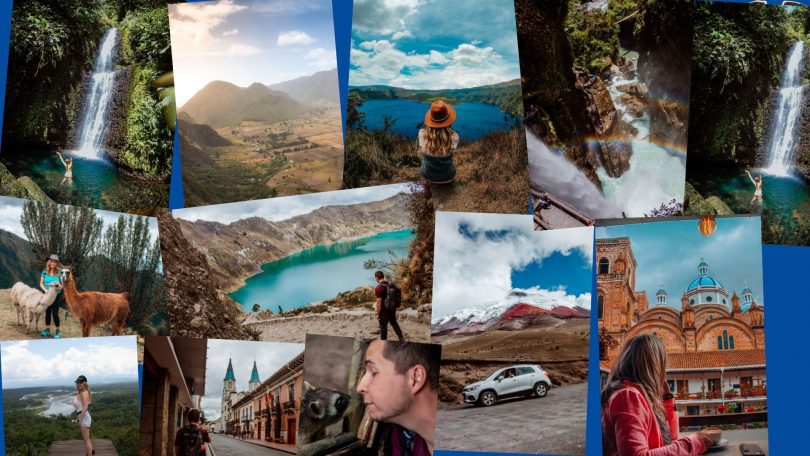
My wife and I rented a car and explored the Ecuador Mainland and I’ve gotta say, it’s a hidden gem for travel lovers. I made an effort, and I decided to do this Ecuador travel guide based on our experience.
Our travel to Ecuador was truly amazing. You’ll find historical cities, active and inactive volcanoes, crater lakes, hiking at altitudes of 5000m, hot springs, waterfalls, Amazon jungles, mind-blowing national parks, and, of course, the unique Galapagos islands… but I’ll get into that in a separate article.
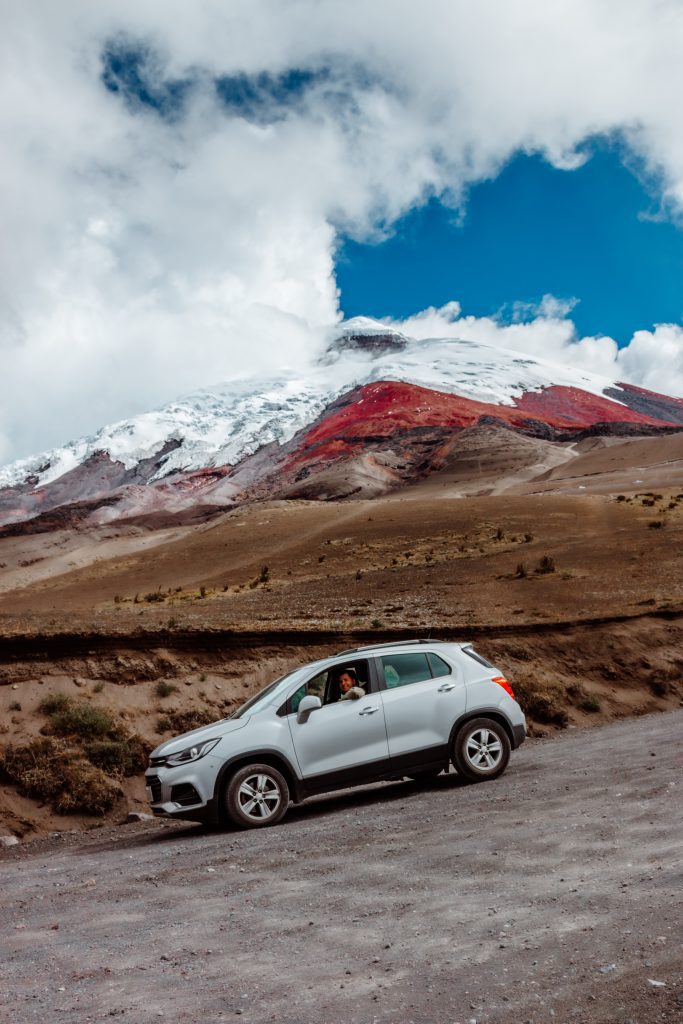
Cotopaxi Volcano
Not only is there absolutely loads to see but it’s also totally budget-friendly.
The goal of this travel guide is to give you an idea of what a road trip to Ecuador’s mainland actually looks like and to help you decide whether you want to travel to Ecuador yourself.
To help with that, we’ll talk about:
- Our route and the places we visited in Ecuador
- How much we spent and – most importantly – how you could potentially save money. Spoiler alert: we spent $3400 excluding flight tickets, travel insurance, and PCR test expenses.
- Our accommodation
- And my personal favorite: the Ecuadorian food we tried
Feel free to read the article or watch my video:
I’ll start my travel guide with general information about traveling in Ecuador, but if you want to see our route only, feel free to skip to this part right away.
Table of Contents
Essential Information for a Well-Planned Trip to Ecuador
Ecuador Travel Restrictions
As of July 20, 2023, Ecuador has abolished its COVID-19 entry requirements. International travelers are now exempt from presenting COVID-19 vaccination cards or providing proof of a negative COVID-19 test before entering the country.
This information may change, so always do your research before traveling. You may visit Ecuador’s Ministry of Health website to check.
Best Time To Visit Ecuador
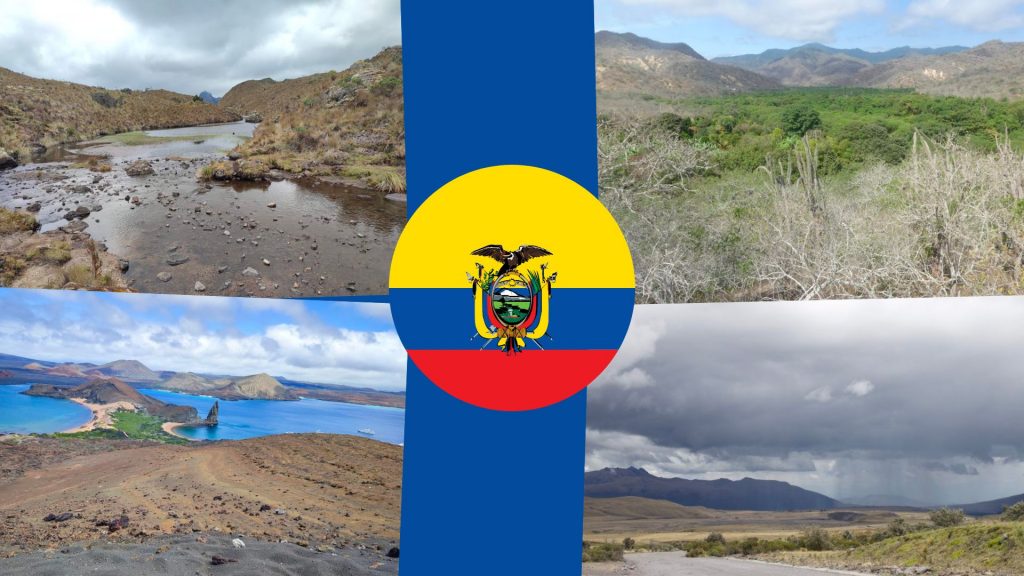
The country experiences two main seasons: the rainy season and the dry season, which vary depending on altitude and distance from the equator. Even during the rainy season, Ecuador is a wonderful vacation destination as most days are sunny until the afternoon. Many locals say that the best time to visit Ecuador is July, August and September. We visited Ecuador in September and the weather was almost perfect.
The ideal time to visit Ecuador varies based on the specific region you plan to explore and the activities you wish to engage in. The country is divided into three distinct regions: the Amazon, Andean, and Galapagos Islands.
In the Andes region, February, March, and April are typically the wettest months, while June, July, and August tend to be drier. The southern coast and the Galápagos experience the sunniest and warmest weather from December through May.
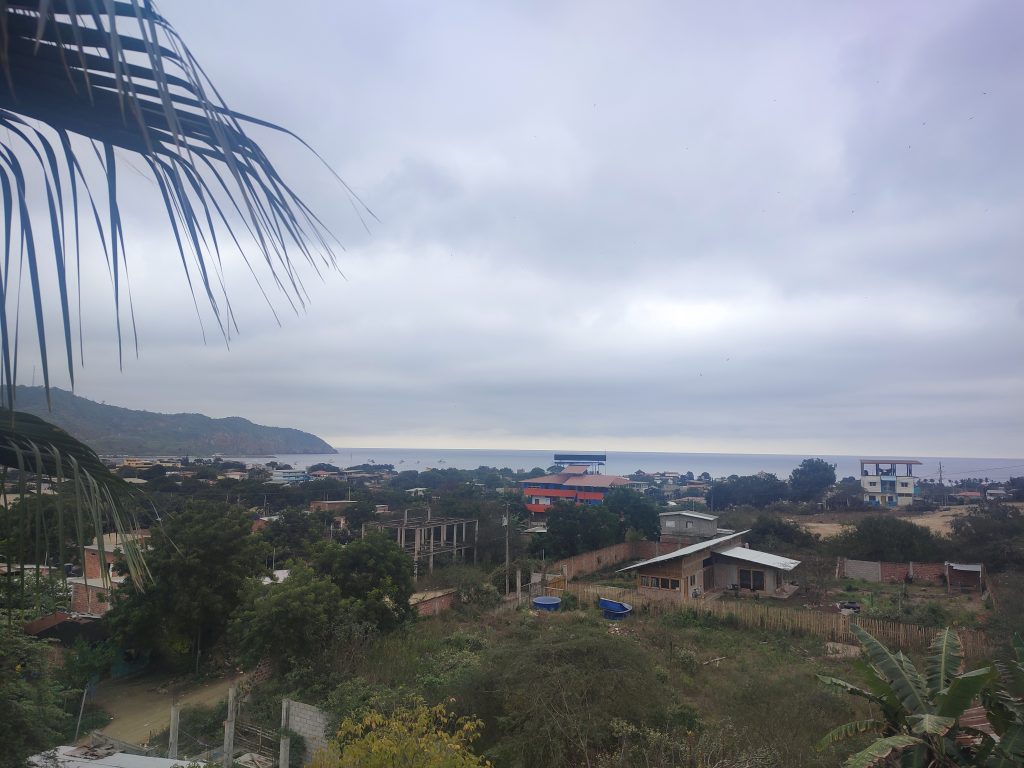
On the coastal lowlands, a tropical climate prevails with average temperatures ranging from 26°C to 23°C. Cities like Manta and Puerto Lopez are popular among travelers. Although there are no significant seasonal temperature fluctuations, February through April tends to be the wettest period, while the dry season from June to December brings cooler temperatures and increased cloudiness.
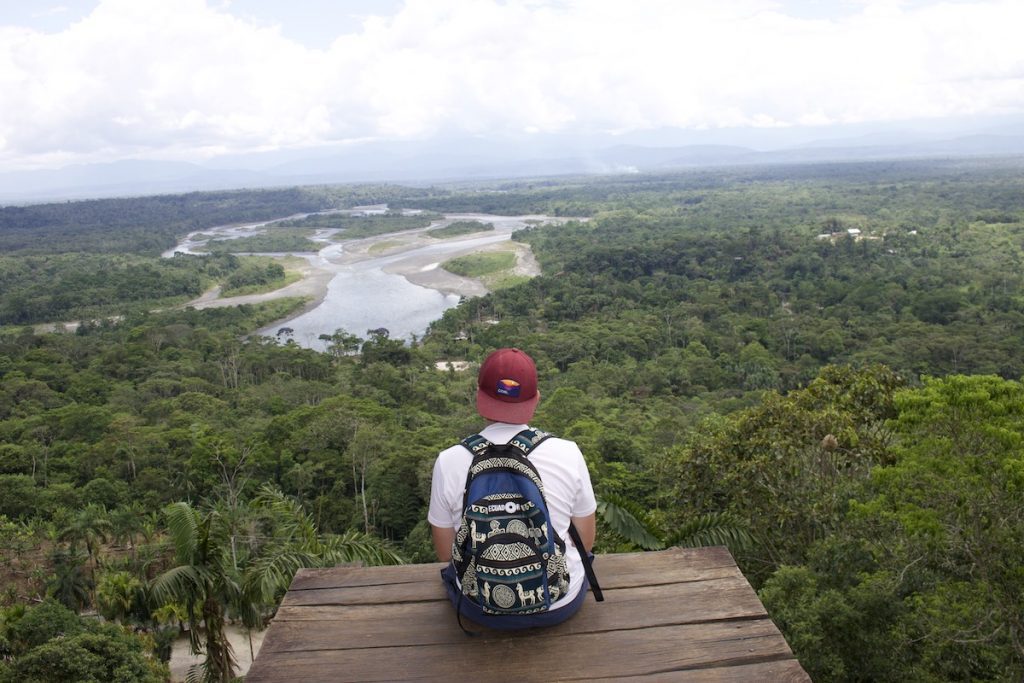
In Ecuador’s Amazon region, the climate is characterized by three distinct seasons: wet, dry, and in-between. There is no ideal time to visit as each season has its advantages and disadvantages. The wet season from March to July brings heavy rains, although not necessarily every day, with higher river levels and pleasant temperatures. The dry season from December to March sees less rainfall, but some precipitation is still expected. During this time, temperatures and humidity increase, making activities less affected by rain, though river levels may be lower.
Understanding the seasonal variations in different regions of Ecuador will help you plan your visit accordingly and make the most of your trip.
Read more about the climate and weather in Ecuador here.
Best Places To Visit in Ecuador
Having personally visited some of Ecuador’s remarkable destinations, I can recommend several must-see places:
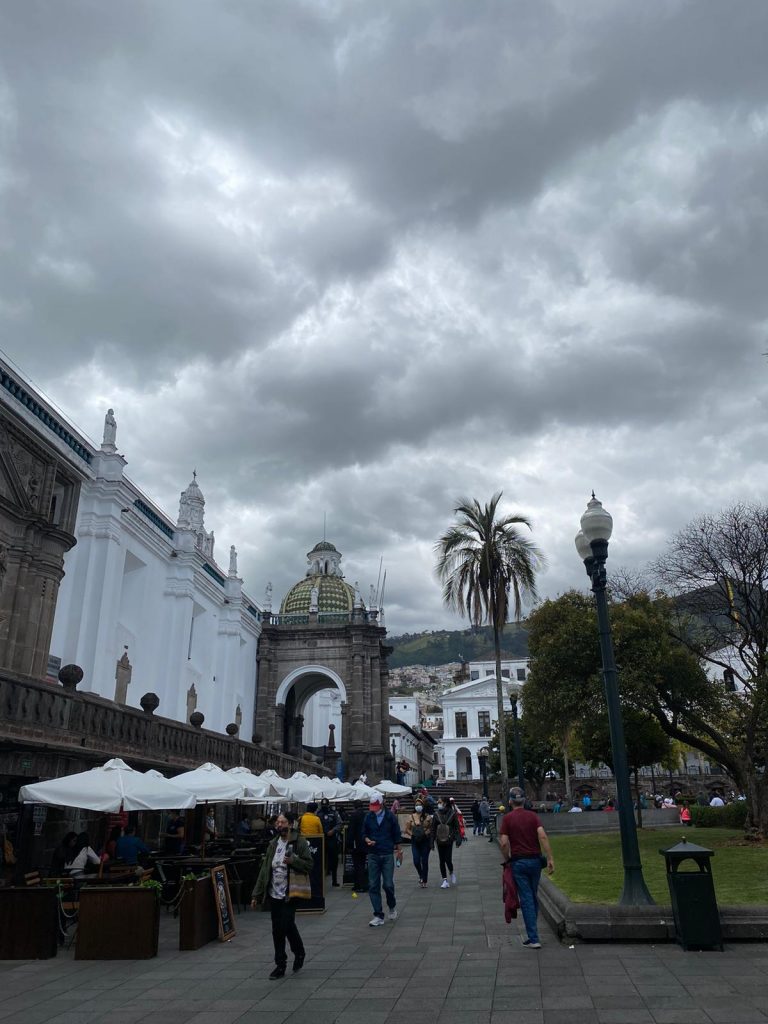
One of the top spots is Quito, the capital city. Its historic center, known as Quito’s Old Town, fascinated me with its well-preserved colonial architecture. Churches like the Basilica del Voto Nacional and panoramic views from El Panecillo made my visit truly memorable.
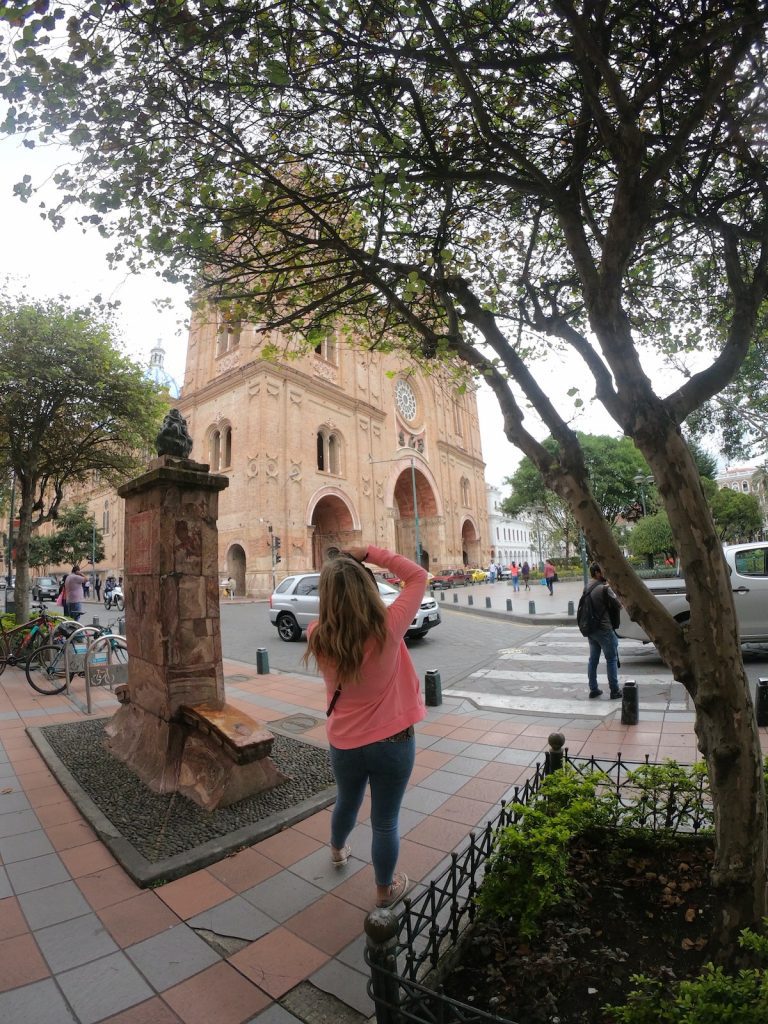
Another city that captured my attention was Cuenca. Stepping into its cobblestone streets and admiring the colorful colonial buildings was like stepping back in time. The Catedral de la Inmaculada Concepción and the nearby Ingapirca ruins showcased Ecuador’s rich heritage.
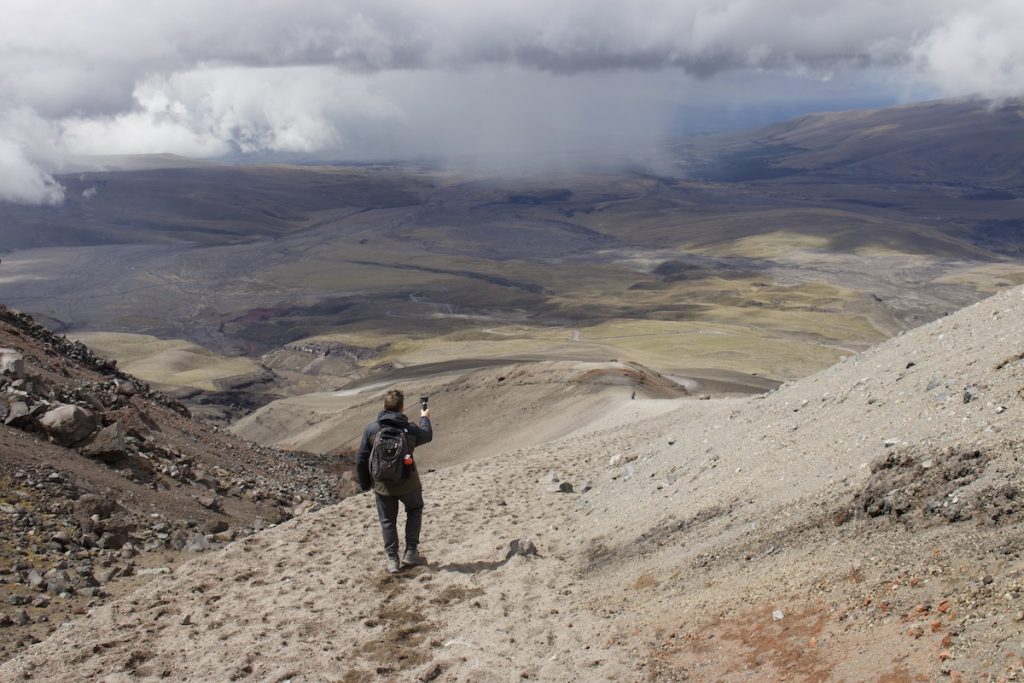
For nature enthusiasts, Cotopaxi National Park is a must-visit. I was in awe of the towering Cotopaxi volcano, and the park’s hiking and biking trails allowed me to immerse myself in its stunning landscapes.
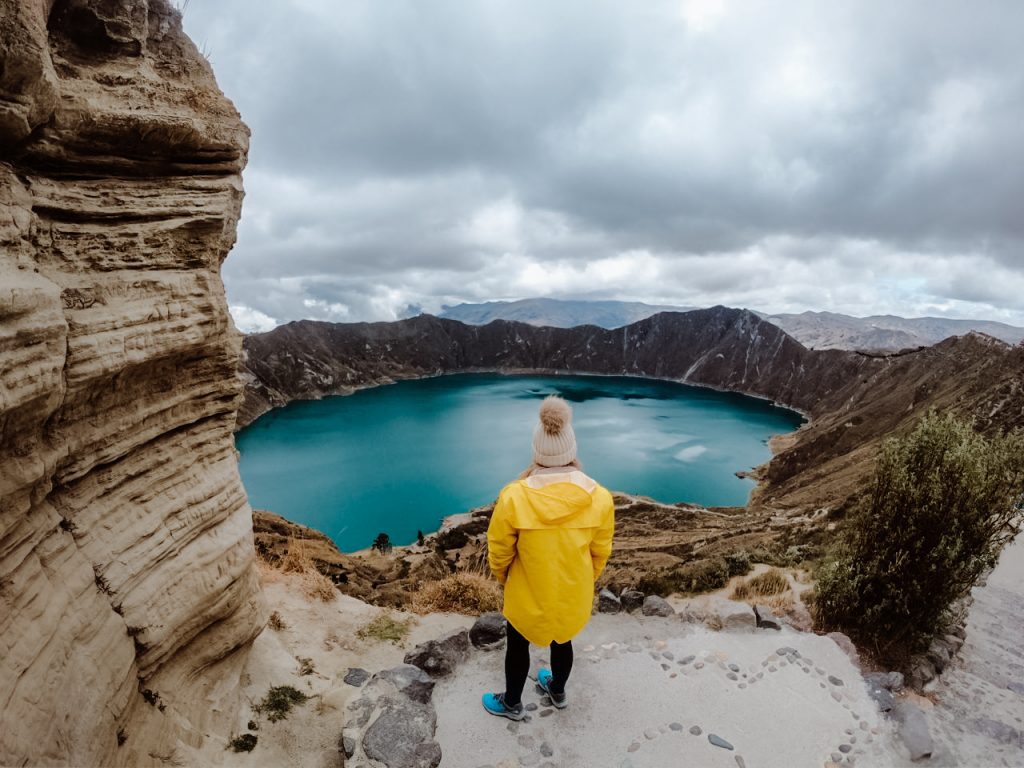
Quilotoa Lake, located within a volcanic caldera, left me speechless with its turquoise waters. I hiked along the crater rim, taking in the breathtaking views. The nearby indigenous communities provided cultural encounters and insights into Andean life.
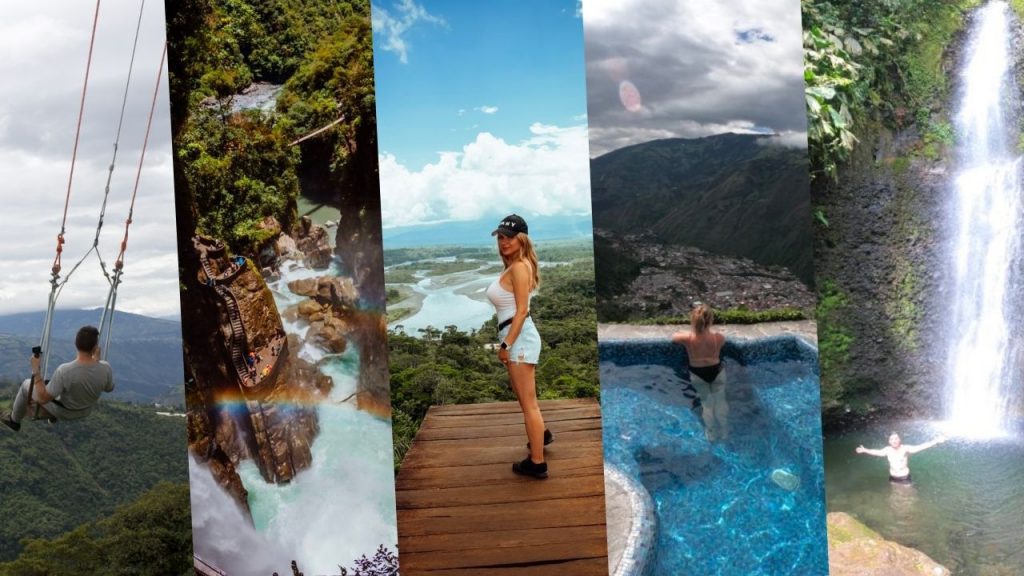
Additionally, the city of Baños should not be missed. Known for its hot springs and adventure activities, Baños offers an exciting blend of relaxation and adrenaline-pumping experiences.
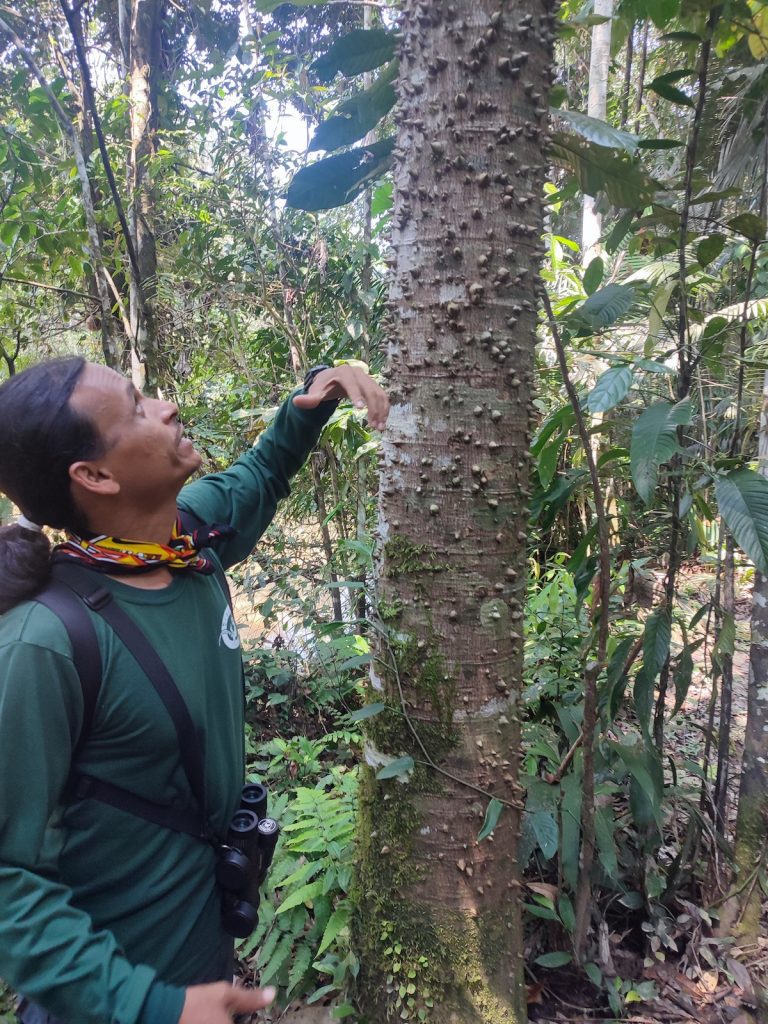
Lastly, my Amazon experience in the Cuyabeno Reserve was unforgettable. Navigating the river by canoe, spotting monkeys and dolphins, and being surrounded by the lush rainforest showcased the incredible biodiversity of the Amazon.
Check out even more things to do and see in Ecuador in this article.
What Budget Do You Need?
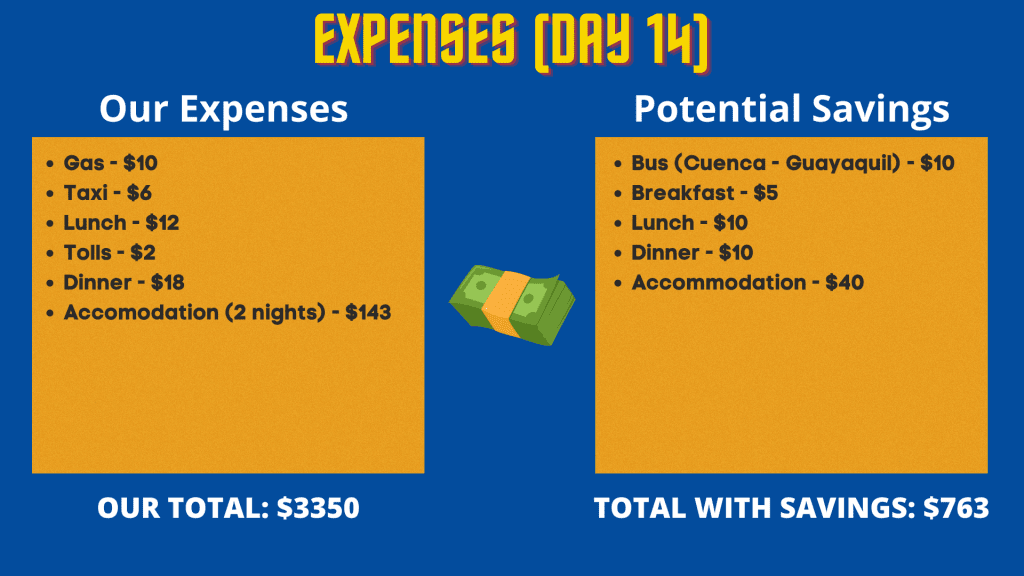
During our trip through Ecuador Mainland, we spent 3400 US dollars over two weeks for two people, excluding tickets, PCR tests, and travel insurance. You can definitely reduce this amount by renting cheaper accommodation, using buses, and purchasing less expensive food. For example, we met a few traveling nomads who spent less than $500 for 30 days. To give you an idea:
- Accommodation: Budget travelers can find hostels or guesthouses starting at around $10-20 per night. Mid-range hotels typically range from $40-80 per night, while luxury accommodations can cost $100 or more per night.
- Food: Eating at local eateries and street stalls can be very affordable, with meals ranging from $3-8. In restaurants, a mid-range meal can cost around $10-15 per person.
 Keep in mind that dining in upscale establishments can cost $20 or more per meal.
 - Transportation: Public transportation in Ecuador is super cheap. Local buses within cities usually cost around $0.25-0.50 per ride. Intercity bus tickets vary depending on the distance traveled, but expect to pay around $5-10 for shorter trips and up to $10-25 for longer journeys.
- Activities and Attractions: Entrance fees for popular tourist attractions in Ecuador can range from $2-10. Excursions, such as guided hikes or tours, vary in price depending on the duration and complexity of the activity, but budget around $30-100 per person for most day trips.
- Miscellaneous Expenses: Other daily expenses, such as bottled water, snacks, and souvenirs, can add up to approximately $5-10 per day.
These are rough estimates and prices can vary depending on the location, season, and personal preferences. It’s always a good idea to research specific destinations and activities in advance to get a more accurate understanding of costs and plan your budget accordingly.
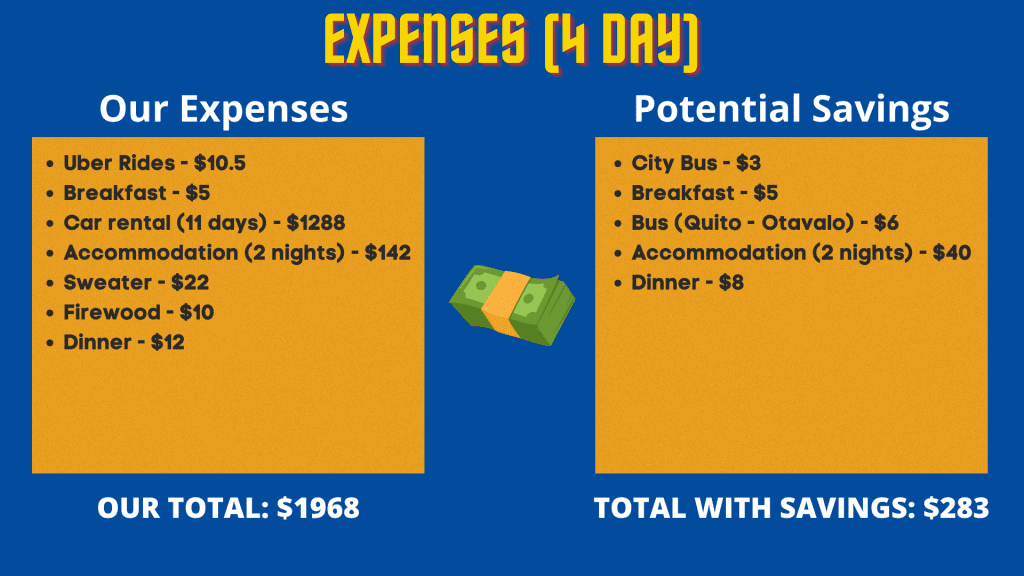
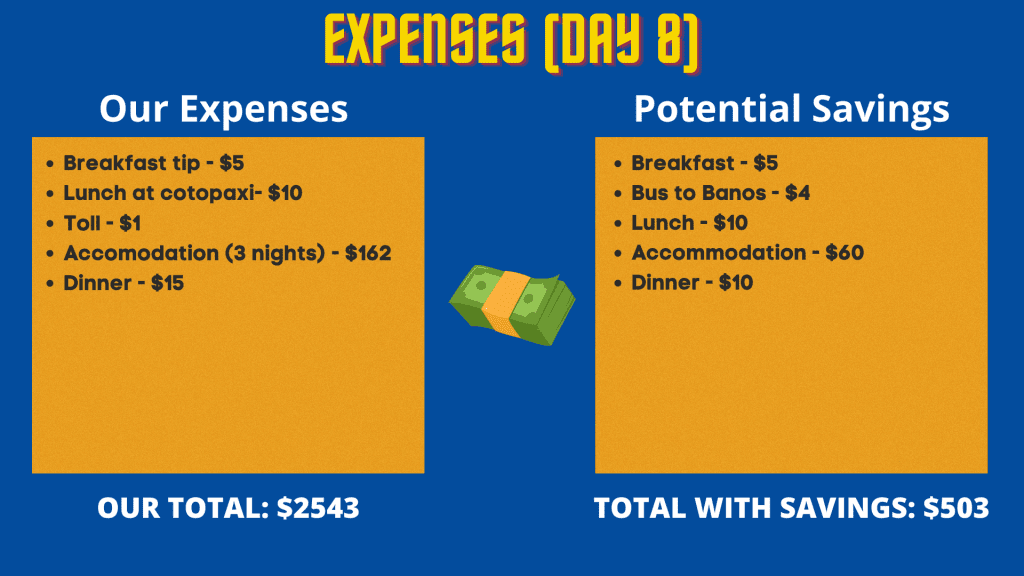
As we journeyed along our travel route in Ecuador, I’ll provide a breakdown of our day-to-day expenses, giving you a clearer idea of the costs involved.
Safety in Ecuador
We felt safe during our trip to Ecuador, despite high crime rates, particularly in the rural regions. However, you must still exercise caution, just like when visiting any city. This is especially true in the outskirts of major urban areas and popular tourist spots, where foreigners may be seen as vulnerable targets.
However, due to crime-related concerns, the US State Department advises against traveling to the northern regions of Carchi, Sucumbíos, and Esmereldas, which border Colombia.
It is advisable to be careful during nighttime hours. When in big cities, such as Quito and Guayaquil, pickpocketing can be a concern – but the same can be said of cities in so very many countries.
Nonetheless, we can confidently say that there were no safety issues throughout our entire trip, and we never felt endangered.
How to Stay Safe in Ecuador
We followed simple precautionary measures, such as a travel money belt for our money and smartphones and an anti-theft backpack for cameras and laptop. Nothing dangerous happened, not even once. In fact, the locals were both friendly and welcoming! But, as always, be cautious, avoid walking empty streets, and check whether somebody is following you once in a while.
Check more about Ecuador’s safety in this article.
Our tip: based on our personal experience, we advise against staying in Airbnbs, particularly in larger cities, as we found the experience to be unreliable. During our time in Quito, we encountered a concerning incident where it was evident that someone had entered our condo, although fortunately nothing was stolen. Additionally, in Cuenca, Airbnb cancelled our accommodation just a day before our arrival due to safety concerns at the property. Given these experiences, we highly recommend considering alternative options such as booking hotels. Websites like Trip.com or Booking.com offer convenient package comparisons, while Hostel World provides a wide selection of affordable hostels throughout Ecuador.
Essential Items to Pack for Your Ecuadorian Adventure
When preparing for your Ecuadorian trip, there are a few unusual items that we recommend bringing along:
- ChlorOxygen: If you’ll be visiting high-altitude areas, taking ChlorOxygen a week before your trip and continuing to use it can greatly help with acclimatization. It was a tremendous support for us in adjusting to the altitude.
- High Altitude Sunscreen: Due to the intensity of the sun at higher altitudes, it’s crucial to pack sunscreen specifically designed for high altitudes. This will provide better protection against the stronger UV rays.
- Safety Accessories: To safeguard against pickpocketing and ensure peace of mind, consider investing in safety accessories such as an anti-theft backpack. These bags are designed with security features to deter theft and keep your belongings safe.
- Hiking Boots: If you plan to explore Ecuador’s national parks and engage in hiking activities, sturdy hiking boots are essential. They will provide comfort, support, and traction, enabling you to navigate diverse terrains with confidence.
- Rain Jacket: Even if you’re traveling during the dry season, it’s wise to carry a lightweight rain jacket. Weather conditions in high-altitude areas can be unpredictable, and having a waterproof layer will protect you from unexpected rain showers.
- Reusable Water Bottle with Filter: Staying hydrated is crucial at high altitudes, and you may need more water than usual. A reusable water bottle with a built-in filter will allow you to refill it from various water sources, ensuring access to clean and safe drinking water throughout your trip.
- Travel Adapter: Ecuadorian outlets have different plug types, so a travel adapter will come in handy to charge your electronic devices and keep them powered up.
In addition to these unique items, don’t forget to pack typical essentials such as appropriate clothing for various weather conditions, toiletries, a first aid kit, necessary medications, and any personal items you may need.
Currency In Ecuador
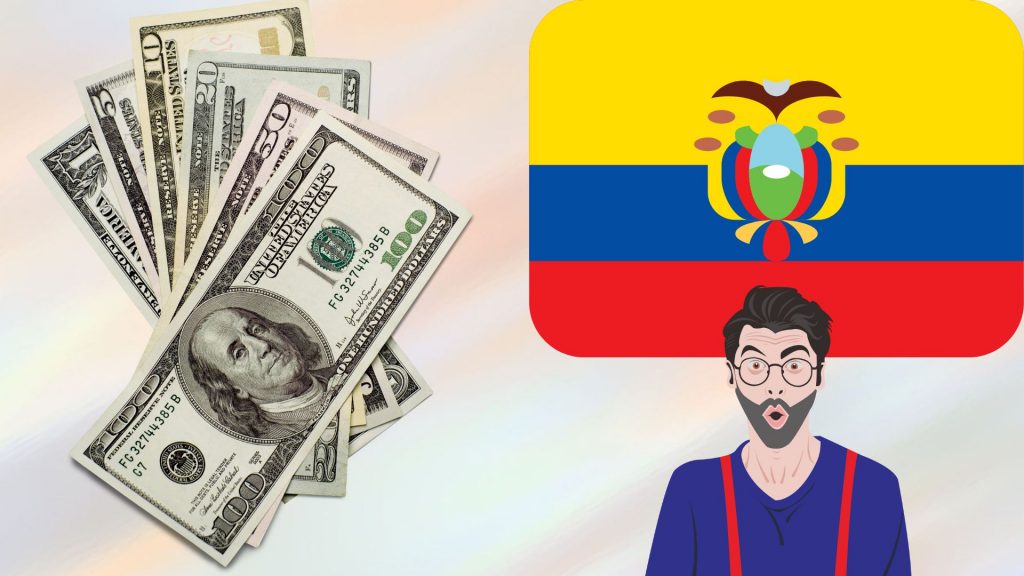
Ecuador operates on the US dollar as its official currency, which makes it a convenient destination for travelers. If you’re from the US, you can bring your dollars directly. For those from Europe or Asia, it’s easy to exchange your local currency for US dollars, which are widely accepted throughout Ecuador.
Cash or Credit Cards?
Based on our experience, I highly advise against relying on credit cards in Ecuador. The country’s technological infrastructure is not as advanced, and many establishments, including popular businesses, lack point-of-sale (POS) systems. Even when available, credit card transactions can be slow, taking 3-4 minutes, and are prone to rejections.
To simplify your transactions, it is much easier to use ATMs and withdraw cash. If you choose to bring cash, opt for smaller denominations such as $20 bills. It’s important to note that some places may not accept $100 bills due to the prevalence of counterfeit currency in Ecuador, as merchants are cautious about accepting larger denominations.
Getting Around Ecuador
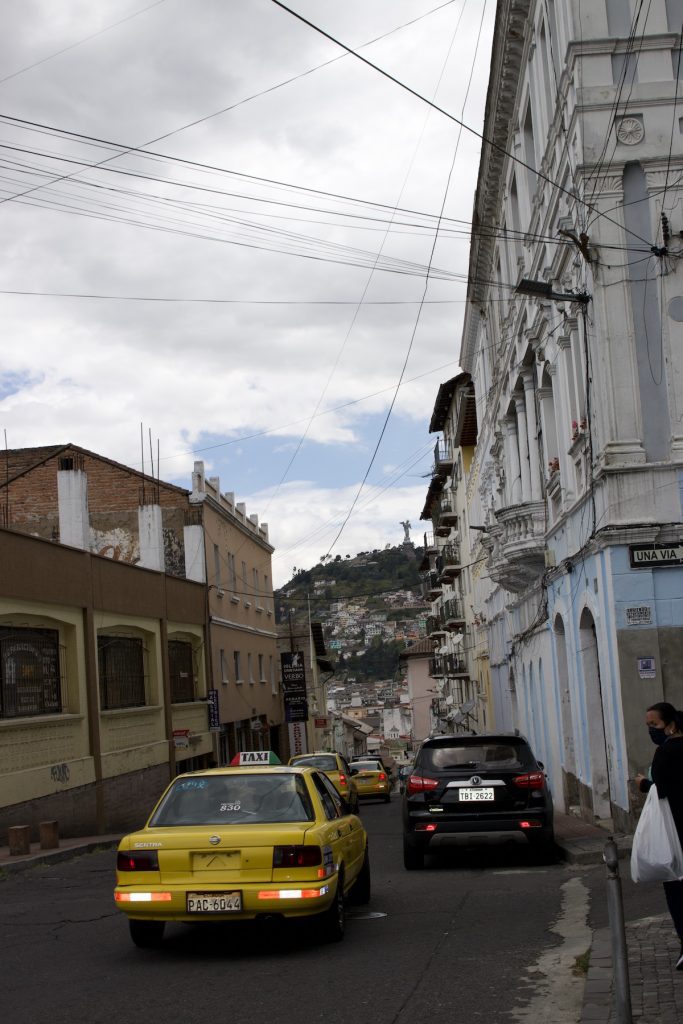
Getting around Ecuador is relatively easy and affordable. During our travels, we primarily relied on official taxis and Uber due to their affordability. For example, a 40-minute taxi or Uber ride typically costs around $10.
Buses in Ecuador are incredibly inexpensive, and a similar 40-minute ride may cost under $1. However, it’s important to note that buses can be less safe compared to other modes of transportation.
For longer distances between cities, domestic flights in Ecuador are reasonably priced. As an example, a flight from Quito to Guayaquil can cost around $70-100, and a flight from Quito to the Galapagos Islands can range from $200-400, depending on the season and availability.
On the other hand, renting a car in Ecuador can be relatively expensive. During our trip, we paid $1200 for a 12-day car rental. It’s worth noting that driving in Ecuador can be challenging due to factors like narrow roads, mountainous terrain, and local driving practices. For more information on driving in Ecuador, refer to the detailed article on this topic.
Altitude Sickness in Ecuador
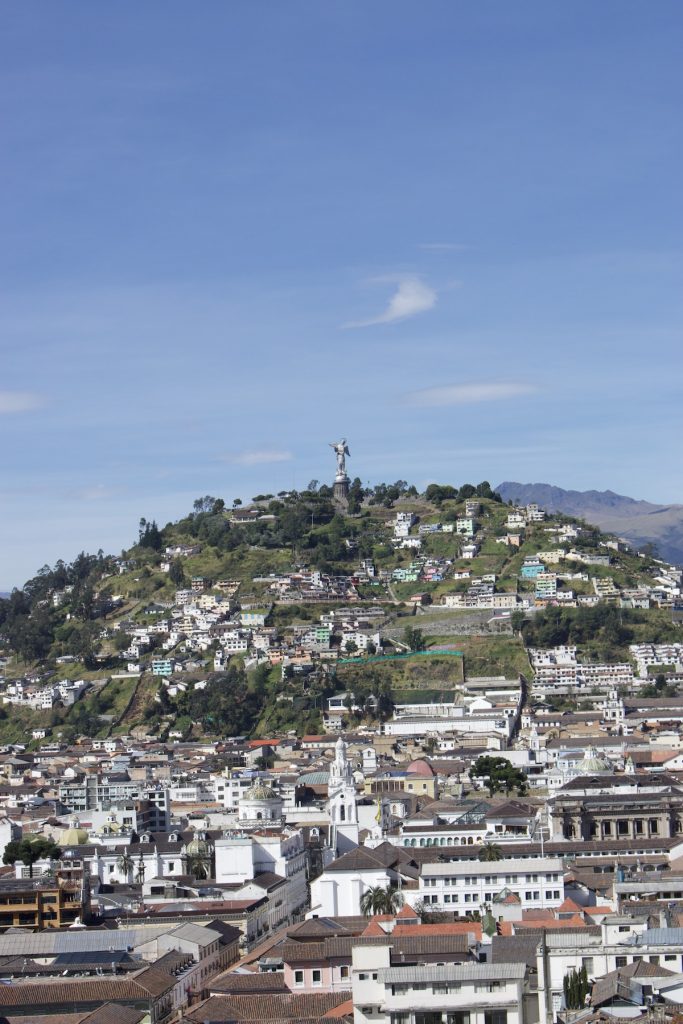
One aspect to consider during your journey in Ecuador is the potential occurrence of altitude sickness. Quito is 2,850 meters above sea level, and the entire Andean region features high altitudes.
Our doctor highly recommended taking ChlorOxygen, Chlorophyll Concentrate Softgels a week before the trip and it helped us to adjust at such an altitude.
Altitude sickness affects individuals differently, with some being more susceptible than others. The reduced oxygen levels can cause rapid fatigue, particularly for those unaccustomed to high altitudes.
We advise refraining from strenuous physical activities during the initial days in high-altitude areas to give time to yourself to acclimate appropriately. If you start to feel unwell, taking breaks and rest is essential. During hikes, consuming coca leaf or coca tea is helpful as it alleviates symptoms of altitude sickness.
Ecuadorian Food To Try During Your Trip
Ecuador boasts a rich culinary scene with various popular dishes that showcase the country’s unique flavors. One of the most beloved dishes in Ecuador is ceviche. This refreshing delicacy consists of fresh, raw fish marinated in a tangy citrus juice, typically lime, which cures the fish.
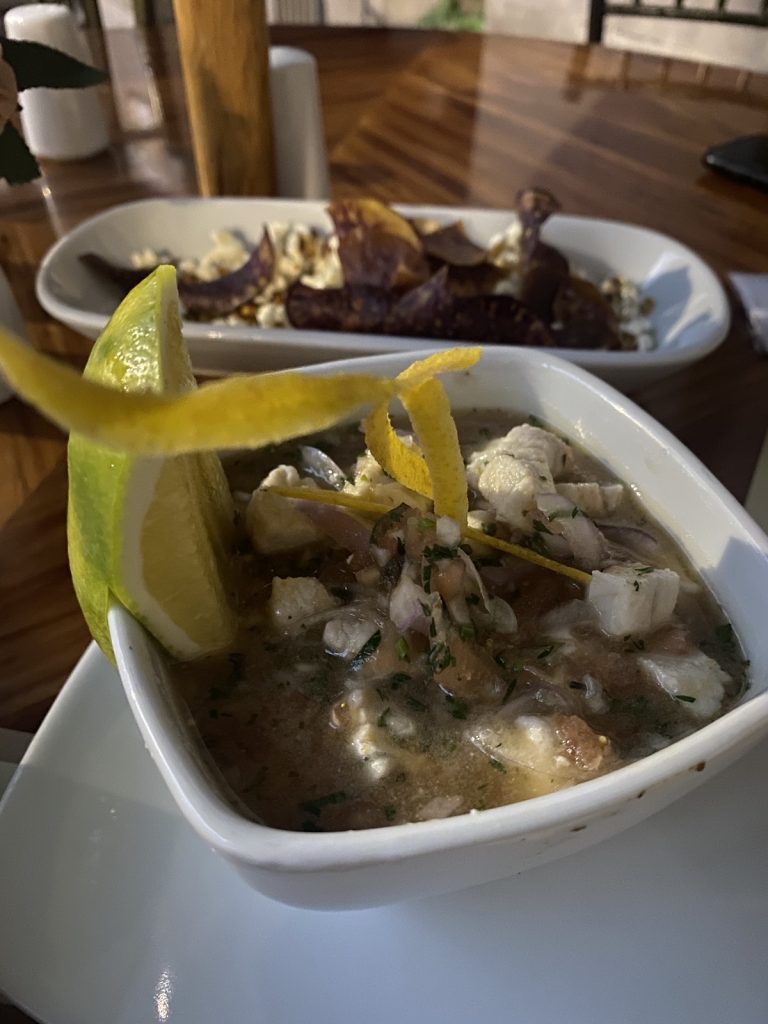
Fish Ceviche
Ecuadorian ceviche is distinct in that it is served in a flavorful broth, often incorporating the lime juice and the liquid used to prepare the seafood. While shrimp and fish are the most common variations, you can also find vegetarian ceviche made with ingredients like hearts of palm or lupini beans (chocho).
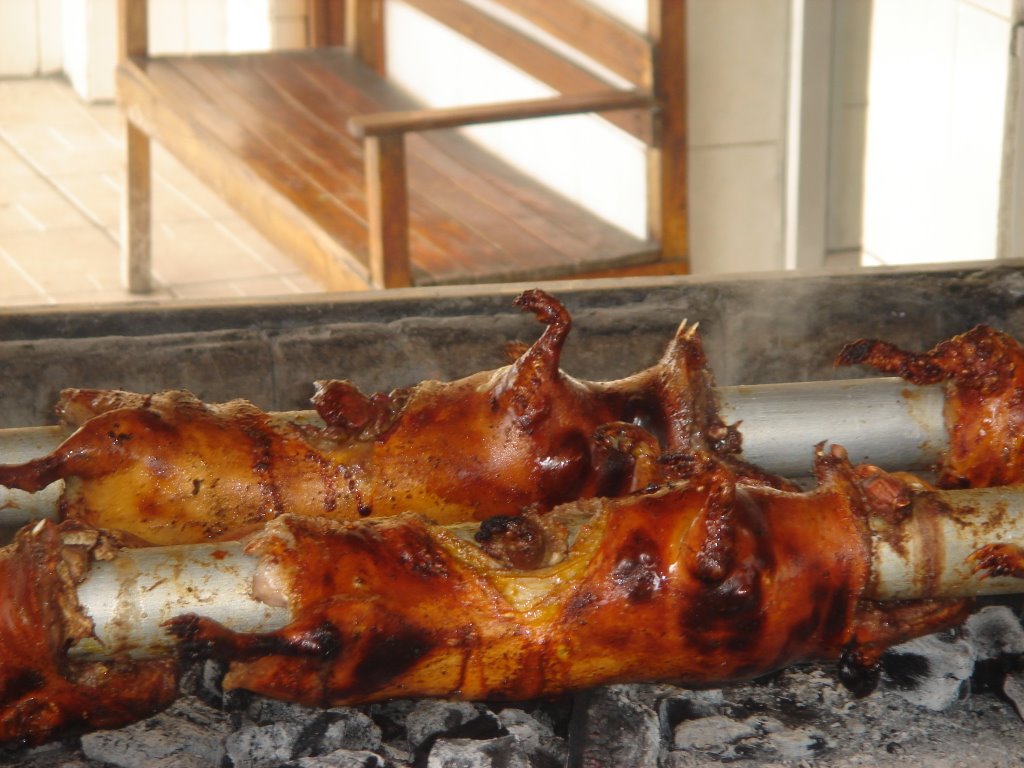
Photo Wikipedia
Another iconic Ecuadorian dish that may surprise you is cuy asado, which translates to “roasted guinea pig.” This dish is a cultural specialty, particularly popular in the regions across the Andes. It involves barbecuing the guinea pig whole, creating a unique and flavorful culinary experience.
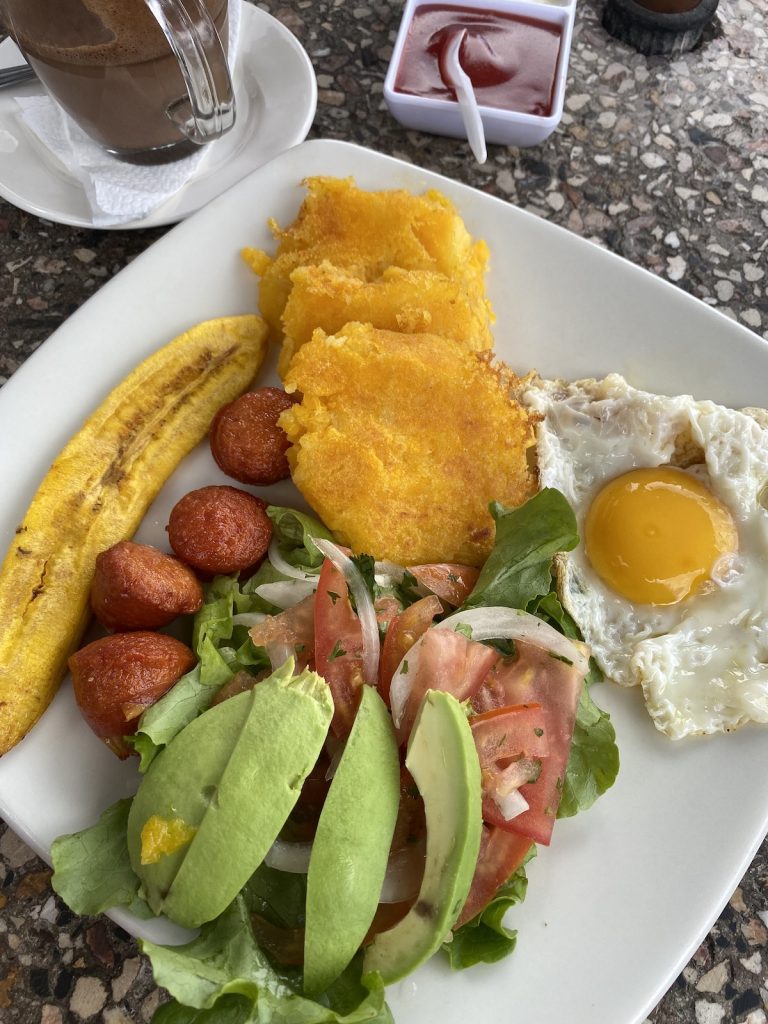
For those who love comfort food, llapingachos are a must-try. These fried potatoes or yucca patties are stuffed with cheese and served with a delectable peanut sauce. Often accompanied by sausage, eggs, and salad, llapingachos offer a satisfying and hearty meal.
If you are on a tight budget, a great food option is almuerzos. These multi-course meals will only cost you as little as $2!
Almuerzos typically include a variety of dishes, such as rice or potatoes, a small portion of greens, chicken or beef, soup, fresh juice, and a delightful dessert.
These are just a few examples of the diverse and flavorful cuisine that Ecuador has to offer. Exploring the local gastronomy will undoubtedly be an exciting and rewarding experience during your visit to this vibrant country. I’ll cover all our food experiences in this Ecuador travel guide below.
Drinking Tap Water
Drinking tap water in Ecuador is generally not safe for travelers. While many locals can drink tap water without issues, it’s important to note that their digestive systems have adapted to the specific characteristics of the water and its contents. As a visitor, your gut may not be accustomed to the local water and its potential contaminants.
We suggest using a purifying water bottle while traveling in Ecuador to ensure that you are safeguarded against any potential parasites, pathogens, or other microbes that may be present in the water.
Phone & Data Providers in Ecuador
When it comes to phone and data providers in Ecuador, there are several options available through Movistar or Bacalo. However, during our trip, we discovered a convenient alternative by using the Airalo app to connect a virtual eSIM card to our iPhone.
By using Airalo, we paid only $21 for 30 days, which provided us with 3GB of data. This was sufficient for our needs and offered a hassle-free solution for staying connected throughout our journey. The app allows you to easily purchase and activate eSIM cards, eliminating the need to visit local providers or deal with physical SIM cards.
While other providers in Ecuador offer various data packages, the flexibility and affordability of the Airalo app made it a preferred choice for us. It allowed us to have instant access to data without the hassle of dealing with traditional phone and data providers.
Our Comprehensive 15-Day Itinerary for Exploring Mainland Ecuador
Day 1: Exploring Quito Historic Center
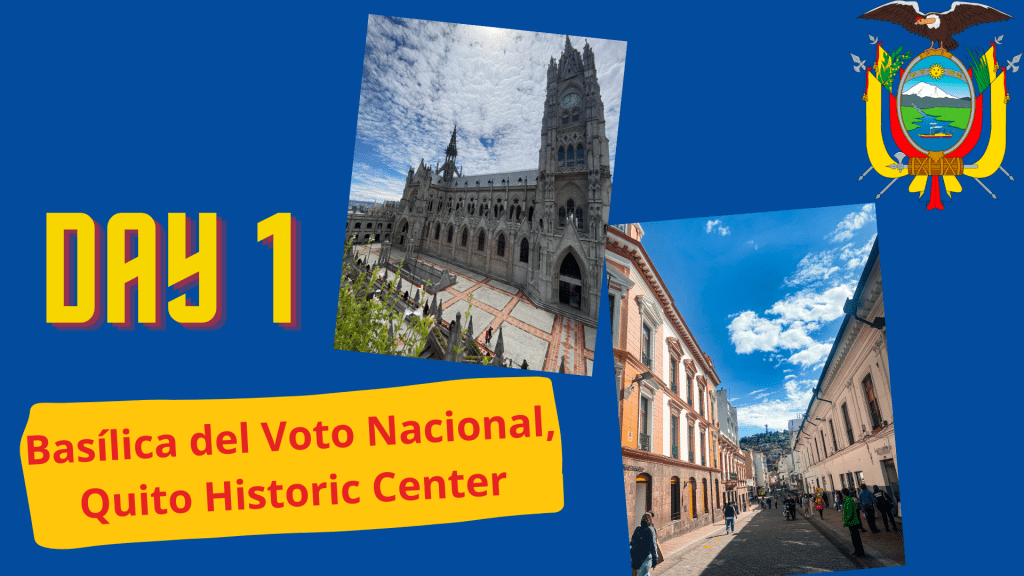
We landed in Quito (the capital of Ecuador) at 2:00am and, later that morning, visited what is probably the most popular tourist attraction, the Basílica del Voto Nacional.
Basílica del Voto Nacional, Quito, Ecuador
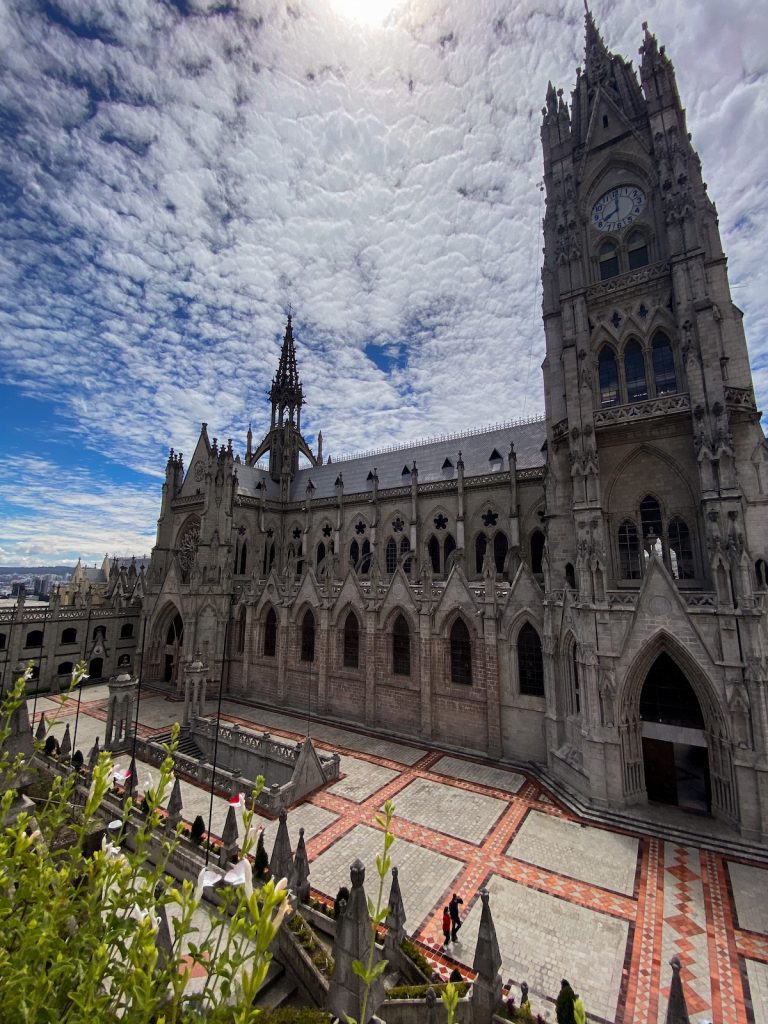
Basílica del Voto Nacional, Quito, Ecuador
It was only a minute away from our accommodation and the architecture was absolutely beautiful, both inside and out.
You’ve gotta pay 2 US dollars per person (yes, Ecuadorian currency is US dollars) to get inside and 3 dollars per person if you want to go on the top. However, it’s well worth the price and I’d recommend doing both.
This is what it looks like inside.
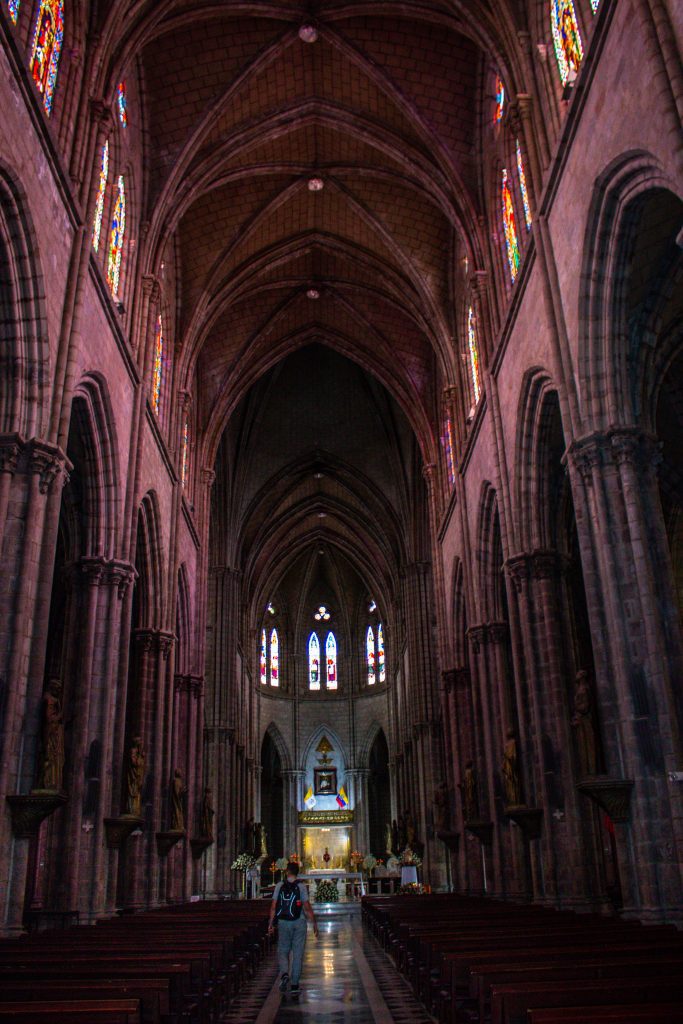
Basílica del Voto Nacional (inside), Quito, Ecuador
And this is how you climb to the top of the tower.
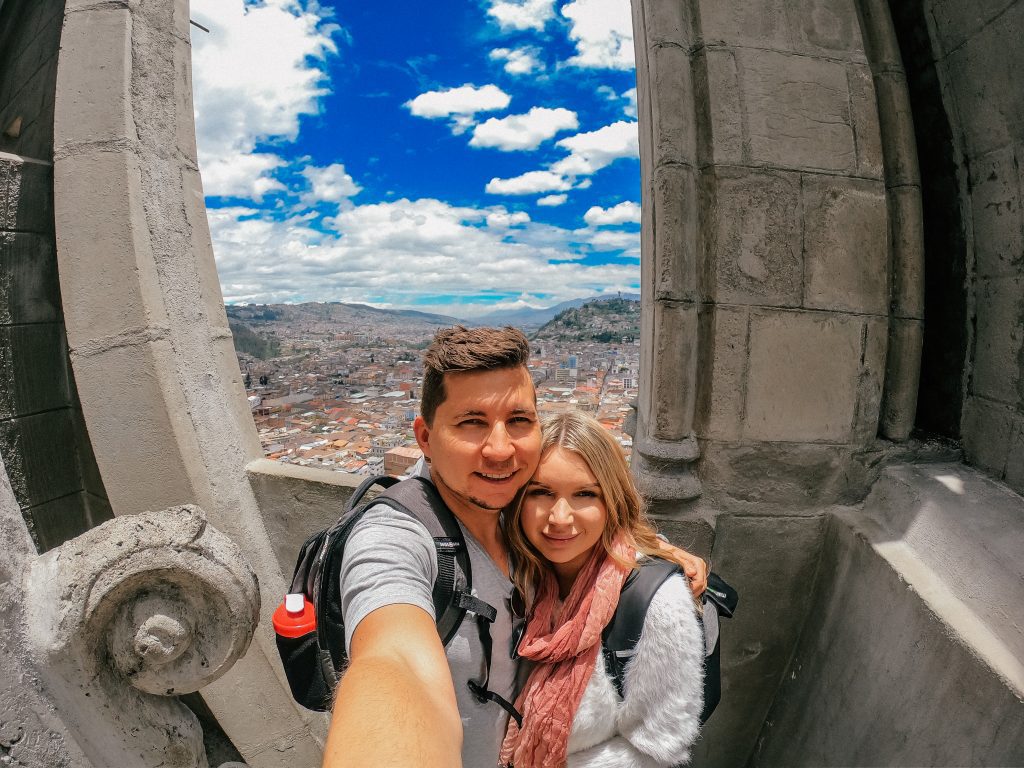
Basílica del Voto Nacional (top of the tower), Quito, Ecuador
There’s also a hidden gem in the form of a café, where we had our first breakfast with an incredible view.
Later, we tried a traditional Ecuadorian drink called Colada Morada (the ingredients are different fruits, spices, and corn flour) in the hidden bar.
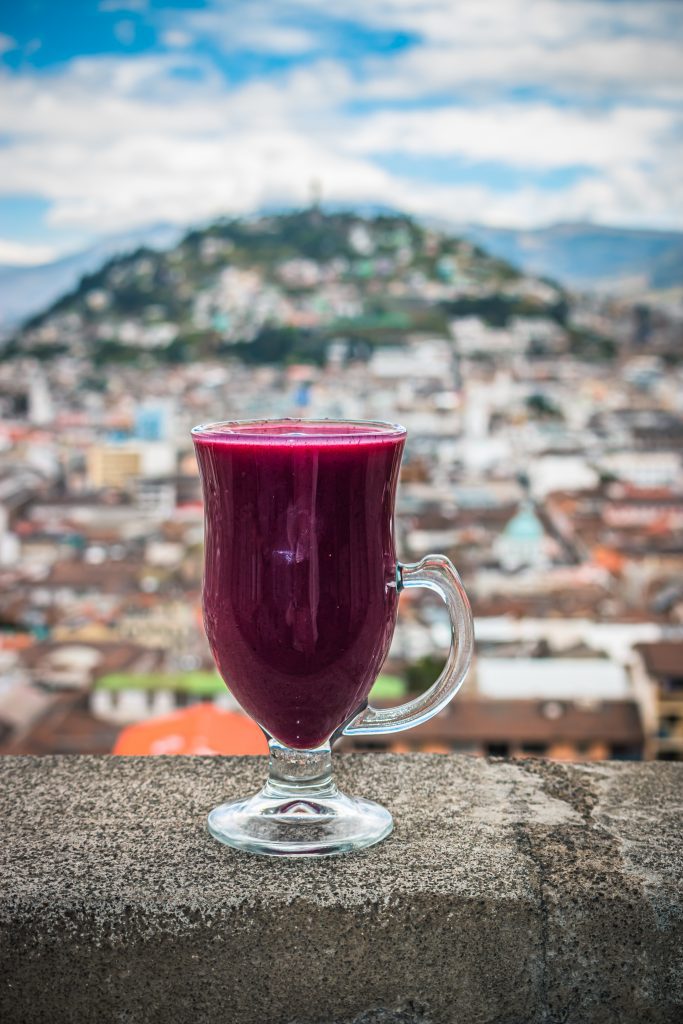
Colada morada (traditional Ecuadorian drink)
You can also climb to the most Instagrammable spot in the building, but we decided to skip that since there were so many people.
We were also tired of climbing, as Quito has a high elevation. It is located 2750 meters above sea level. Why is this important? Because many people have jetlag issues at such a high altitude. Some can’t sleep properly, while others experience headaches and nausea.
We asked our doctor for recommendations and she highly recommended ChlorOxygen, Chlorophyll Concentrate Softgels that help you to adjust at such an altitude.

We didn’t have any issues with headaches or sleeping so I can say it helped us, but that doesn’t mean you won’t feel the altitude. On the contrary, you will feel it every single time you go uphill –unless you’ve decided to travel to Ecuador straight after an Everest adventure.
The Basilica is located in Quito’s historic center, so we kept exploring this area and walking around the streets.
Historic Downtown in Quito, Ecuador
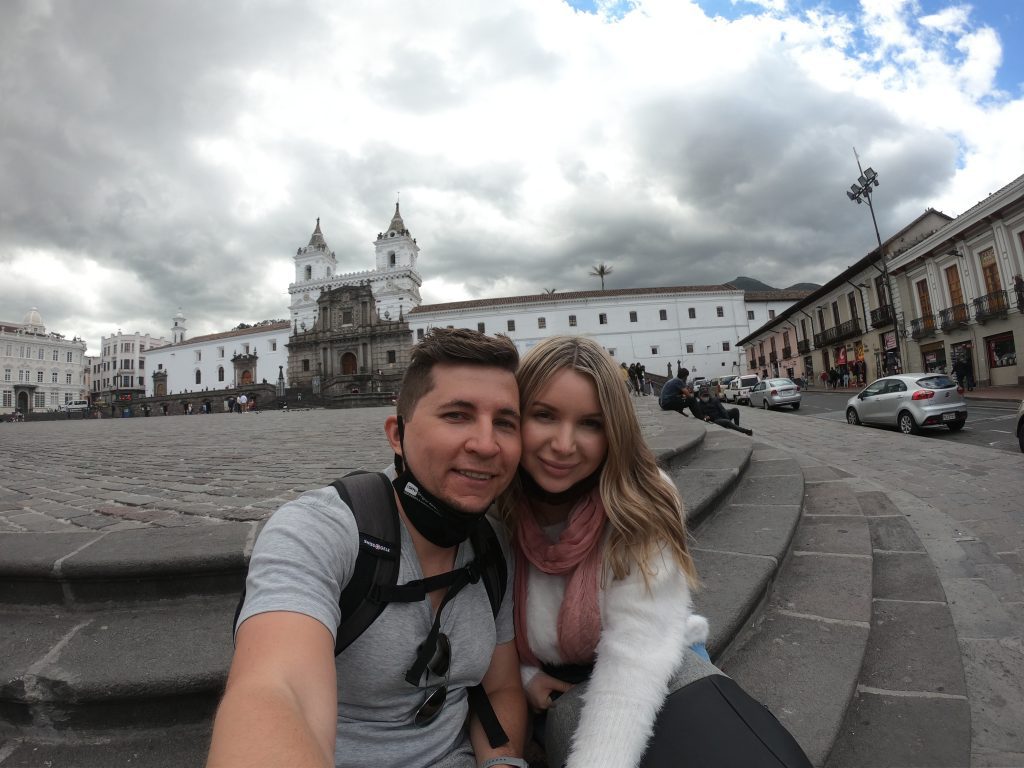
Exploring historic downtown in Quito Ecuador
Next, we went to explore a famous UNESCO World Heritage Site in Ecuador, the Quito Historic Center. We were on our own, but you can also book one of these free walking tours which were highly recommended by other travelers.
On our way to Quito’s old town, we saw mobile plans available near a pharmacy and decided to get local SIM cards.
The phone plans we got were from Movistar and came with unlimited calls and messages, plus 15GB of data. It cost 15 US dollars per person for a plan with an additional 4 dollars per person for a SIM card.
Ecuador is a Spanish-speaking country and I can’t say that many people understand English. For those worried about traveling to Ecuador with no knowledge of Spanish, like us, I can recommend two things:
- I studied some Spanish over the 45 days leading up to the trip, spending 1 hour per day on it via the “LingQ app”. I not only learned the basics but also picked up a lot of travel vocab, which was good enough to communicate during the trip.
- Sometimes, when my basic skills weren’t enough, I simply used an offline Spanish-English translator via Google or Apple. That worked surprisingly well!
After getting our SIM cards, we continued walking Quito’s old town and spent plenty of time enjoying the local architecture.
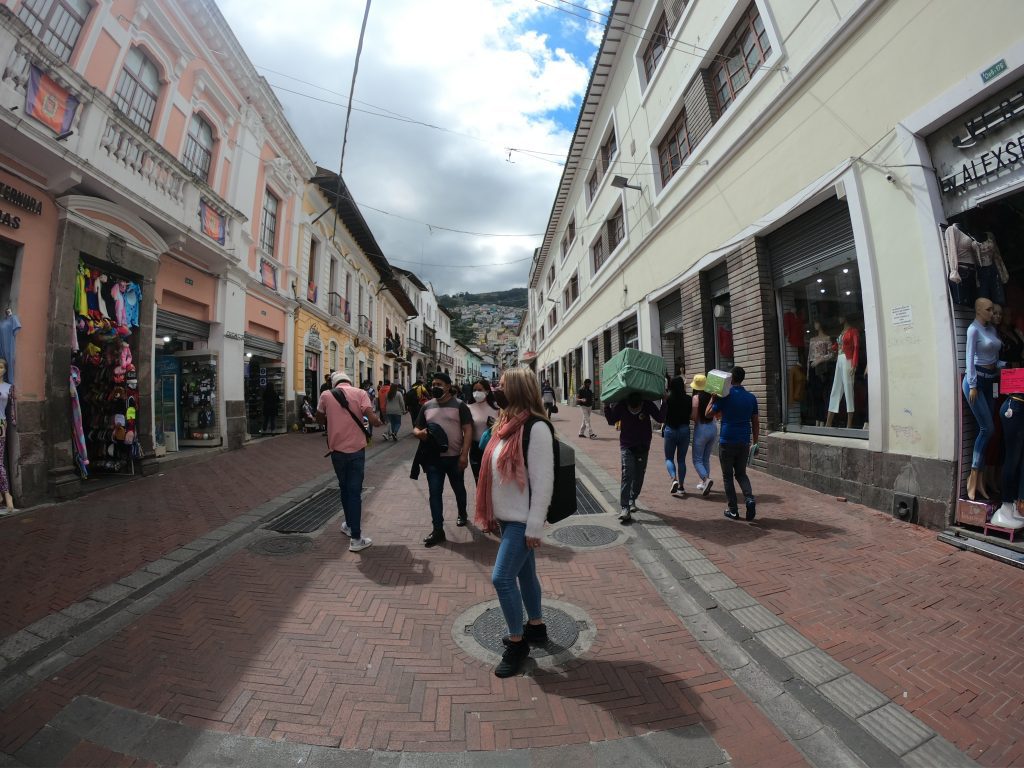
Quito’s Historic District, Ecuador
You’ll be sure to find plenty of churches and historical buildings.
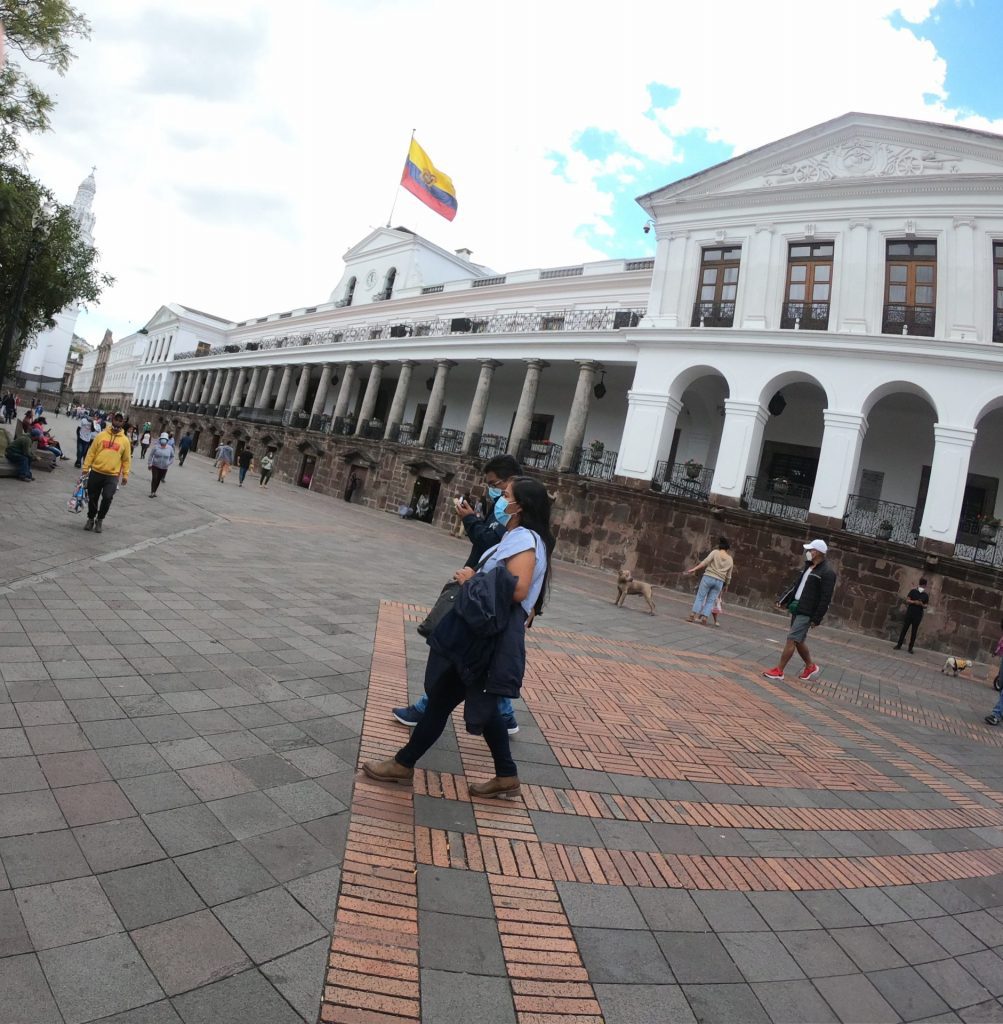
Quito’s Historic District, Ecuador
In the middle of the day, we felt tired, so we grabbed a quick lunch for takeout and decided to chill in our Airbnb rental.
Speaking of accommodation, we decided to stay in this Airbnb located in the historical center of the city. It looks really nice in the images, but it fits for category expectation/reality.
We paid only 160 US dollars for four nights. It looked great in the images and the description specified that the patio was part of the room. However, it turned out the patio was shared (they have since fixed the description) and the room was small, cold, and had uncomfortable beds. There was no heating and, on average, it was about 14 degrees Celsius or 53.6 Fahrenheit in the room, so we had to sleep in our clothes. Plus, because the building was extremely old, there were big gaps in the windows – which meant you could hear everything that was happening out in the street.
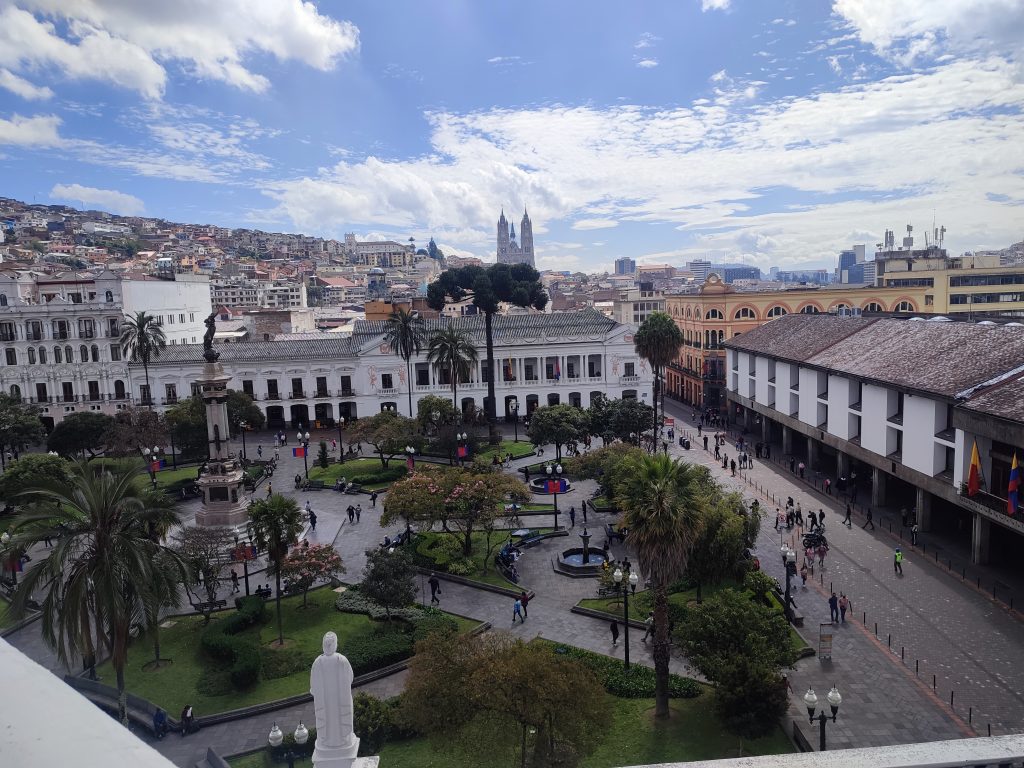
The historical center of Quito is a beautiful neighborhood during the daytime, when the streets are filled with people and there are plenty of police around. However, there is also a tremendous amount of poverty in the city, which translates into an unsafe environment at night where you can hear drunk people screaming, fighting, and breaking things.
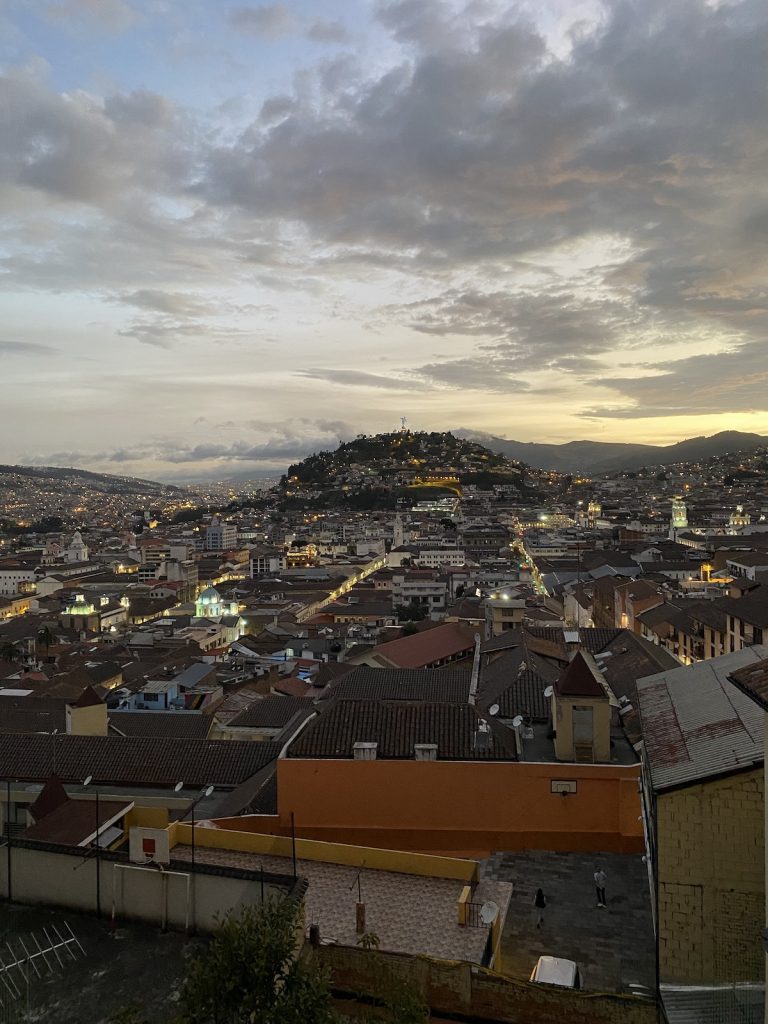
Instead, I would recommend staying in the area called “La Mariscal” or “La Carolina”. It has a wide variety of beautiful buildings, parks, hotels, and shopping malls around. I would also recommend staying in hotels instead of Airbnb. Since they all sit at around the same price point, hotels are the more sensible option due to their security and services.
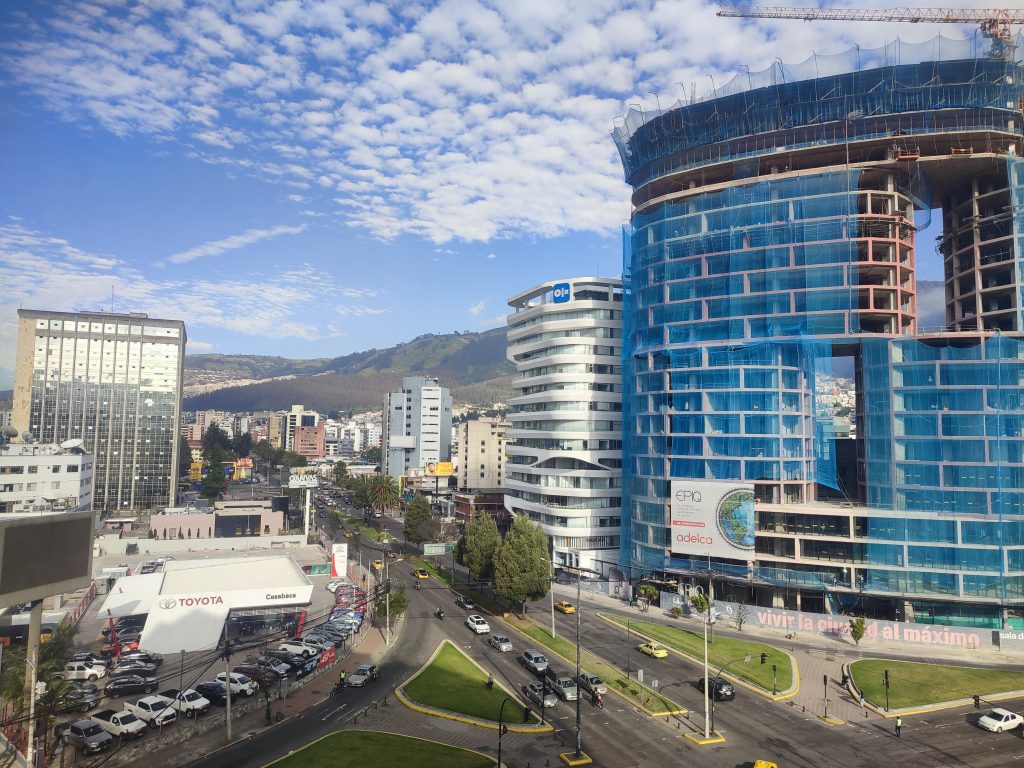
One of the best hotels to stay are Vista del Angel Hotel Boutique, La Casona de la Ronda Hotel Boutique, Hotel Casona 1914 and Casa Alquimia.
In the evening, we decided to go for a walk and find something for dinner. We stopped by a popular place in the historic town, “Diosolopay,” and had an amazing dinner trying Ecuadorian food and listening to live music. We ordered three entrees for 28 US dollars (which is considered expensive for Ecuador) and it ended up being so much that we had our leftovers for lunch the next day. The food was incredibly delicious and I would highly recommend visiting this restaurant in Quito.
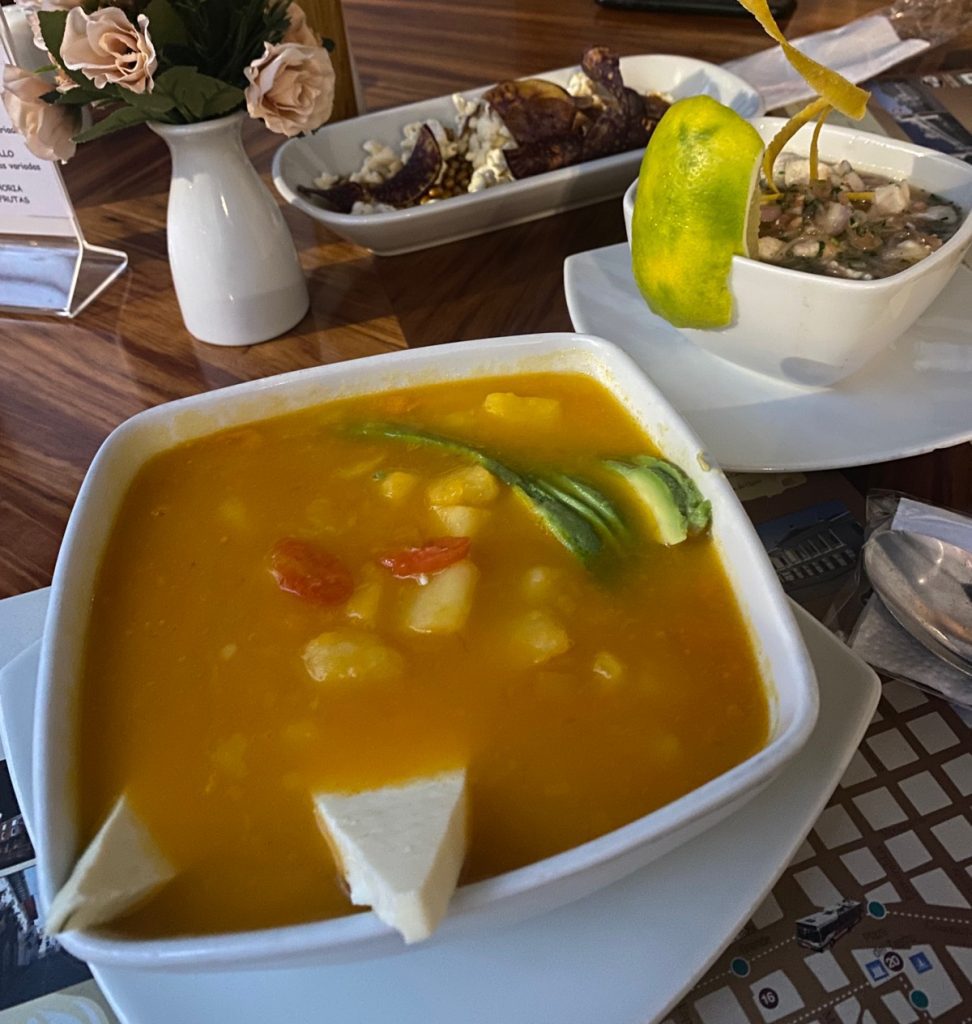
Locro de Papa
Fish Ceviche
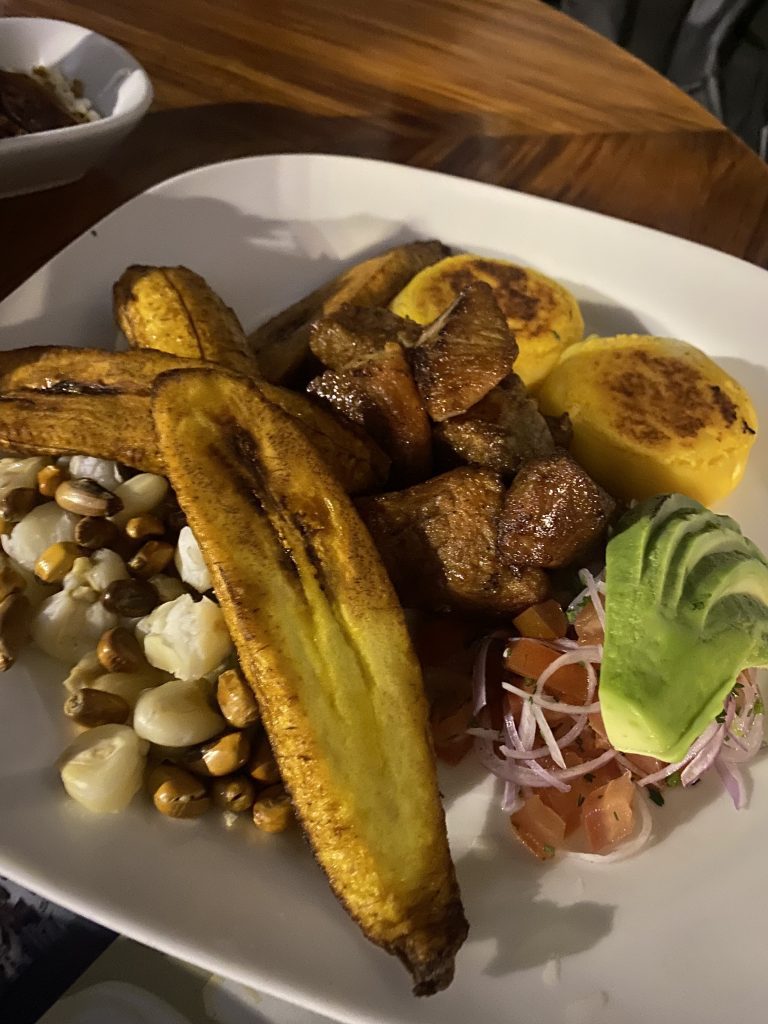
Fritada Criolla
Day 2: Middle of the Earth, Pululahua Geobotanical Reserve, Museo Templo del Sol Pintor Ortega Maila
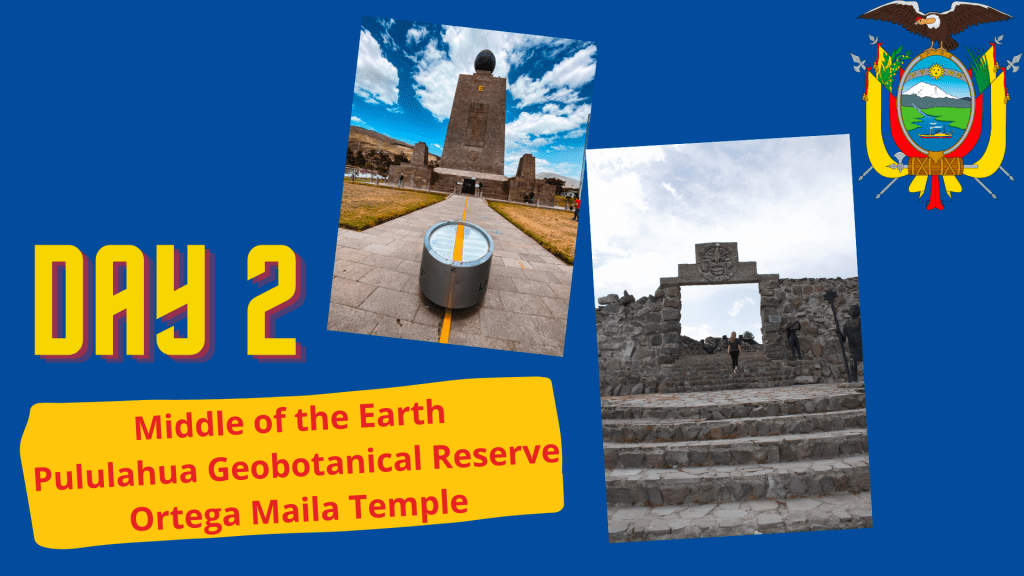
We took a 40-minute Uber ride, which cost us only 10 dollars, to the most popular tourist attraction in Ecuador: “Ciudad Mitad del Mundo” or Middle of the Earth. Once again, you can explore it on your own or get a free walking tour.
“Ciudad Mitad del Mundo” or Middle of the Earth
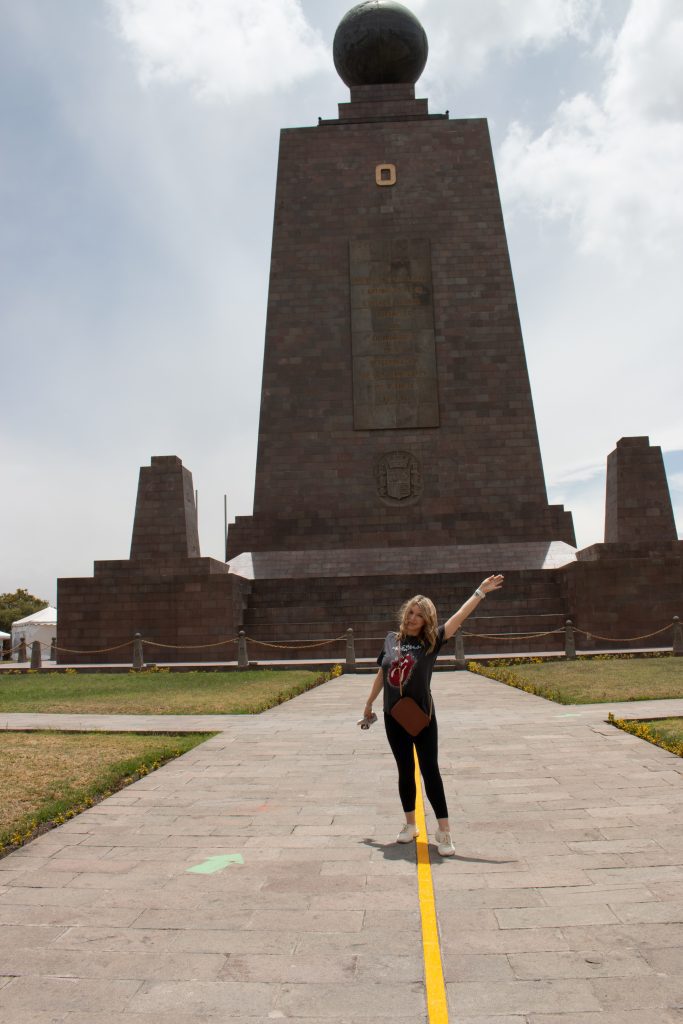
This is one of the most popular things to see in Ecuador where you can actually stand on the line of the equator. Well, technically you’re not, but it’s pretty close.
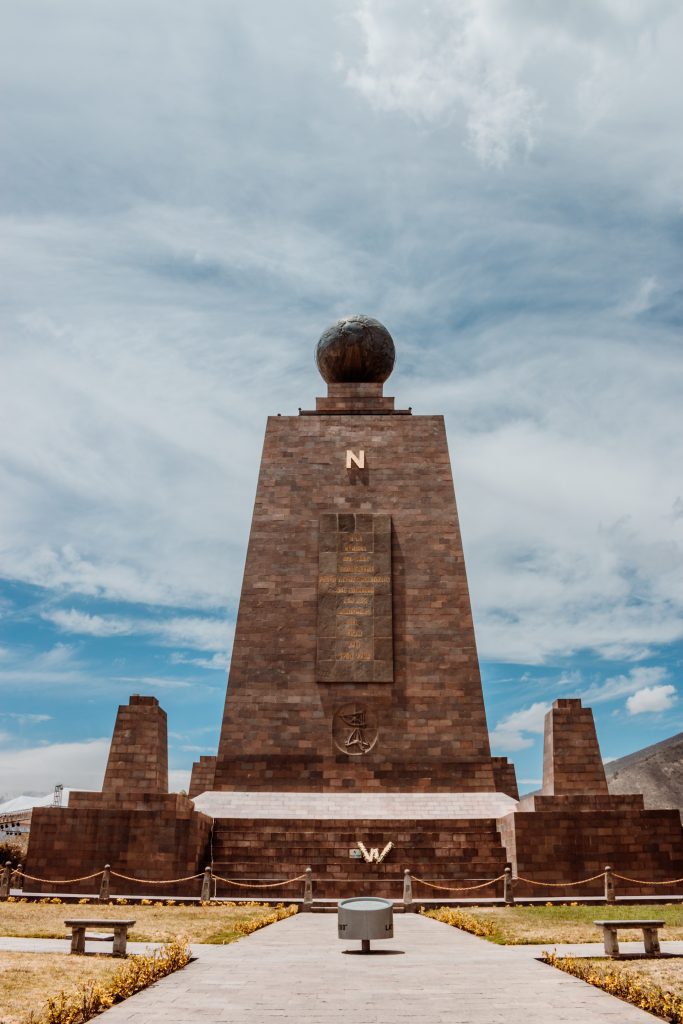
“Middle of the Earth”, Quito, Ecuador
I didn’t expect much from this place as I thought it was going to be a typical tourist trap.
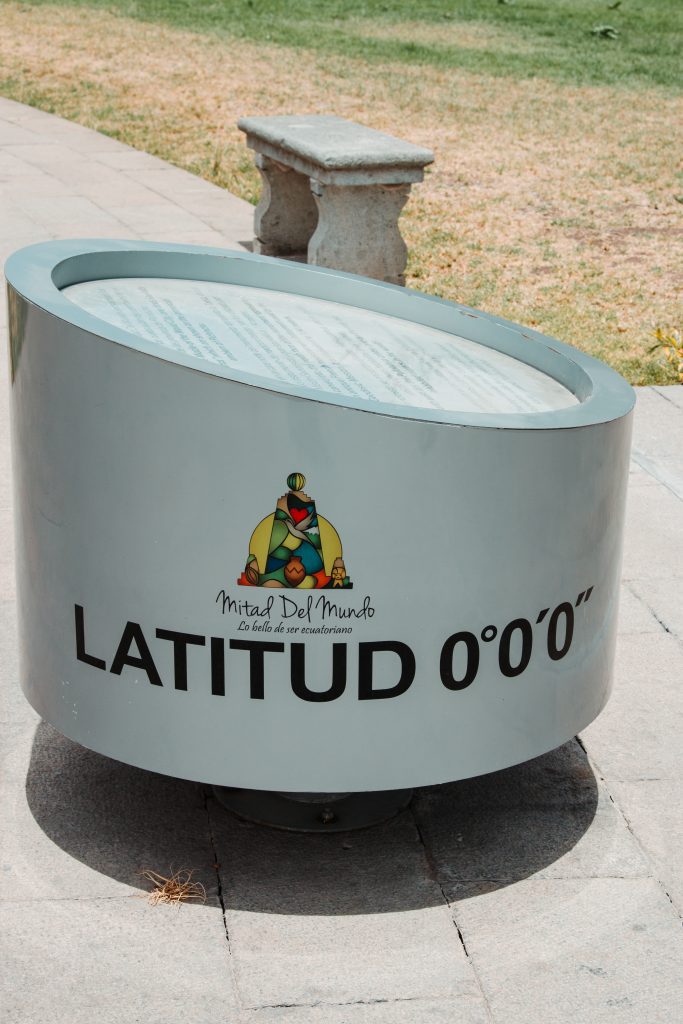
However, it exceeded my expectations. There’s a lot more to check out here in addition to taking a classic photo standing on the equator.
For once, you can reach the top of the building while learning some of Ecuador’s history.
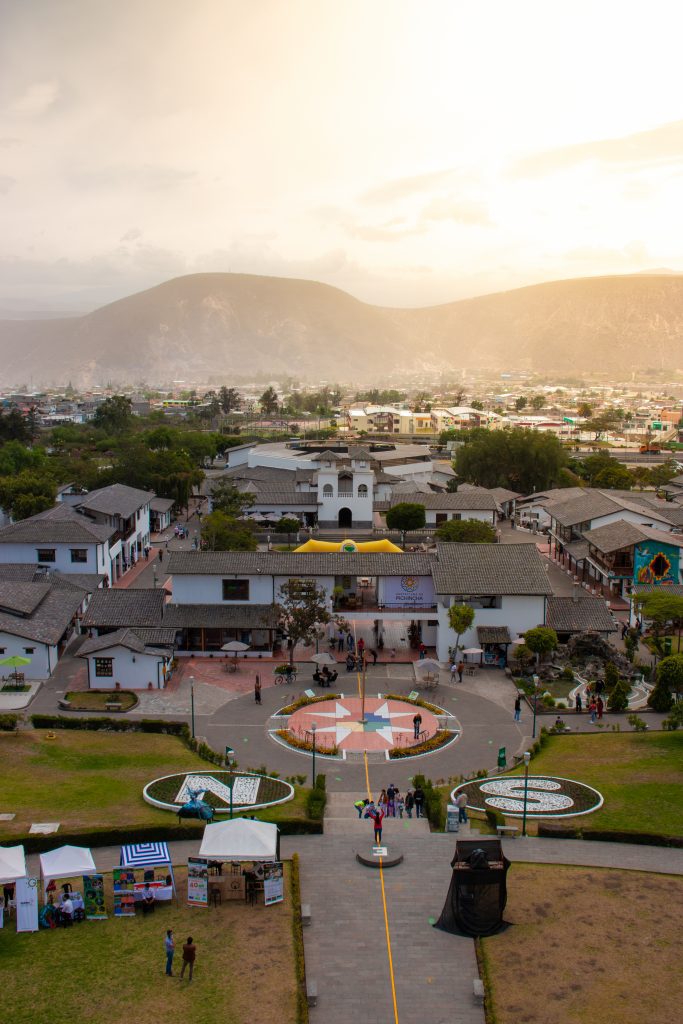
Middle of the Earth from the top, Quito, Ecuador
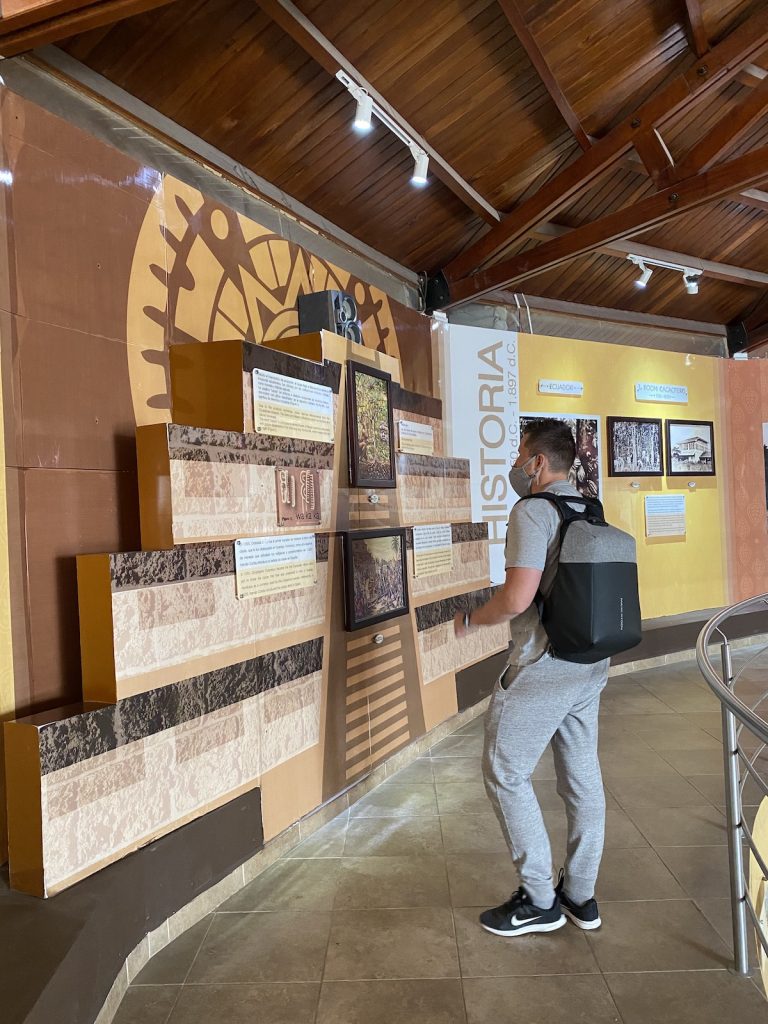
To be honest, it’s more of a historical park about Ecuadorian history and culture than anything else, but it was extremely interesting.
Museum Part of “Middle Of the Earth”
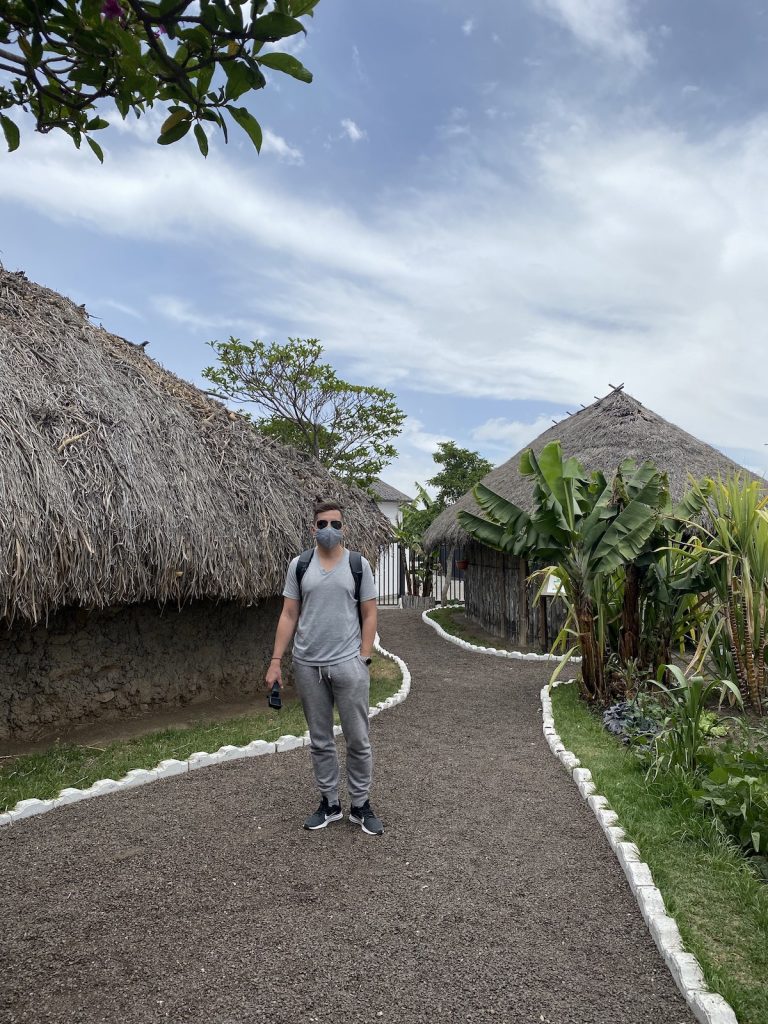
There are Cacao Square, a planetarium, and ancestral homes that shows different parts of Ecuador.
We also had an amazing breakfast while watching a local performance.
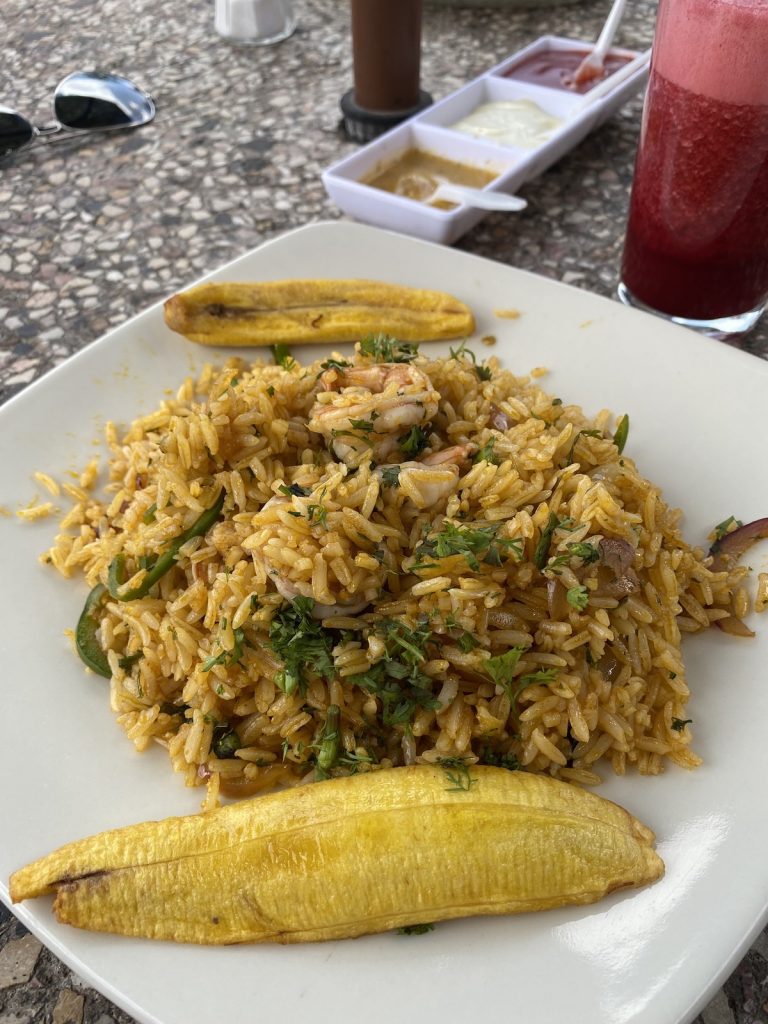
Arroz con comaron
Reserva Geobotánica Pululahua
After that, we headed to Reserva Geobotánica Pululahua, which is quite a unique place. It’s a beautiful geo-botanical reserve where you could witness how people live in the crater of an inactive volcano, looking down from the top.
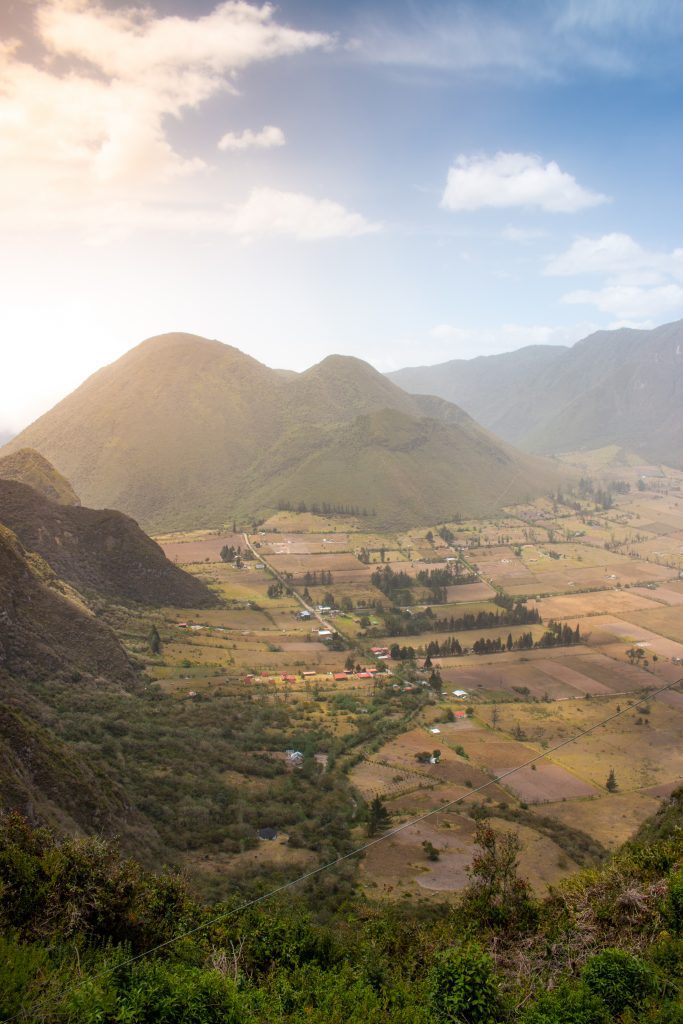
Reserva Geobotánica Pululahua
Entry is free but an ID is required to get in. You can also go for a hike (or take a horse) from the top to explore the area. However we decided not to as, instead, we headed on to the next place which was only 2 minutes away by walking.
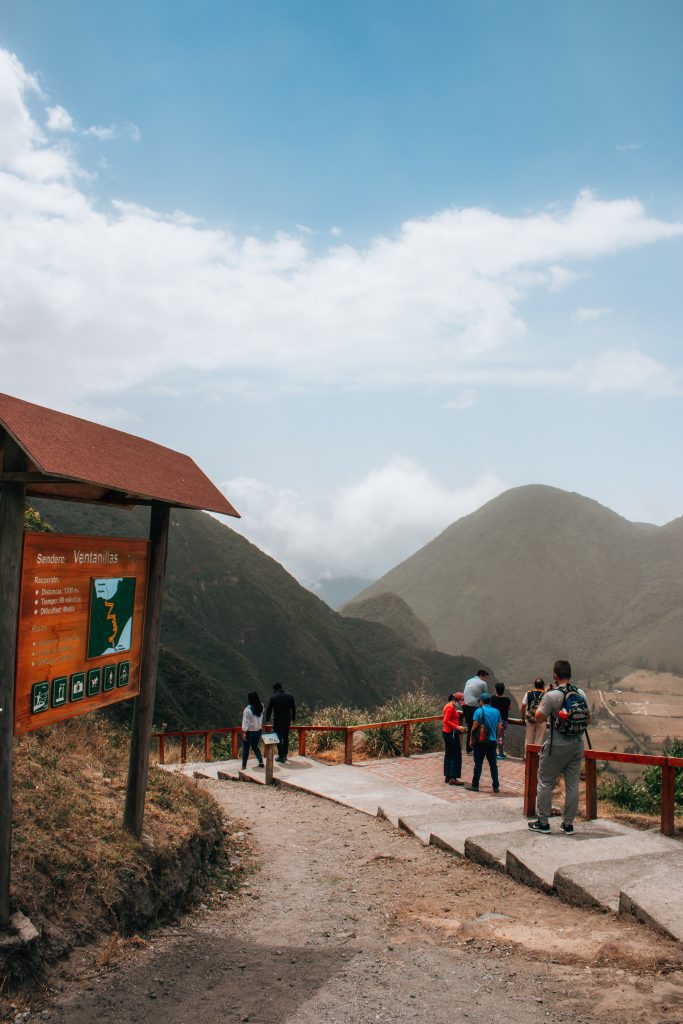
Reserva Geobotánica Pululahua
Museum temple of the sun painter Ortega Maila
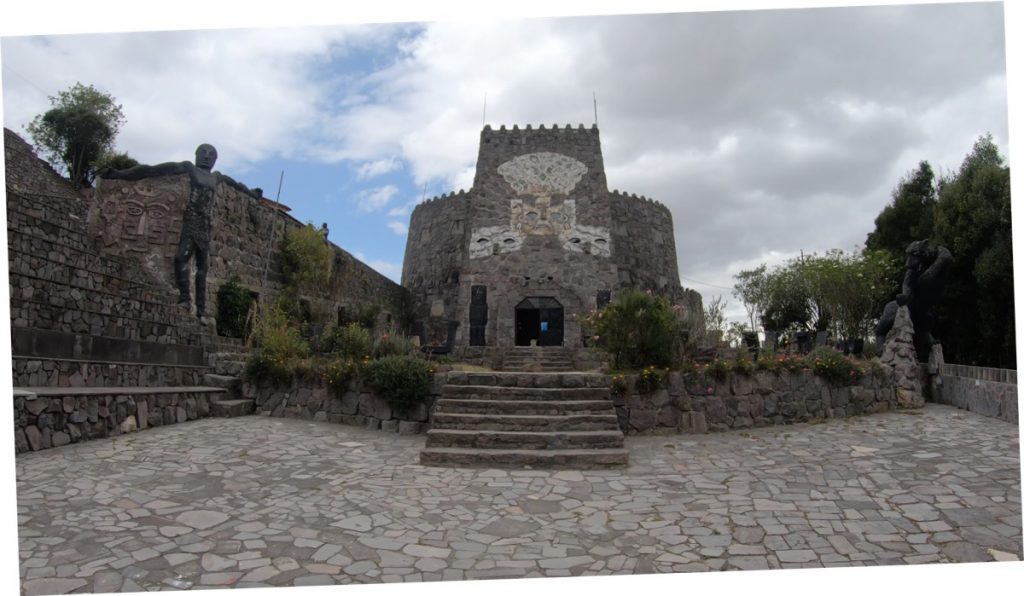
This was the museum temple of the sun painter Ortega Maila. This place is an absolute paradise for anyone who loves architecture, art, culture, and history.
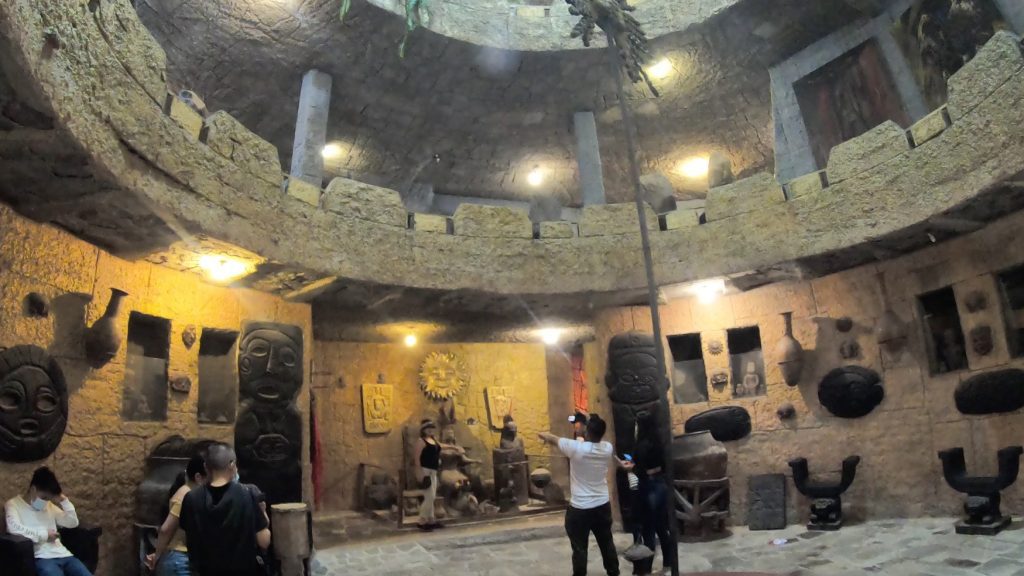
It was constructed by the indigenous Ecuadorian painter and sculptor Ortega Maila. He researched all the designs and the ancestral architecture to maintain the culture of Ecuador, resulting in a temple that is gorgeous from both the inside and outside. You can get a self-tour for 5 dollars or even ask for a guide for an additional cost.
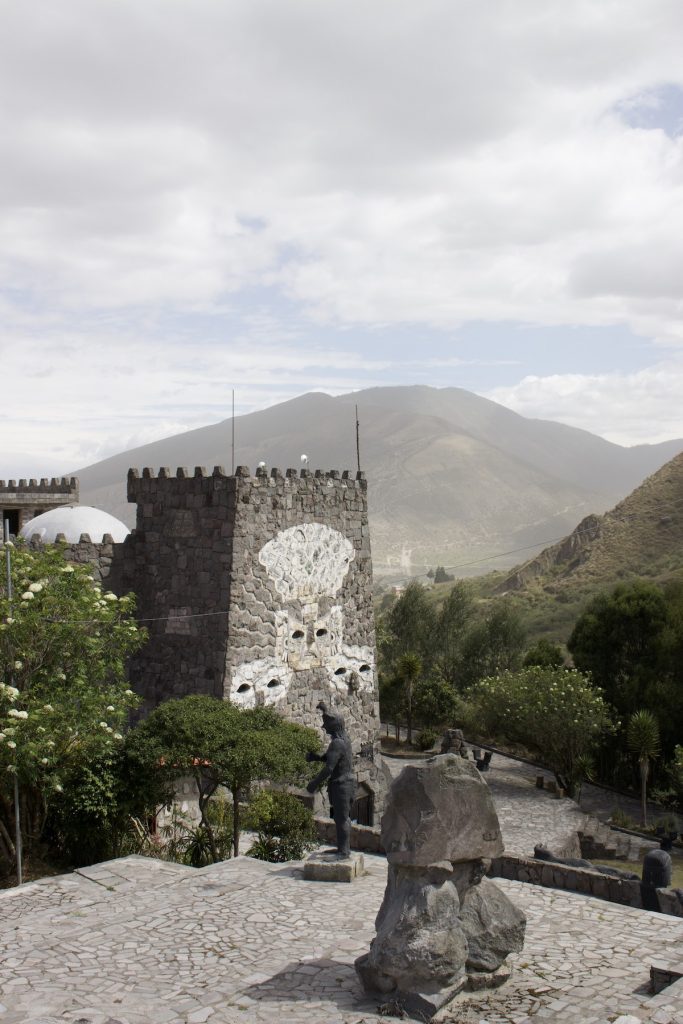
Museo Templo del Sol Pintor Cristobal Ortega Maila (outside)
The temple has three floors to capture paintings and cultural objects. At the top, you’ll find another stunning view of the inactive volcano.
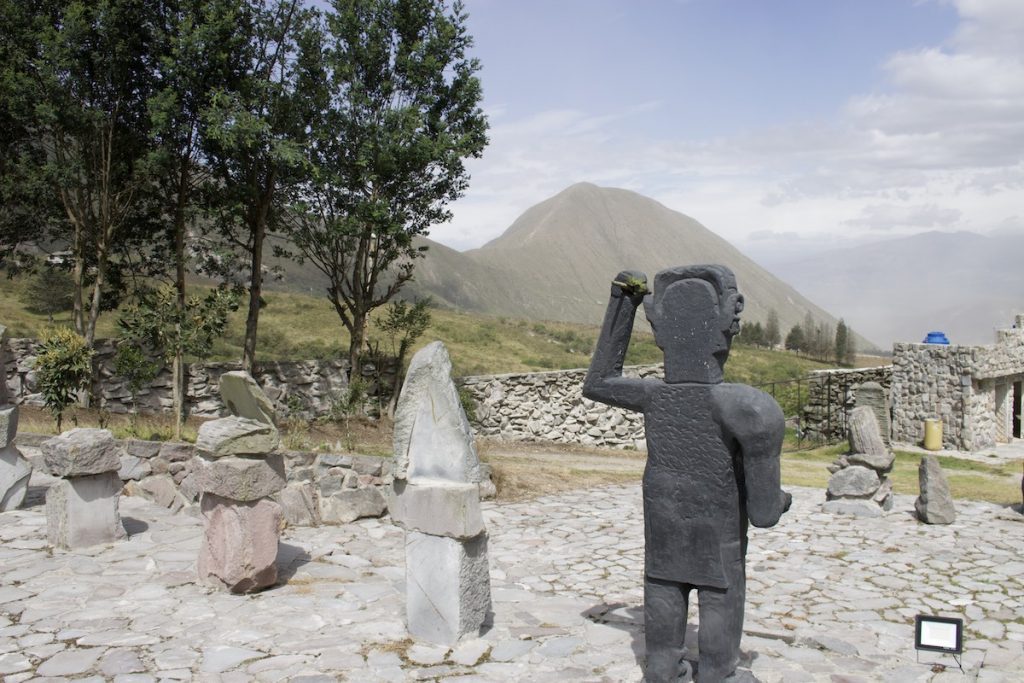
Museo Templo del Sol Pintor Cristobal Ortega Maila
Parque La Carolina
At the end of the day, we went to the popular local park named Parque La Carolina in the downtown area.
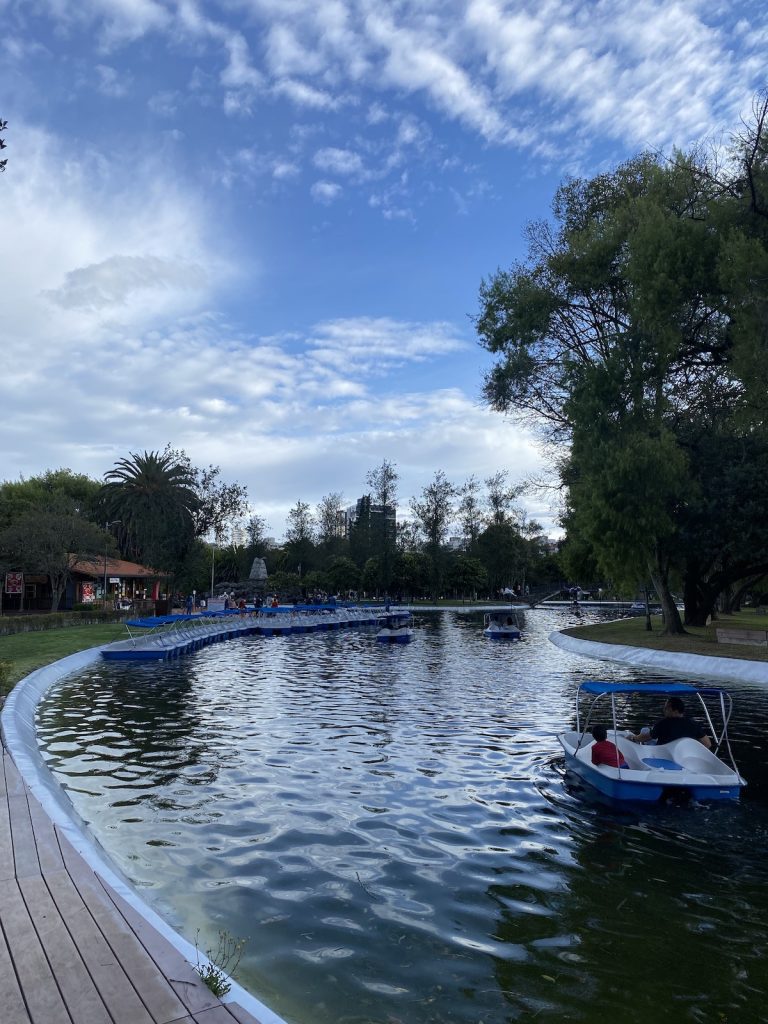
Parque la Carolina in Quito, Ecuador
We walked around, saw local life in the area, and tried out some street food. We shared this traditional Ecuadorian dish for dinner called Motte con chicharron (mote, cilantro, onion, tomato, fried pork belly and chili). The portion was particularly generous and the cost came in at just 2 US dollars. It’s likely the best 2-dollar dinner I’ll have in my life.
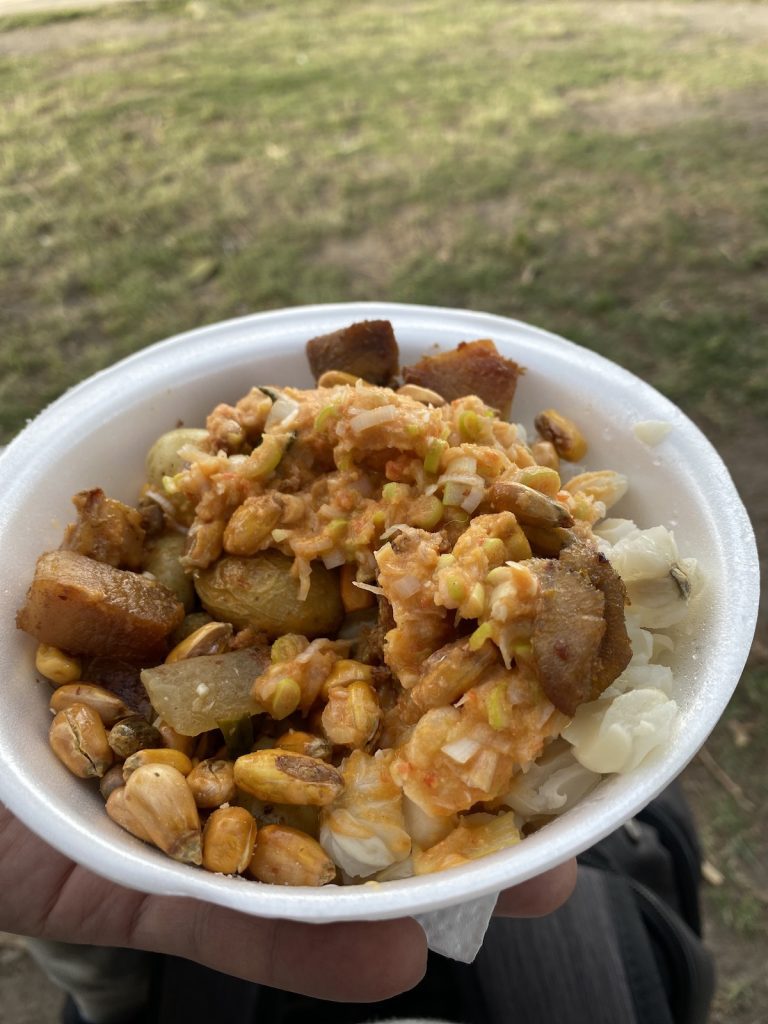
Motte con chicharron
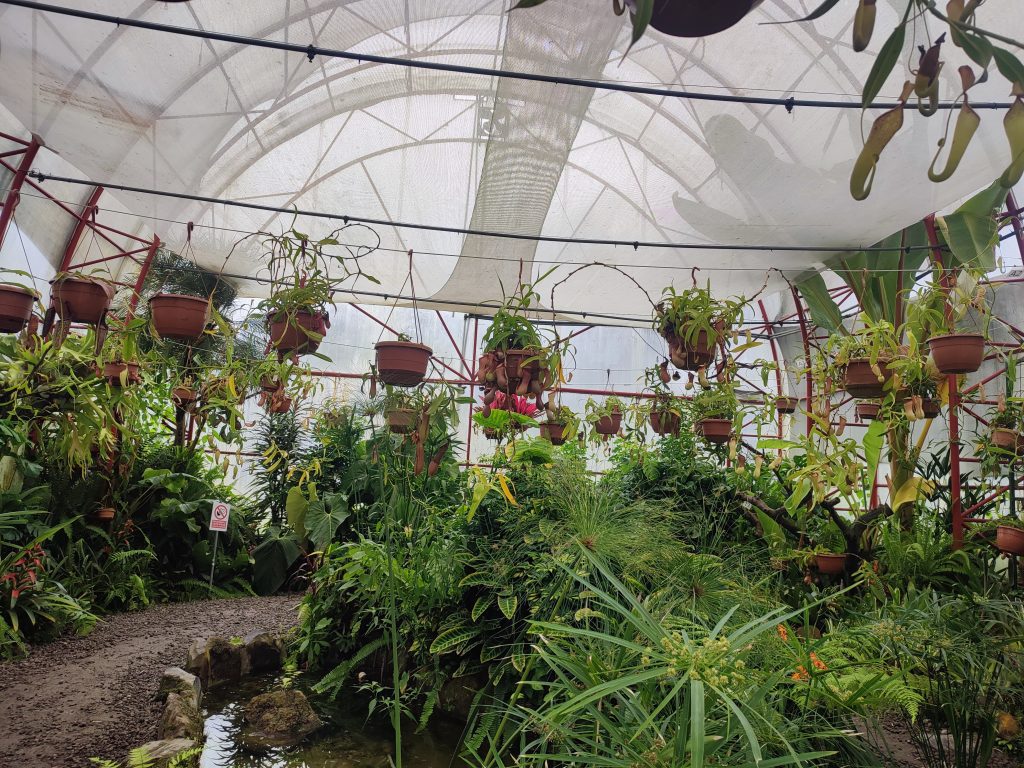
There are more things in the park to explore, e.g. botanical garden:
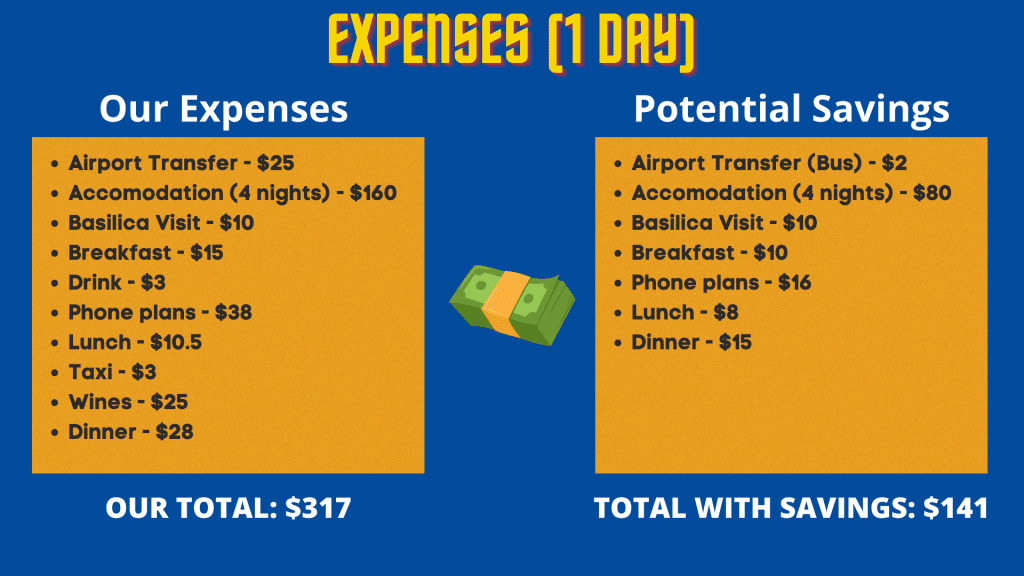
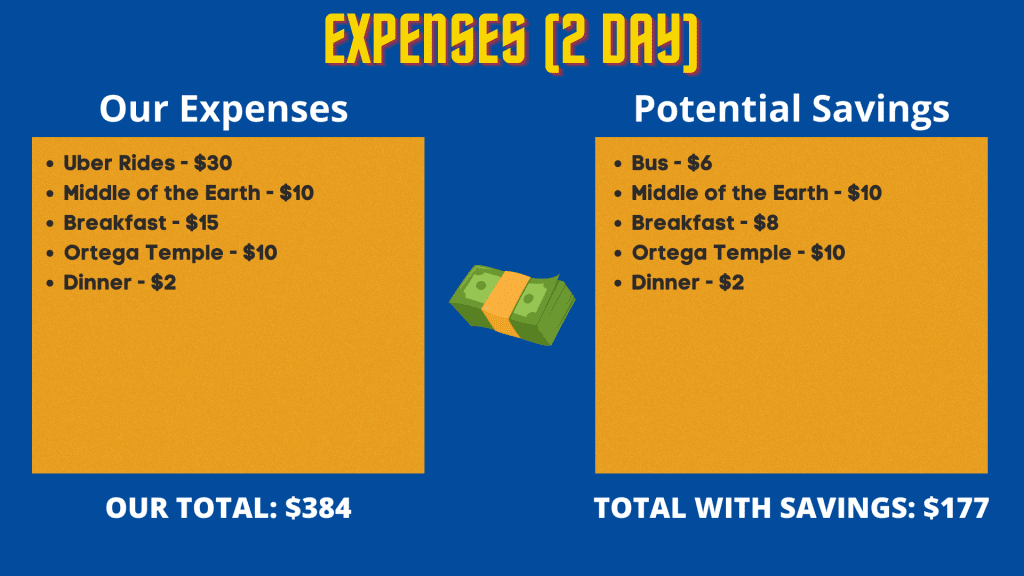
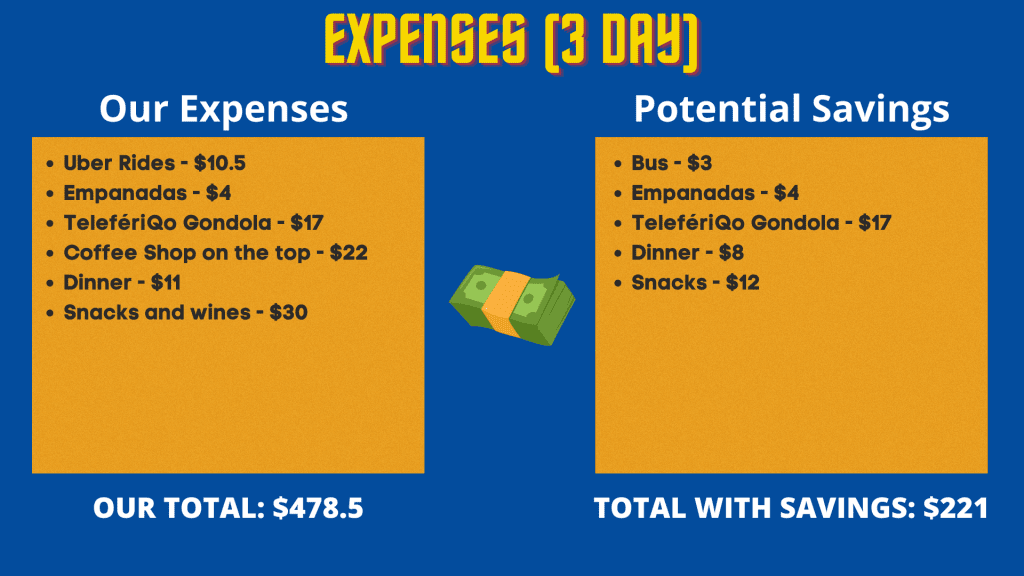
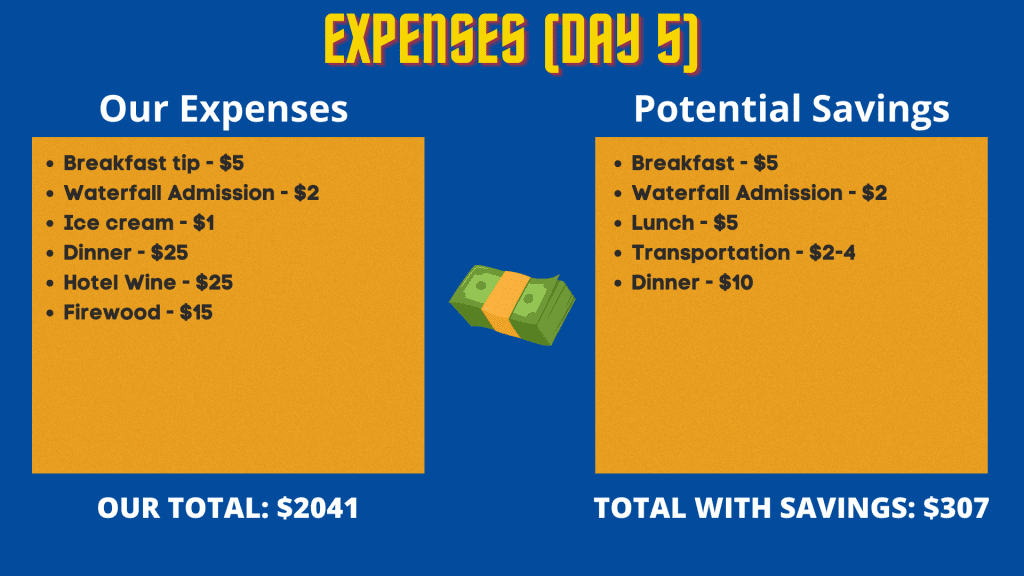
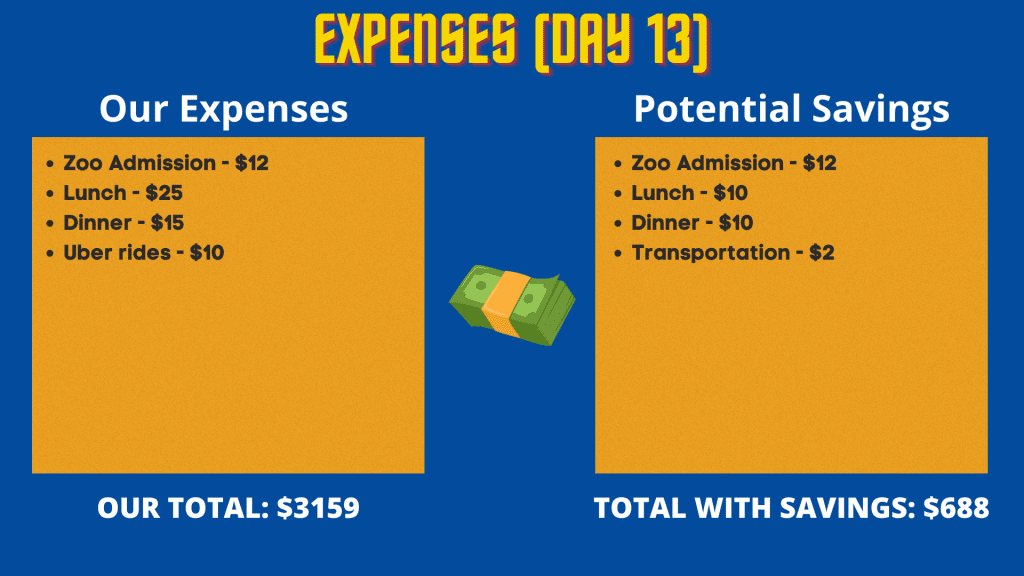
Expenses:
Day 3: TelefériQo Cable car
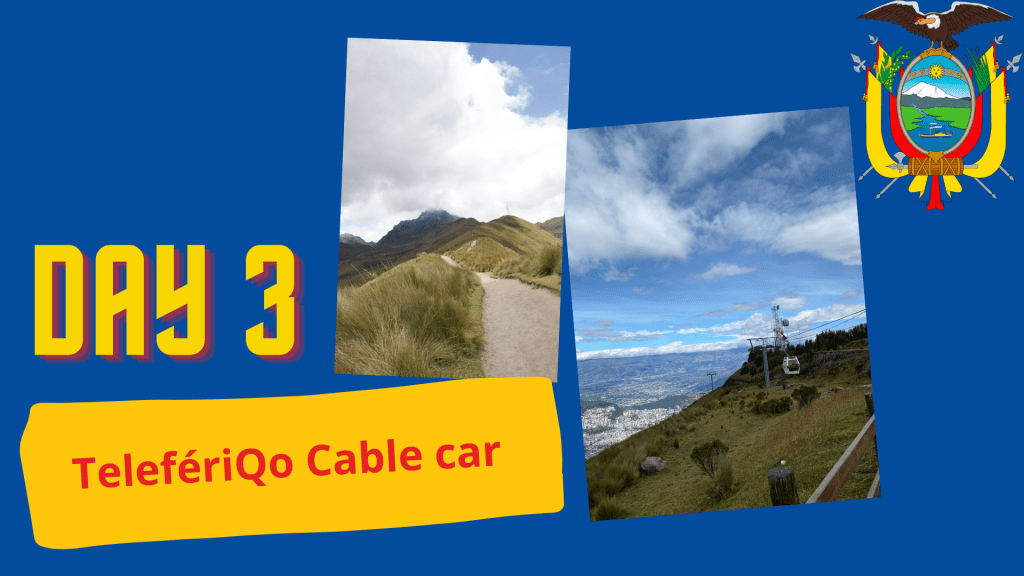
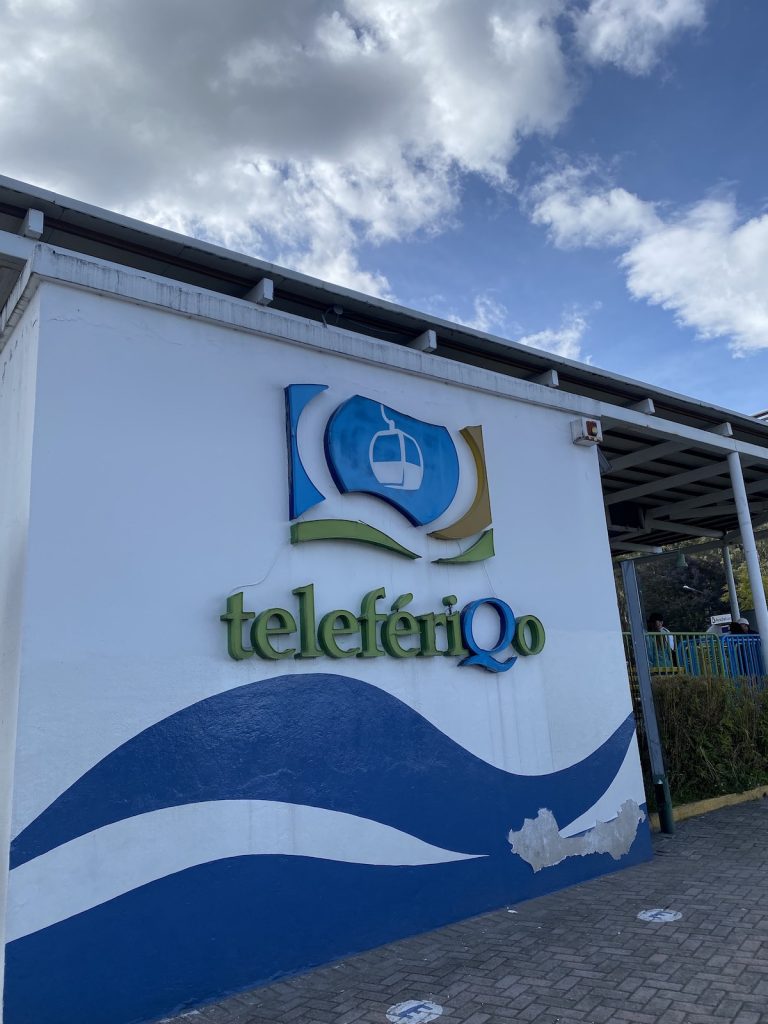
On the third day, we went to another popular thing to do in the capital of Ecuador called TelefériQo cable car.
TelefériQo Cable car
This is a gondola lift that takes you all the way up to 3,945 meters (or 12,943 feet) above sea-level, so I highly recommend going only after you’ve already spent a few days in Quito and are adjusted to high altitudes.
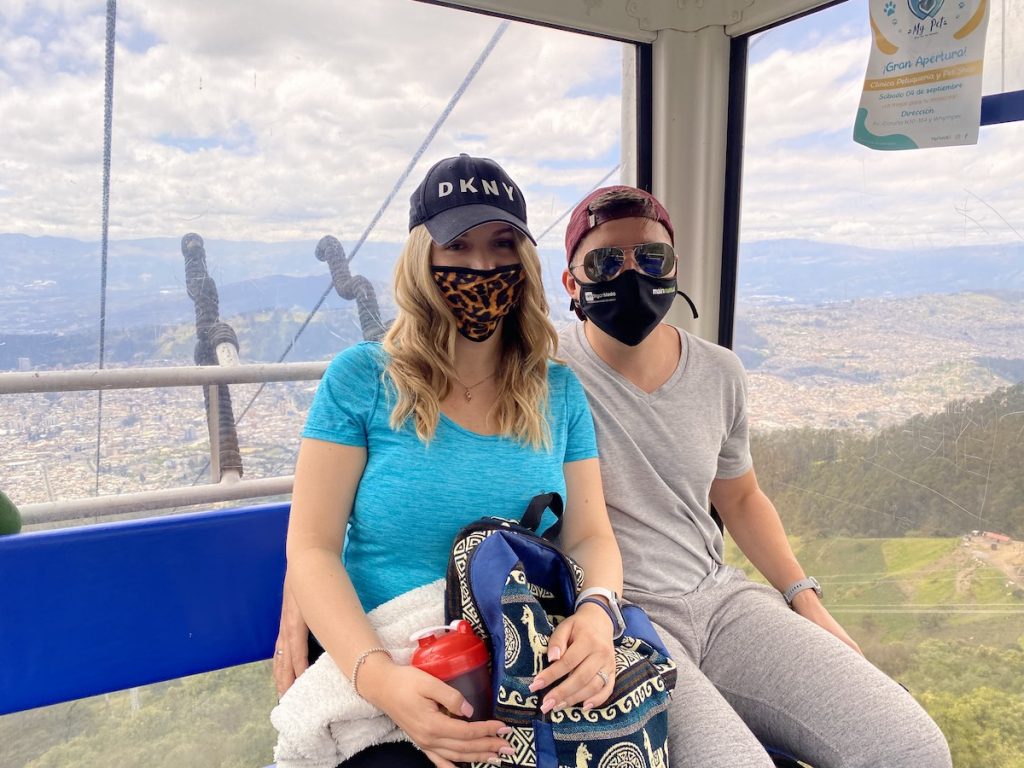
TelefériQo Cable car
The entry fee for tourists is 8.50 US dollars per person. We skipped breakfast because we wanted to get there as early as possible.
This meant that the line was still huge but mostly local.
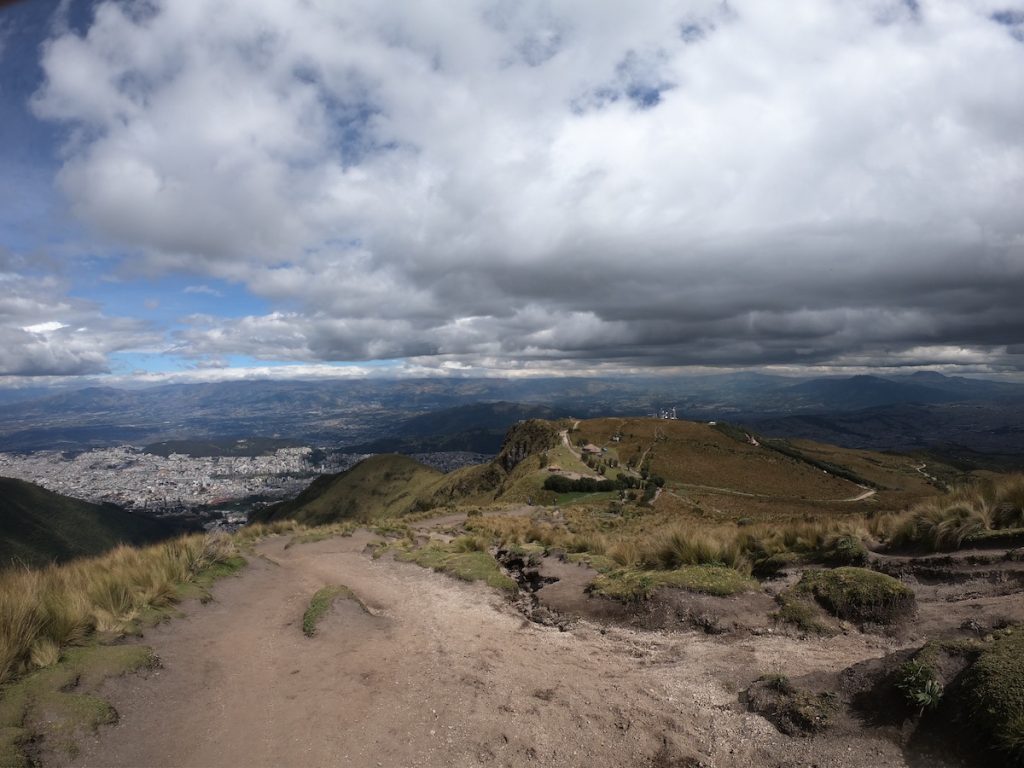
However, I should note that it was Sunday, so perhaps try going during the week for a better experience. We bought empanadas near the gondola and finished them while waiting in the line.
Once at 3,945 meters, you can enjoy the views and drink a coffee or hot chocolate from this coffee place.
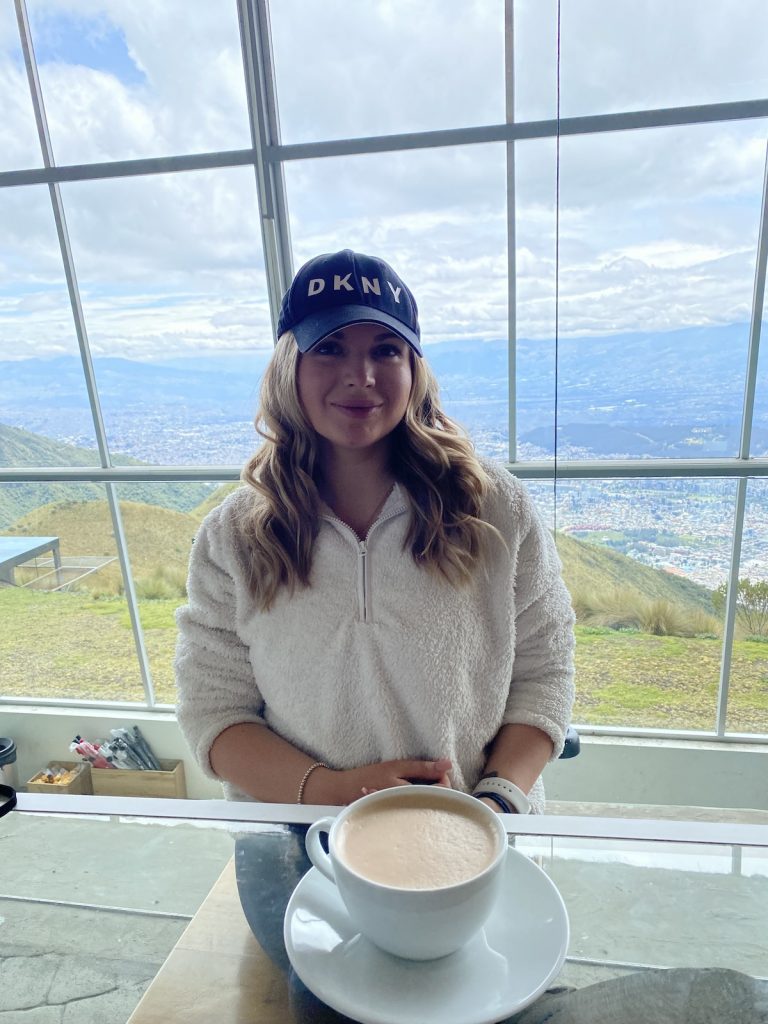
Coffee shop at the top of TelerefiQo
There are also a bunch of activities you can do on the top: hiking, biking, horse riding, and so on. You can also just take photos from the top with llamas and alpacas.
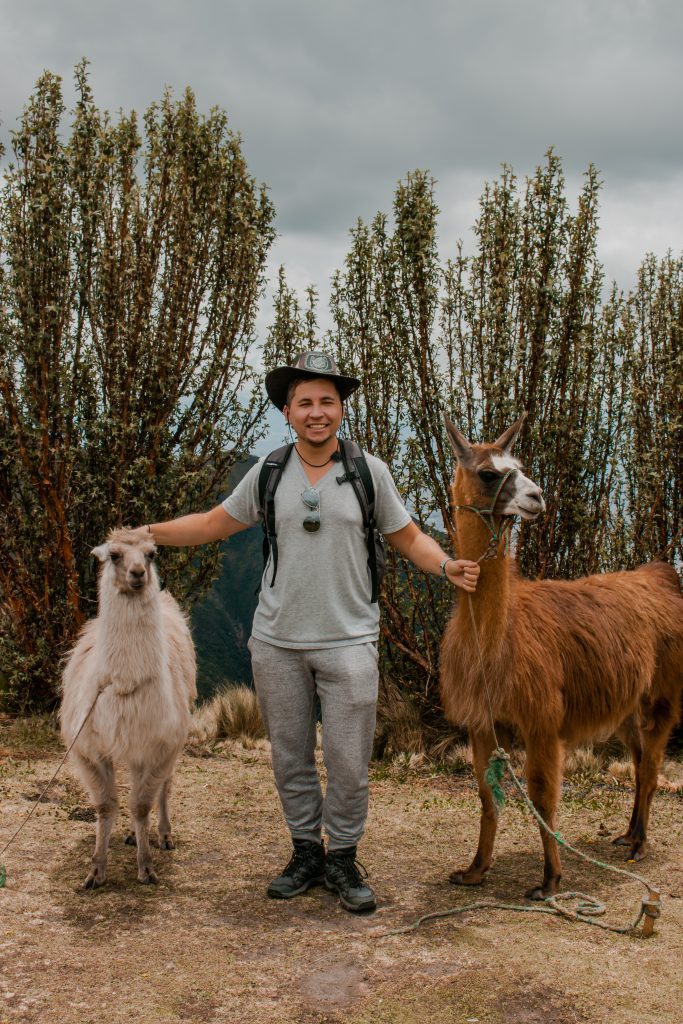
Or, for the more adventurous types, join the many people visiting the summit of Pichincha, an active stratovolcano.
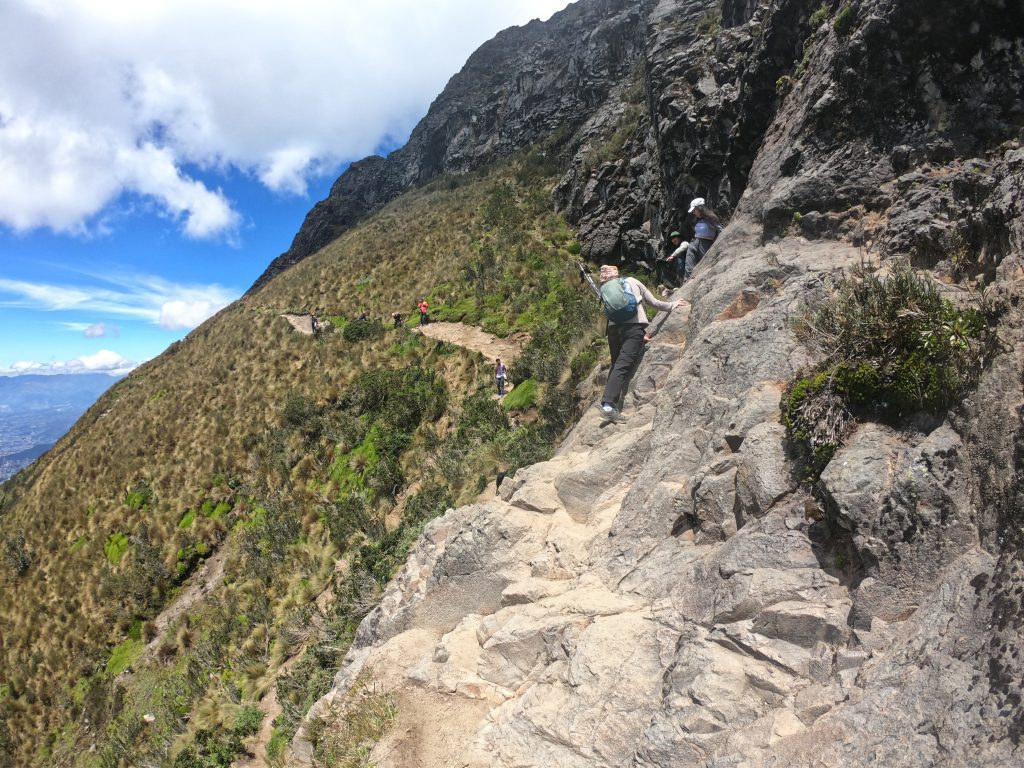
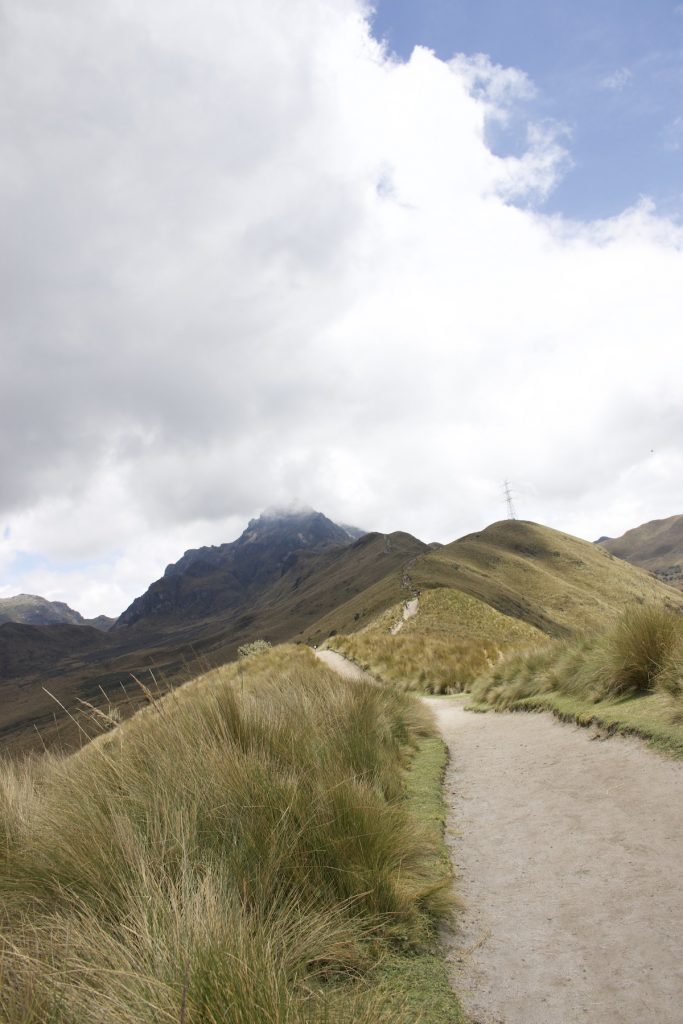
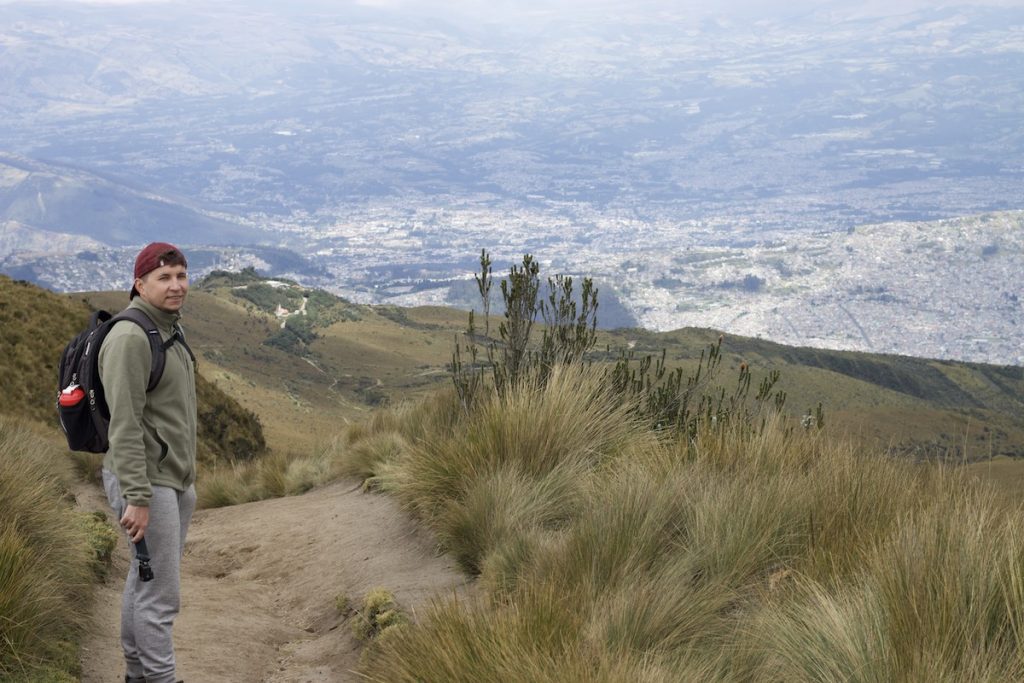
The views are pretty much similar to the views from the “bottom,” but we decided to give it a go and hike from 3,945 meters (or 12,943 feet) to 4,700 meters (or 15,413 feet).
Hiking to Pichincha
It might seem like a small change in elevation but it was extremely exhausting because of the high altitude. If you’ve ever wanted to experience altitude sickness in safe conditions, this is the place to start. We were climbing very, very slowly because we needed to take deep breaths and have constant breaks every 5-10 steps.
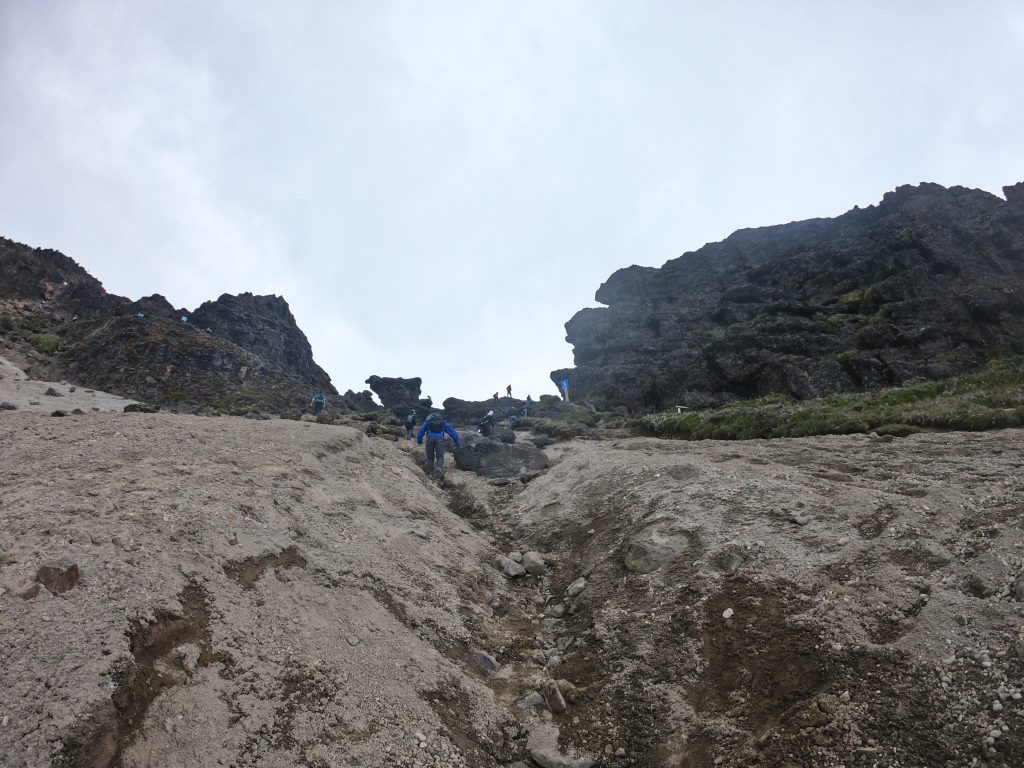
On the way, we saw a few people who had almost fainted on the way down and felt quite bad, so don’t cross your limits trying to reach the summit of the volcano! If you start feeling a headache, dizziness, or nausea and if you aren’t experienced hiking at such altitudes, you’re better off turning back.
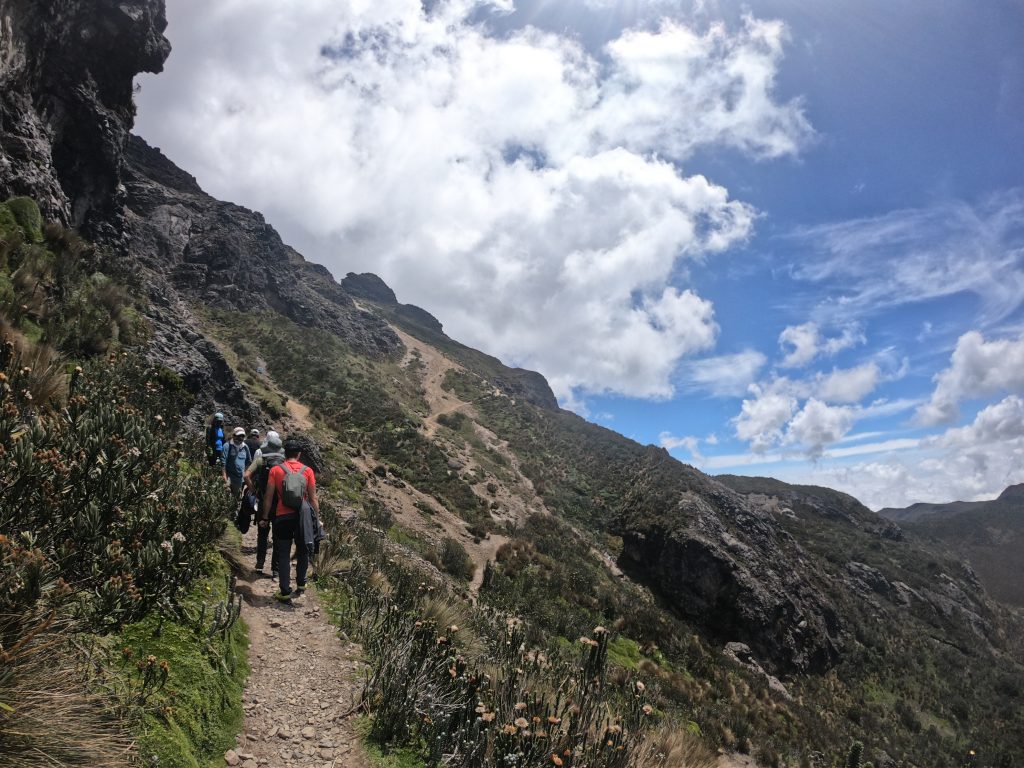
We started feeling bad 2.5 hours into the journey (we were at 4,500 meters, just a couple of hundred of meters short) and decided to go back.
When we returned to the coffee shop, the headache really kicked in and we started feeling bad. We had two hot chocolates, a tamale, and a slice of cheesecake, but it was hard to enjoy anything. After an hour of recovery, we started feeling better and took the gondola back down.
We wanted to see more places in the area but felt so exhausted that we headed back to our condo.
In the evening, we needed to do a little shopping because we intended to rent a car the next day. We went to Quitocentro, which is a nice mall, and had dinner in the food court. We stopped by a kiosk that we thought served local food but which turned out to be Chinese cuisine. Yup, we were that tired.
Day 4 (renting a car, driving tips, driving to Otavalo and visiting Otavalo market)
On the fourth day, we checked out of the condo and headed to pick up the car. When renting a car in Ecuador, you have a few options, like Alamo, Avis, Budget Car, Enterprise, and Europcar. You can also try local companies if you’re confident in your Spanish skills. In our case, we needed to pick the car up from Quito and drop it off in Guayaquil, 7 hours away. It was only these big names that offered such an option.

When comparing prices, you’ll see that manual transmission cars are way cheaper than automatic ones, while SUVs are way more expensive than basic sedans. It’s mandatory to buy insurance from the Ecuadorian companies even if you have third party coverage and make sure you pay attention to the number of KMs included. For example, Europcar provided me with the best quote for 11 days, which was an automatic SUV for 982 US dollars. However, they only included 100 kilometers (62 miles) per day. Every additional kilometer would cost 95 cents. The next cheapest option was Budget Car for 1142 dollars with 1500kms included and 50 cents per additional kilometer. Finally, Enterprise cost 1288 dollars with unlimited kilometers. We picked Enterprise and never regretted it – our trip mileage came in at over 2200 kilometers!
Cotopaxi Volcano view and the car we rented
I can highly recommend the Enterprise office in Quito Downtown (not the airport). Everything went smoothly and they were extremely helpful. We had an issue with my bank and they called Canada at their own expense to figure this out, allowing me to talk to my bank, which was great customer service. Due to these issues, the pickup process took about 2 hours before I got on the roads of Ecuador.
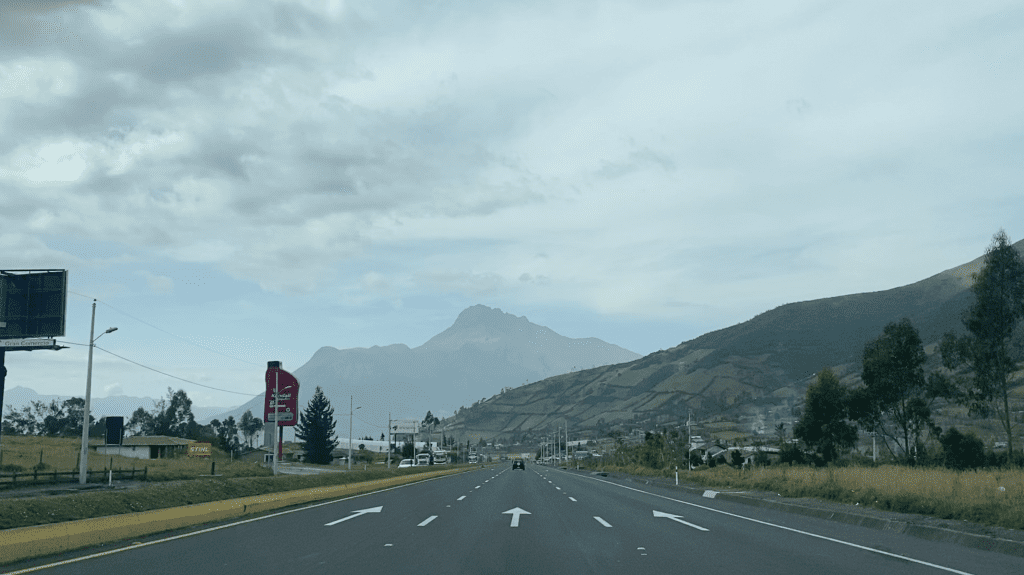
I felt quite anxious at first, but it was extremely easy to adapt to the Ecuadorian driving style: go pretty slow and don’t use turning signals. The road signs are a mix of common American & European signs so it’s easy to follow.
Driving to Otavalo
And our ride to Otavalo begins…
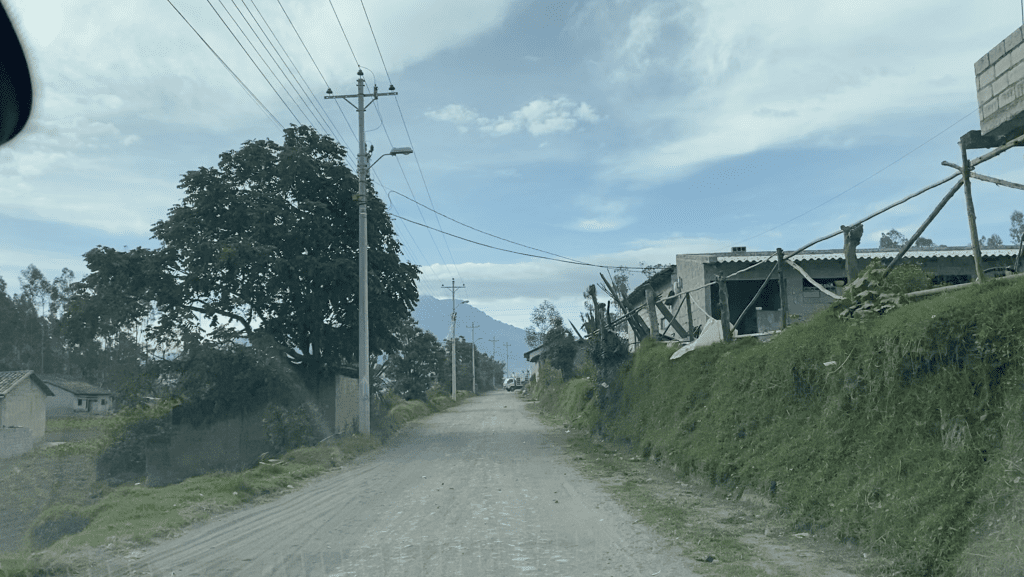
The desktop Google maps version told me it was about 1.5 hours away, but the mobile version said about 3 hours away. I thought it was because of the traffic but I later realized that my app had avoided toll roads and, as a result, I’d extended my trip… That being said, it was actually nice to see the country and the views.
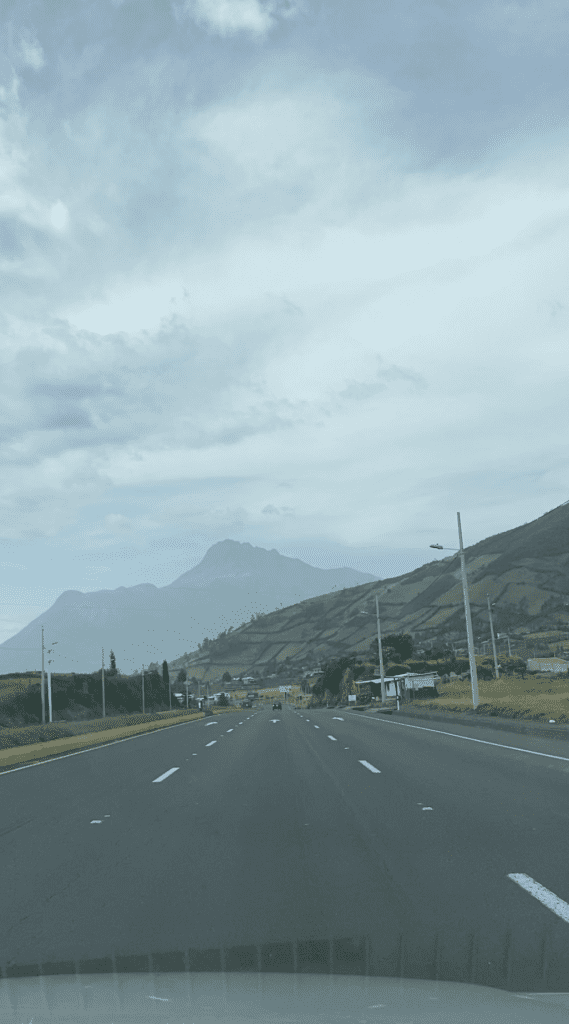
We arrived at the Intiyaya hotel (La Casa Del Sol) in Otavalo.
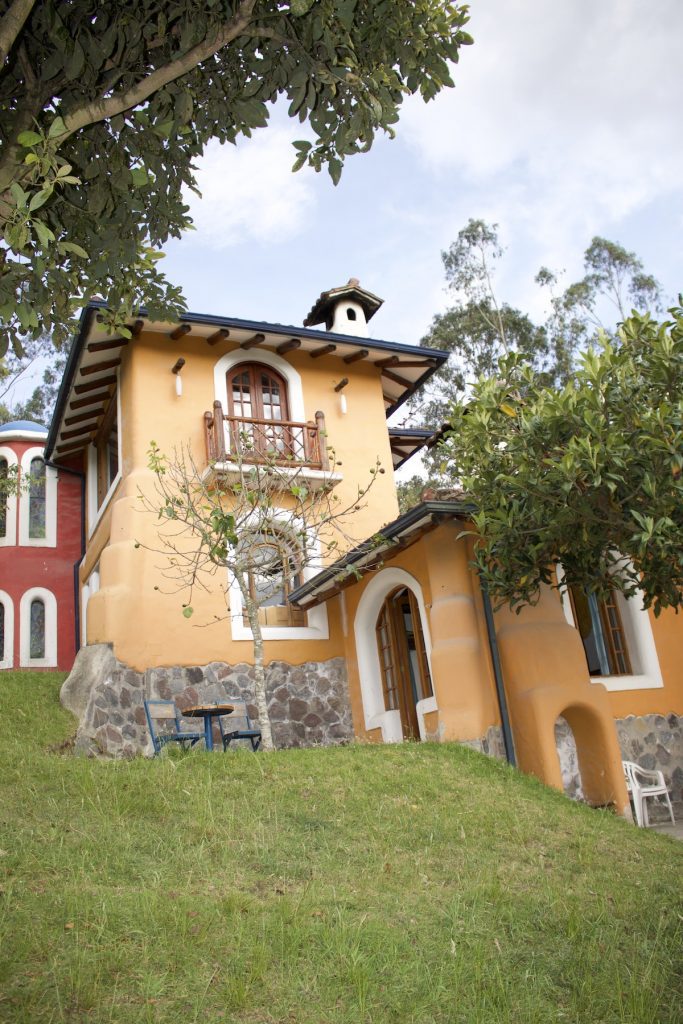
Intiyaya Residences in Otavalo, Ecuador
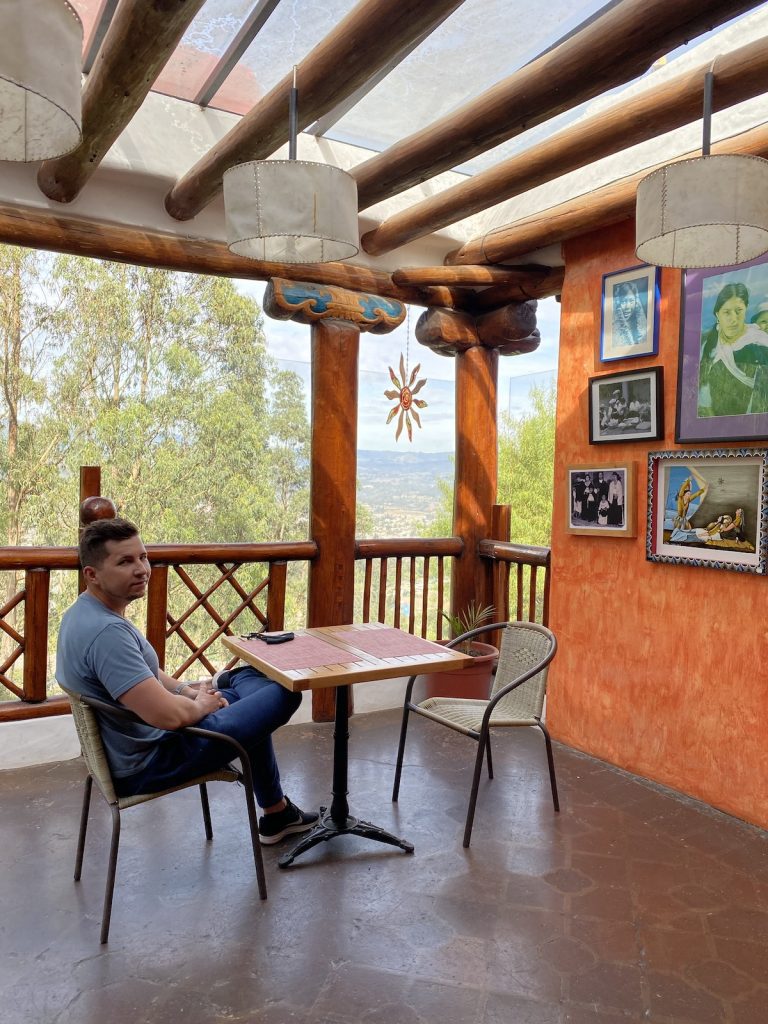
It was an extremely authentic hotel that I’d highly recommend to everyone: I cannot describe the hospitality and attitude of the people who work there. Marcus, the owner, built the hotel by himself while following all the local traditions of this area in Ecuador. The hotel itself was like a museum.
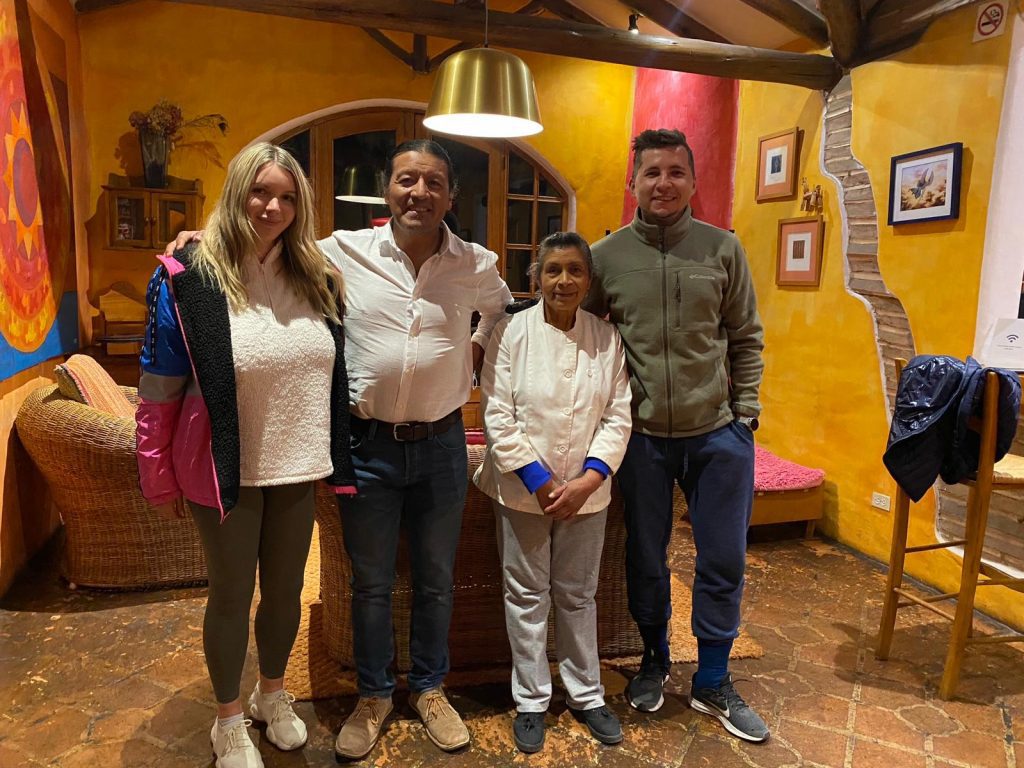
The saddest part about the hotel was the guests… because we were the only ones staying in the whole hotel. Marcus said that not only had the pandemic really hurt the business, but also that people usually travel to Otavalo on the weekends and, thus, the hotel is rarely busy during the weekdays. Either way, we were the only residents during our 2-night stay. If you ever travel to Otavalo, I highly recommend booking this hotel: it’s inexpensive and the staff is extremely kind.
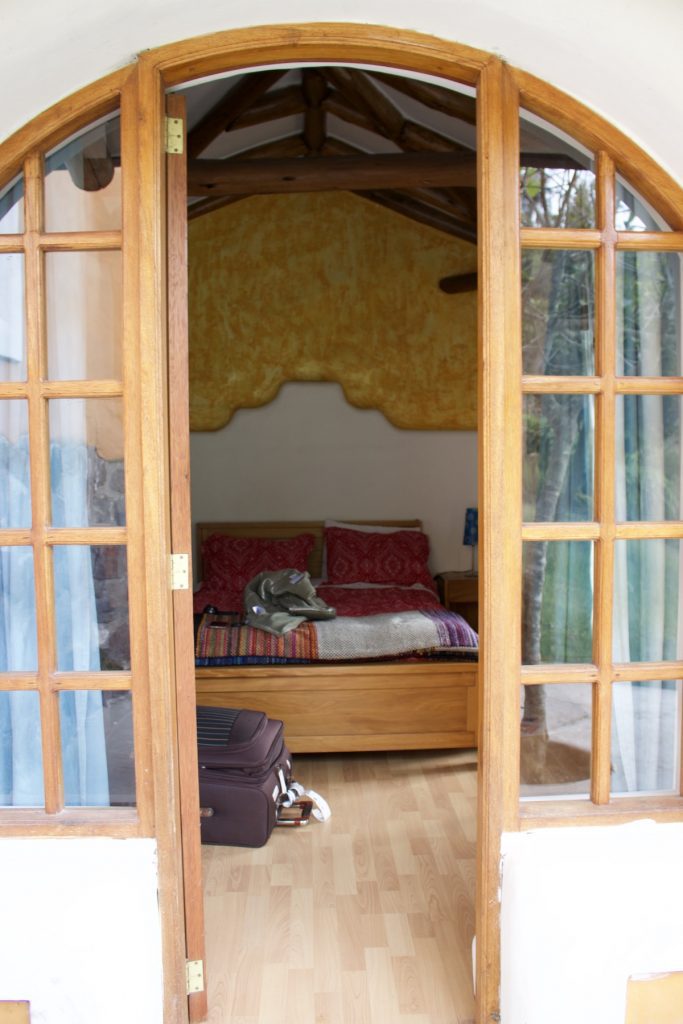
Our room was amazing and cozy. The bed and blankets were warm and comfy, making a great change from what we’d gotten used to in Quito’s Airbnb accommodation. We also had a nice terrace with views of Otavalo and a full fireplace. You had to pay 5 US dollars for firewood, but we were more than happy to support the hotel.
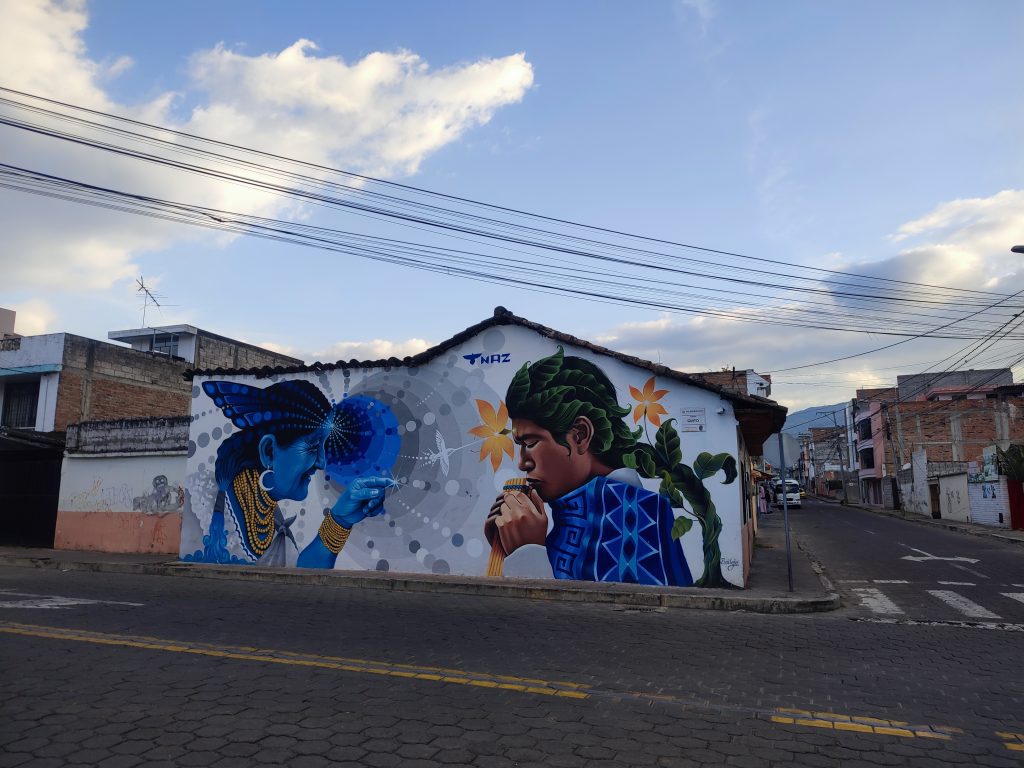
Otavalo is home to the indigenous Andean mountain people. It was completely different from Quito and we really liked the energy of the place.
Otavalo Market
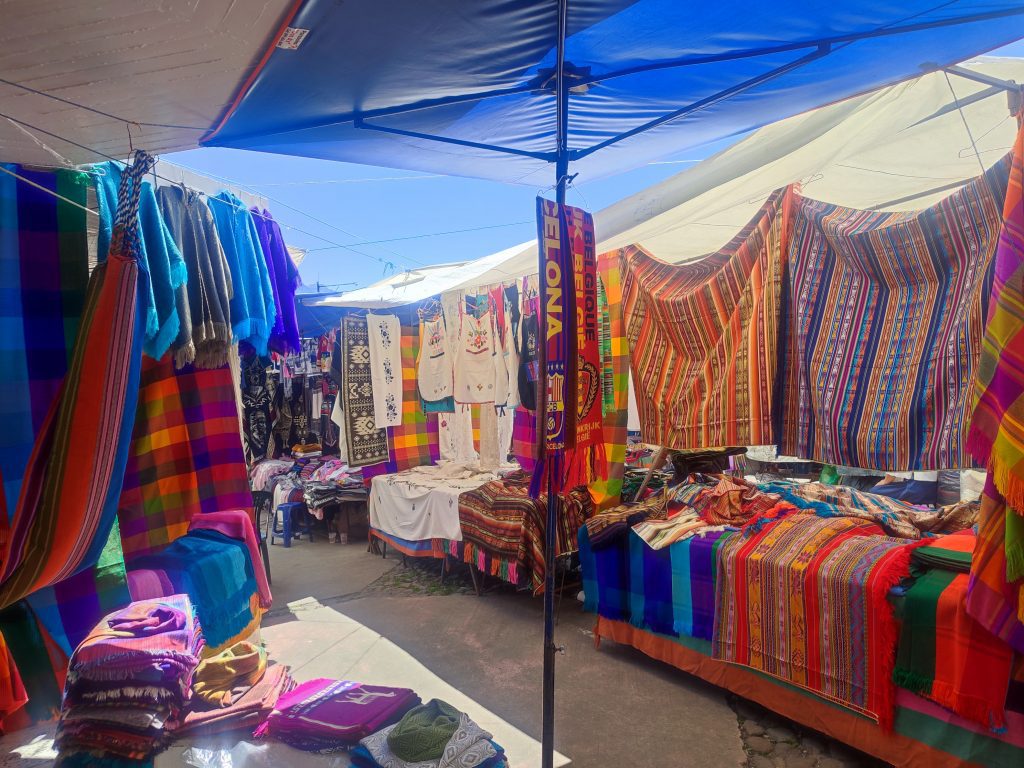
We headed to Otavalo Market, probably the most popular indigenous market to visit in Ecuador. As I expected to see a variety of unique, handcrafted items, I was a little disappointed.
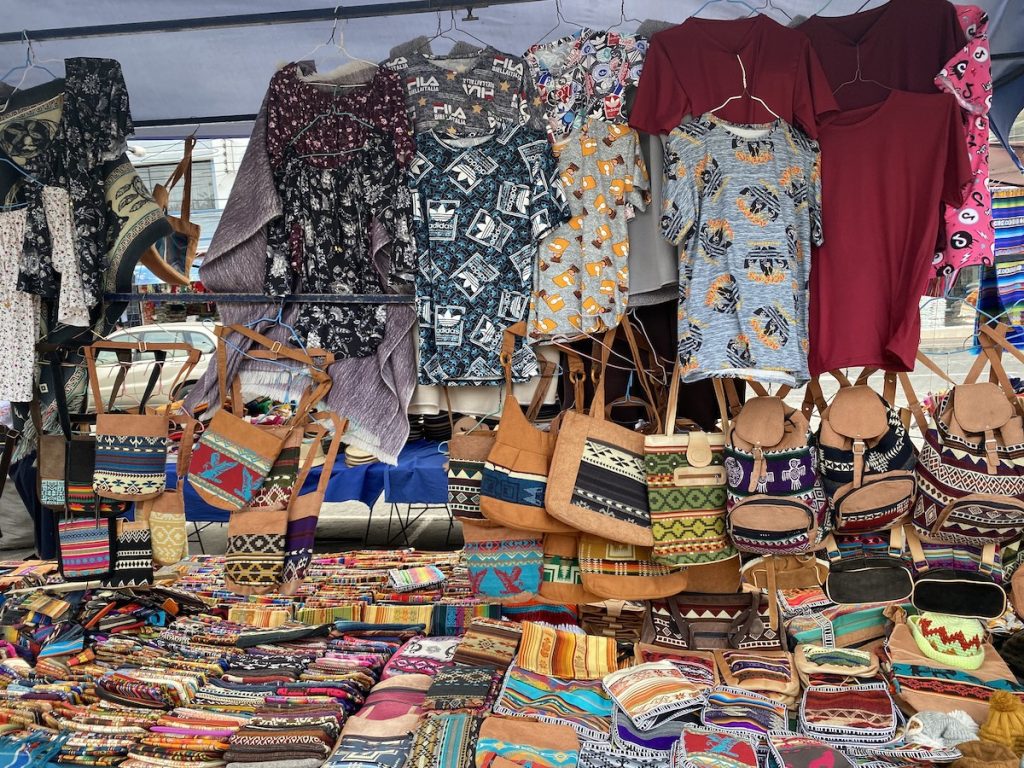
Many vendors sell exactly the same thing, meaning it became a typical mass market. But there are some unique things as well:
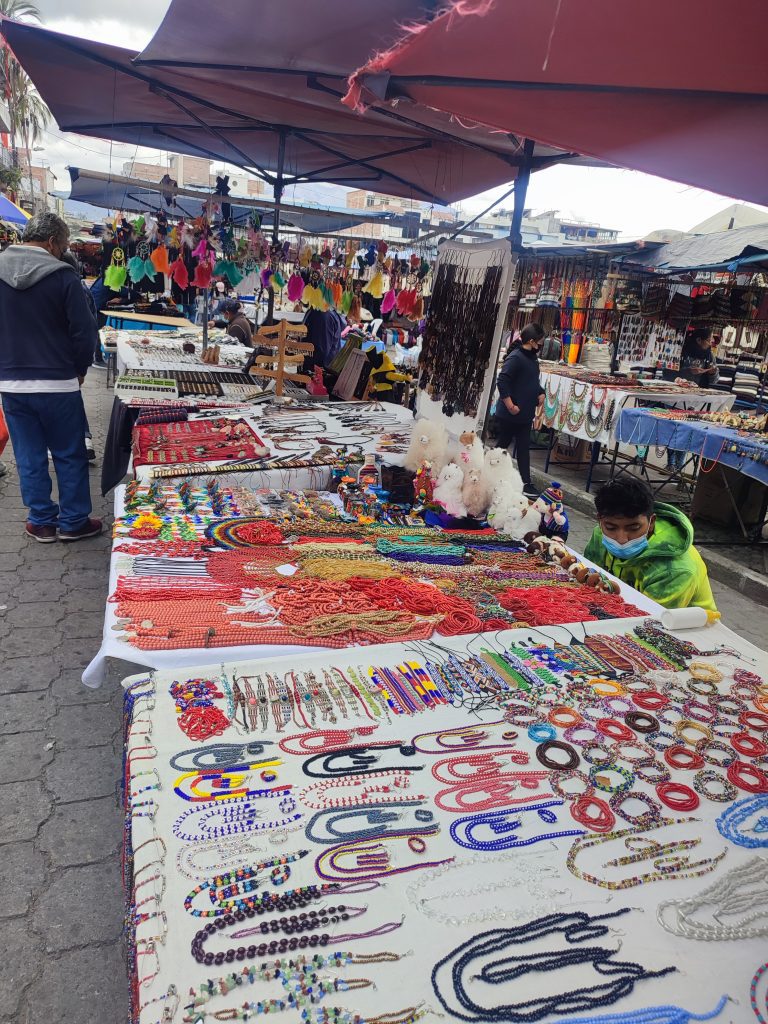
While it’s possible, there are more unique vendors on Saturday, it’s not worth visiting during the week.
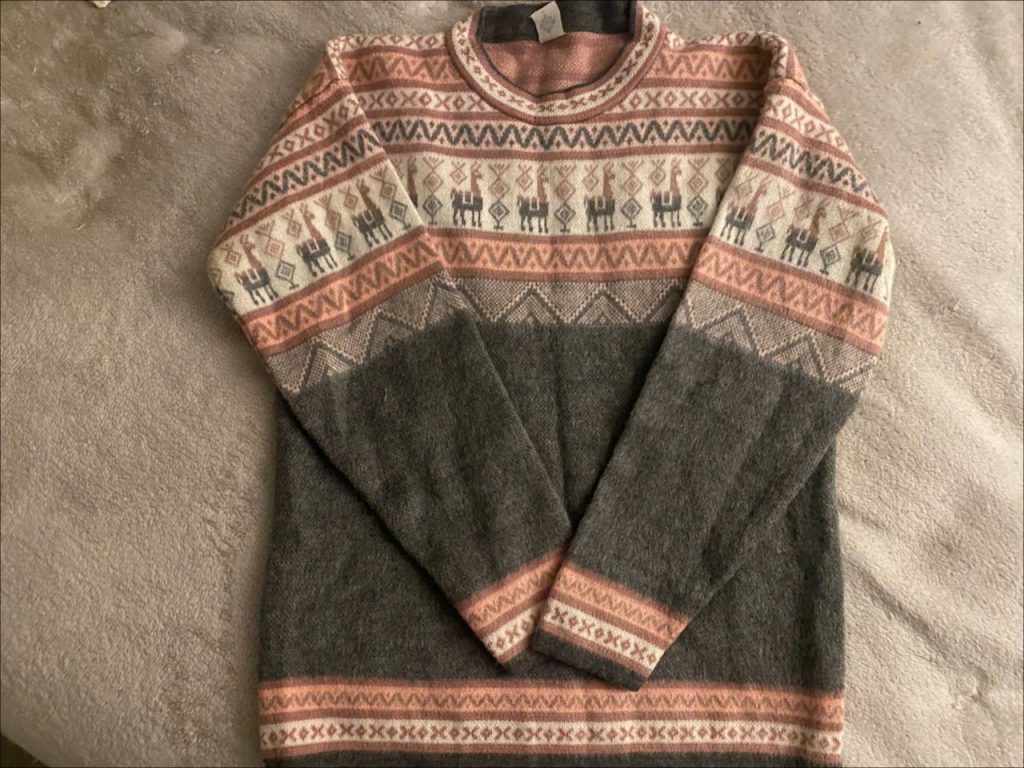
Nevertheless, my wife bought a lamah sweater as a keepsake and memory from this part of Ecuador.
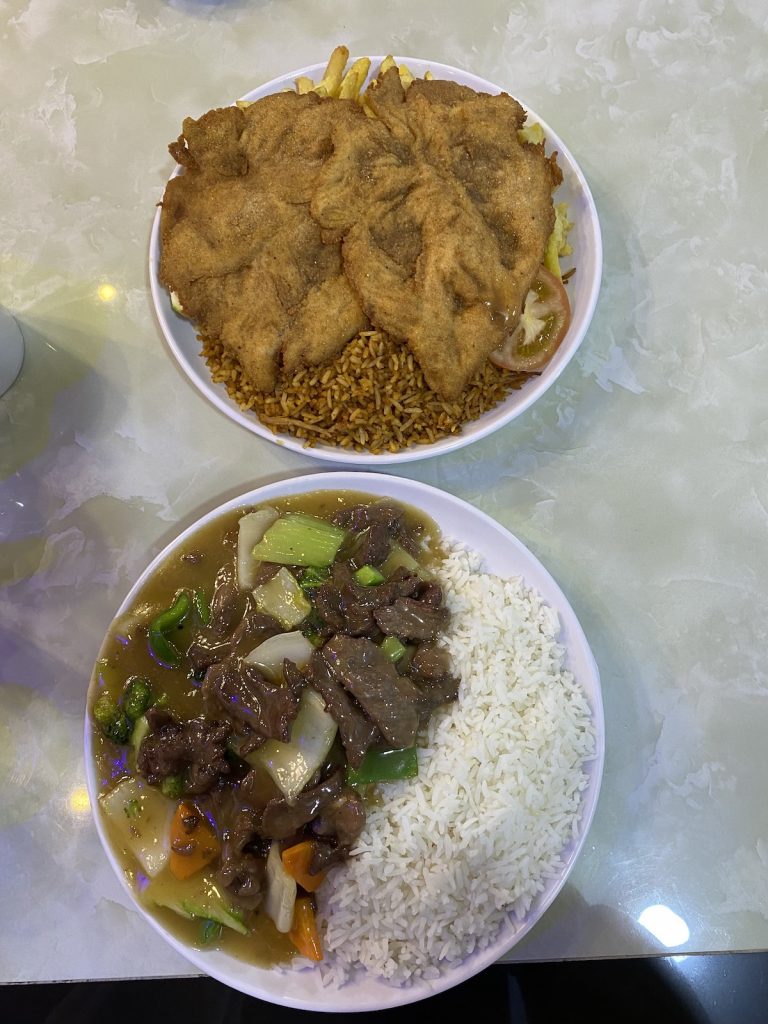
Many restaurants closed after 6pm, as it turned out, but we found one with a lot of locals inside. So we expected to see local food… but it was Chinese again! Well, sort of a local-plus-Chinese cuisine mix.
The portions were absolutely huge and neither of us were able to finish even half of the plate. It cost only 12 US dollars and we packed up the leftovers for tomorrow’s lunch.
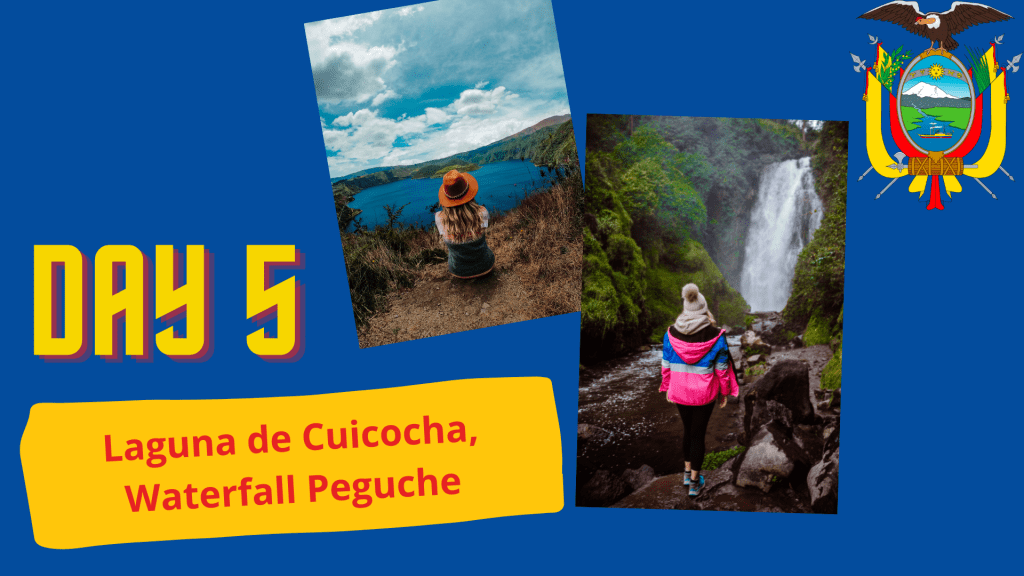
Day 5 (Laguna de Cuicocha, Cascada de Peguche)
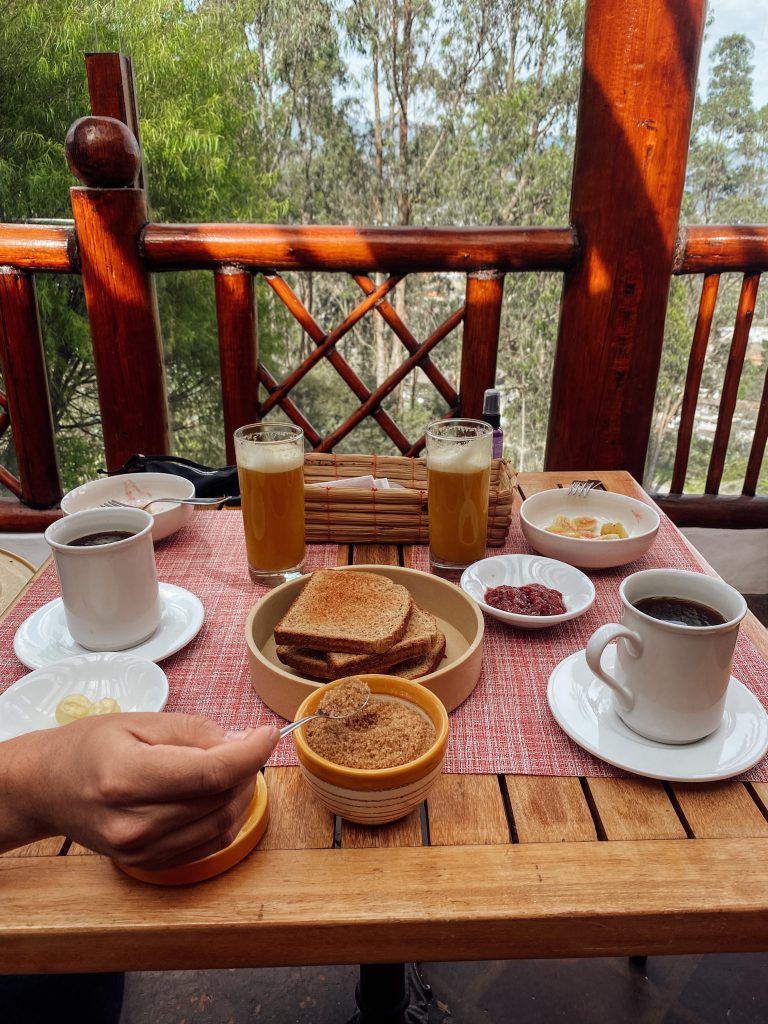
We started off with a cozy breakfast that was included in the hotel price, then headed to Laguna de Cuicocha.
Laguna de Cuicocha
Laguna de Cuicocha is a 3 kilometer (or 2 mile) wide caldera and crater lake at the foot of Cotacachi Volcano. It’s quite a popular hike to visit in the Northern Ecuador.
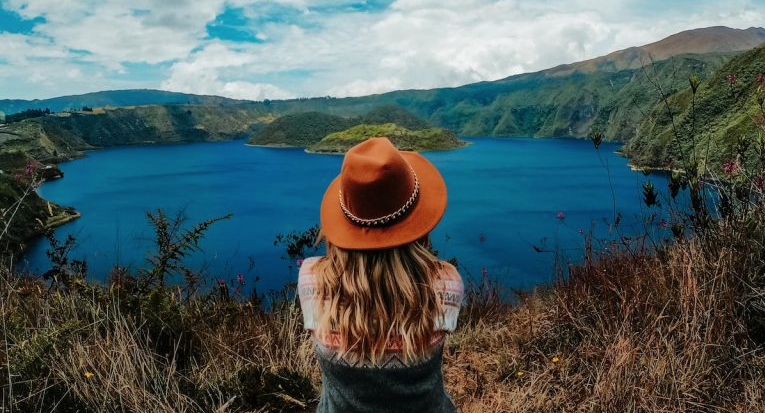
Laguna de Cuicocha
It’s a popular hike around the Otavalo area and was about 30-40 minutes away from the hotel. Everything was going well until we encountered a closed road and needed to find a detour. Let me tell you, in that situation Google Maps is not your friend…
TIP: I’d highly recommend using Waze maps, they work way better while traveling on Ecuador mainland
It was hard to find the entry point to Laguna de Cuicocha and all the maps seemed to send you in the wrong direction. You’ll encounter many unofficial signs saying “Laguna de Cuicocha Parkada” and asking to pay for parking.
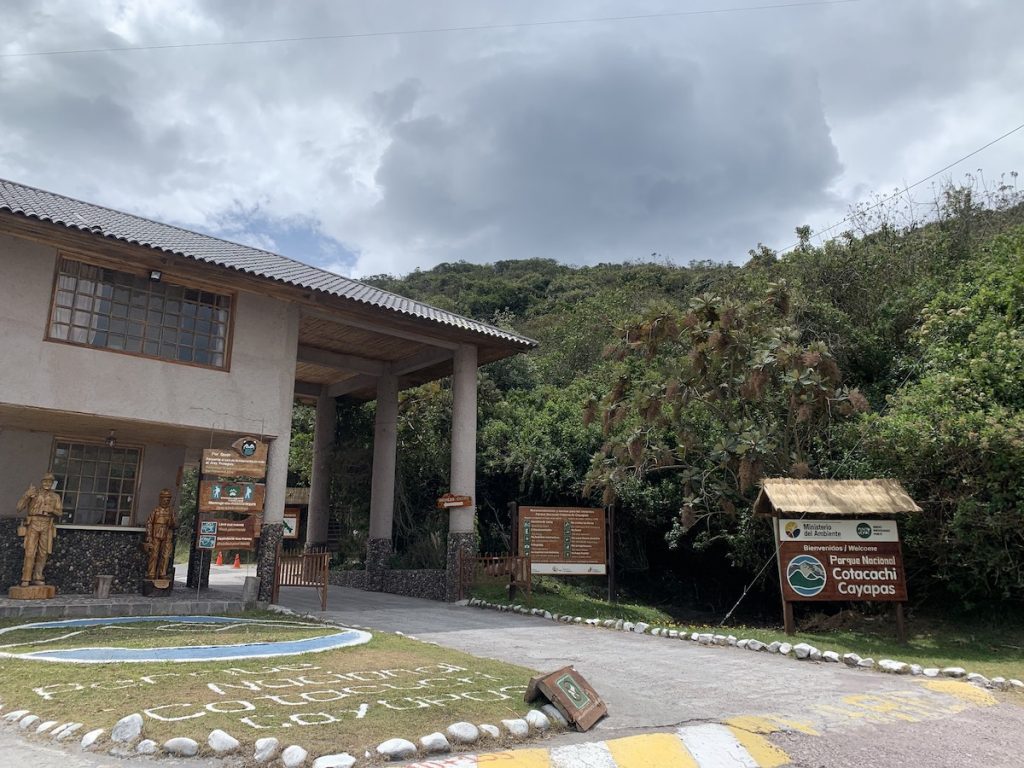
The official entrance to Laguna de Cuicocha
You’ll see the official entrance to the park, which is free, but make sure to bring your IDs with you. There’s plenty of parking available and you’ll be as close as possible to the Laguna and the trail.
It’s an ideal, easy hike of a loop around the Laguna while enjoying spectacular 360-degree views.
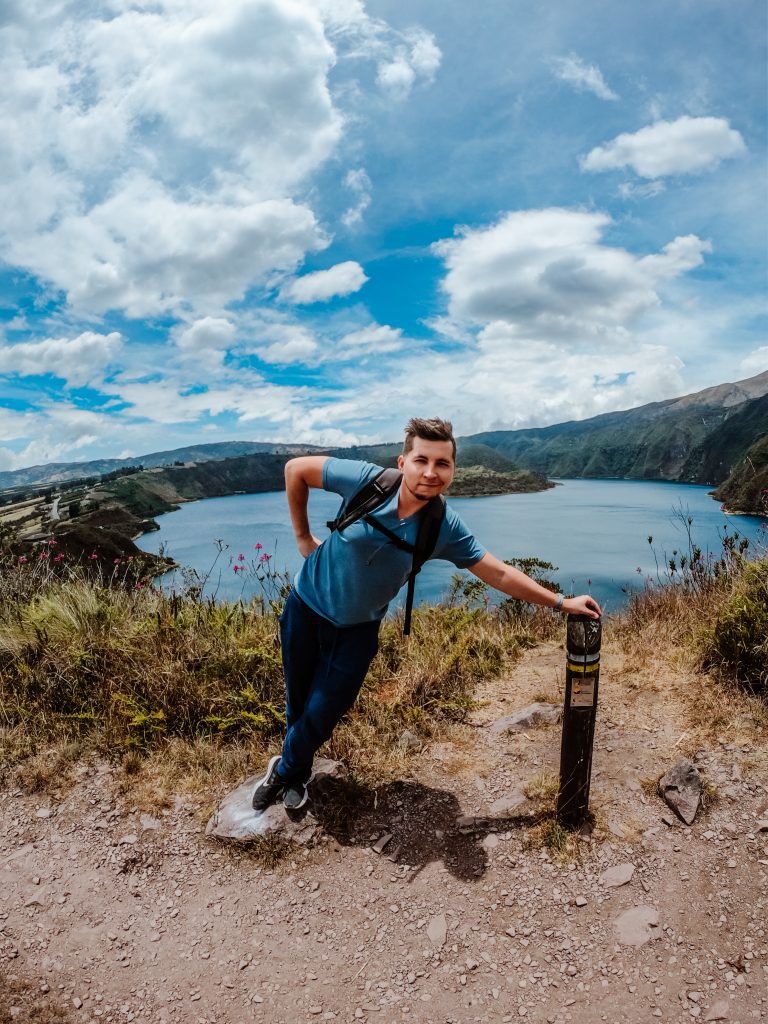
Laguna de Cuicocha
It was a Tuesday so we didn’t encounter a single person during our time on the trail. However, we only did maybe 25% of the trail because we didn’t feel the need to see the same views from a different angle.
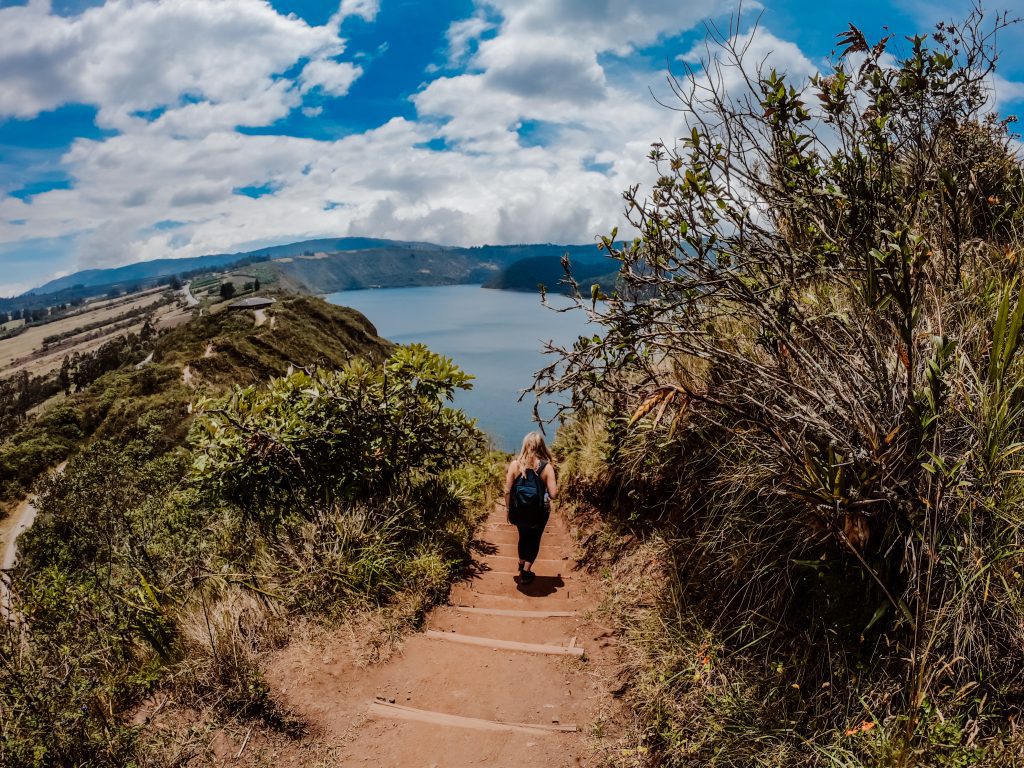
Laguna de Cuicocha
Many people drive all the way down to the water, where you can rent a boat for 3 US dollars per person and ride in the crater. We decided to skip that and headed for our next spot, right by our hotel.
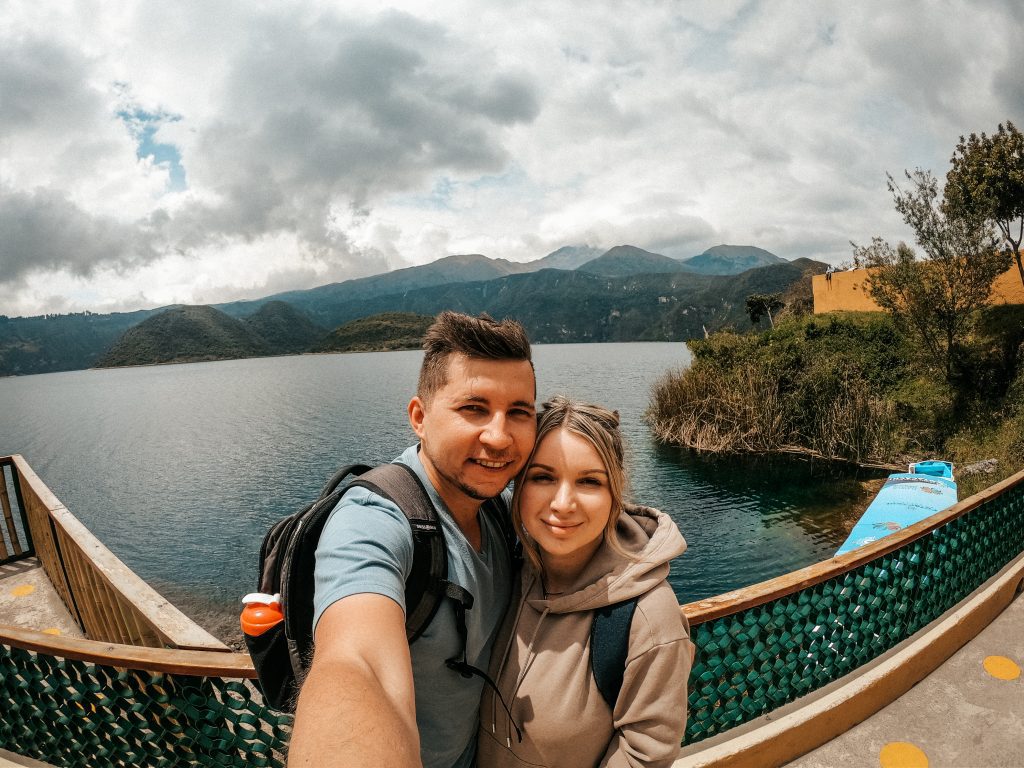
Laguna de Cuicocha
Cascada de Peguche
When in Otavalo, it’s well worth visiting Peguche waterfalls.
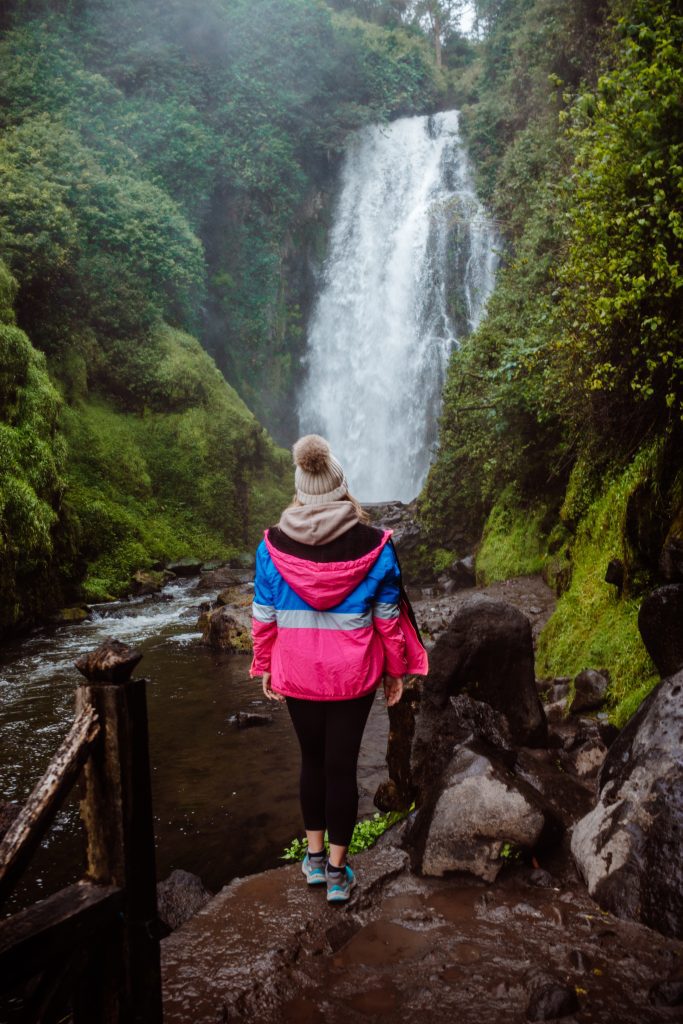
Peguche Waterfall
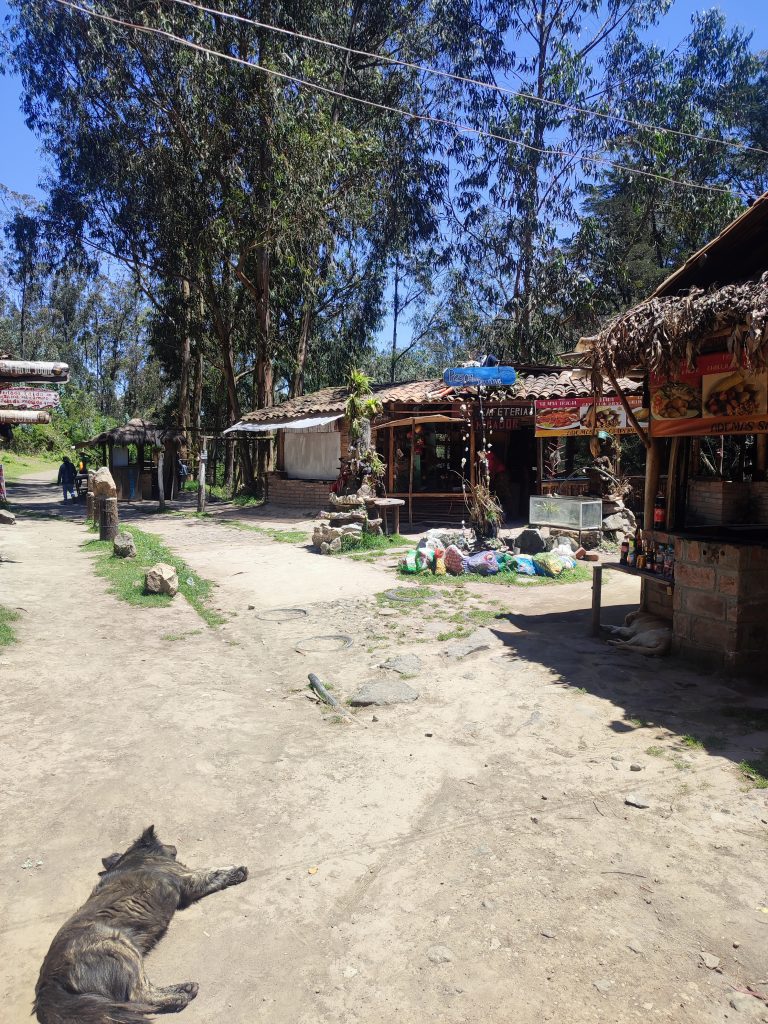
The entrance fee was only 1 dollar per person and it offers another beautiful, easy hike – but, as usual, we didn’t see the sign and went off trail in the beginning. We appeared to be on a dirty trail and saw a suspension bridge, so I was 100% sure it was part of the trail.
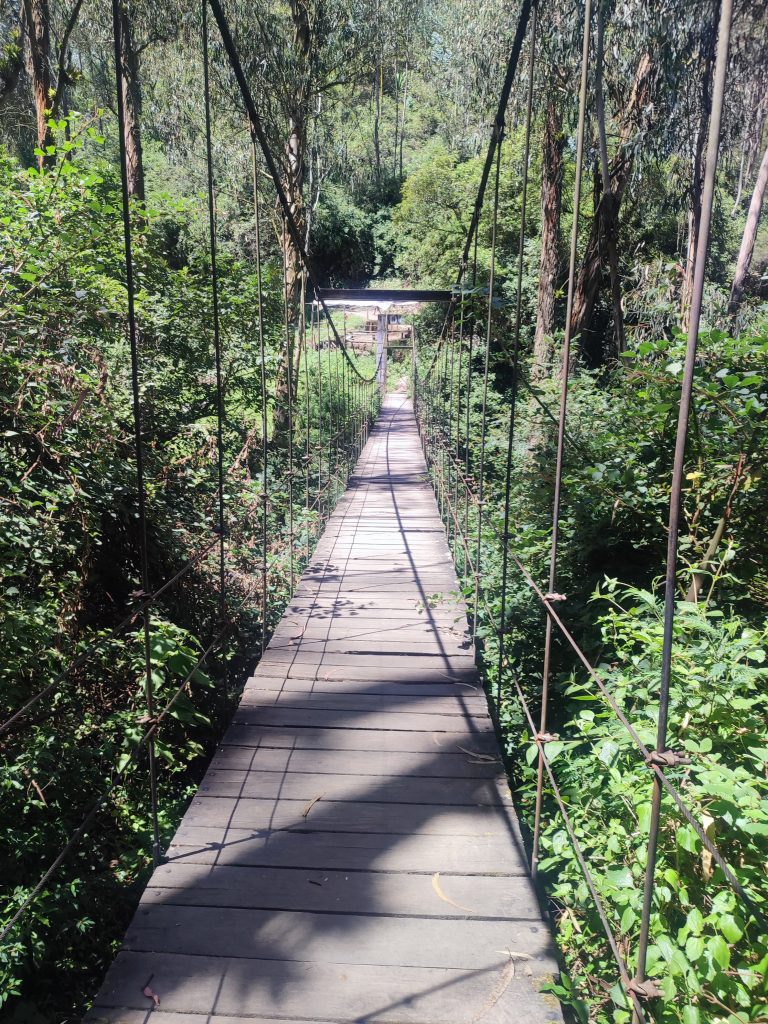
However, the bridge was in a bad condition and really not safe to cross. There was no proper protection on its sides and the wood was old. While continuing our search for the waterfalls, we saw a local community from above with fascinating natural baths.
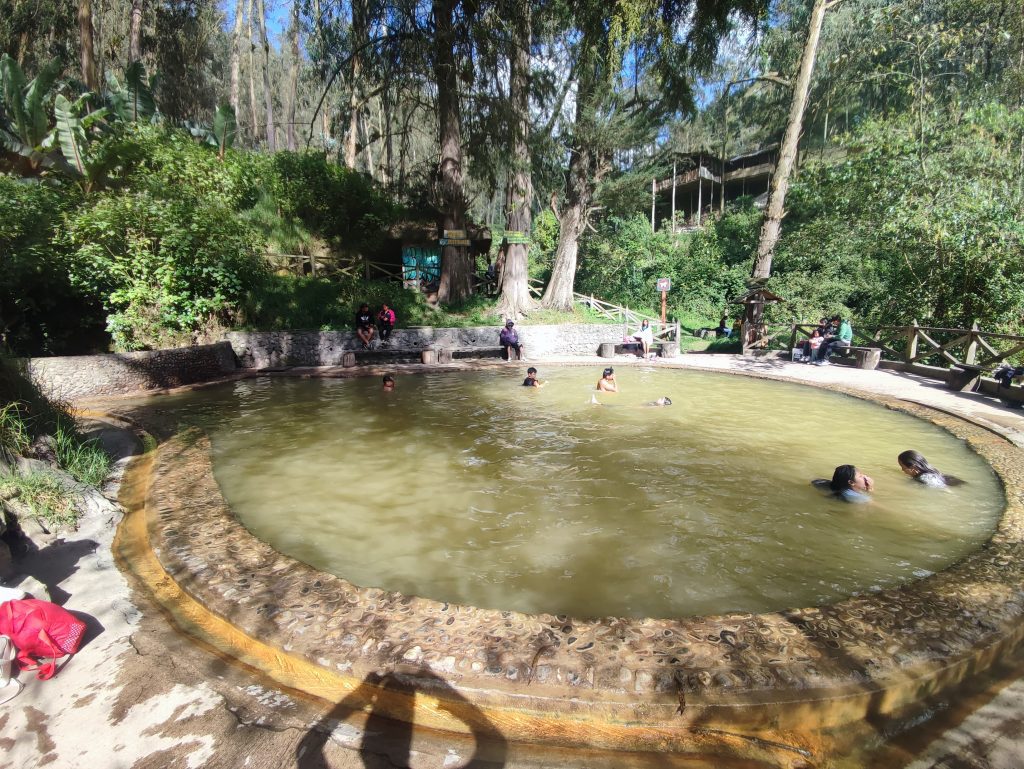
However, there was a sign stating “no entry and no photos” but surprisingly one of the local people invited us to see it. It turns out this was considered an Indigenous Ceremonial Site due to the purification baths. 10 minutes later we found the waterfall.
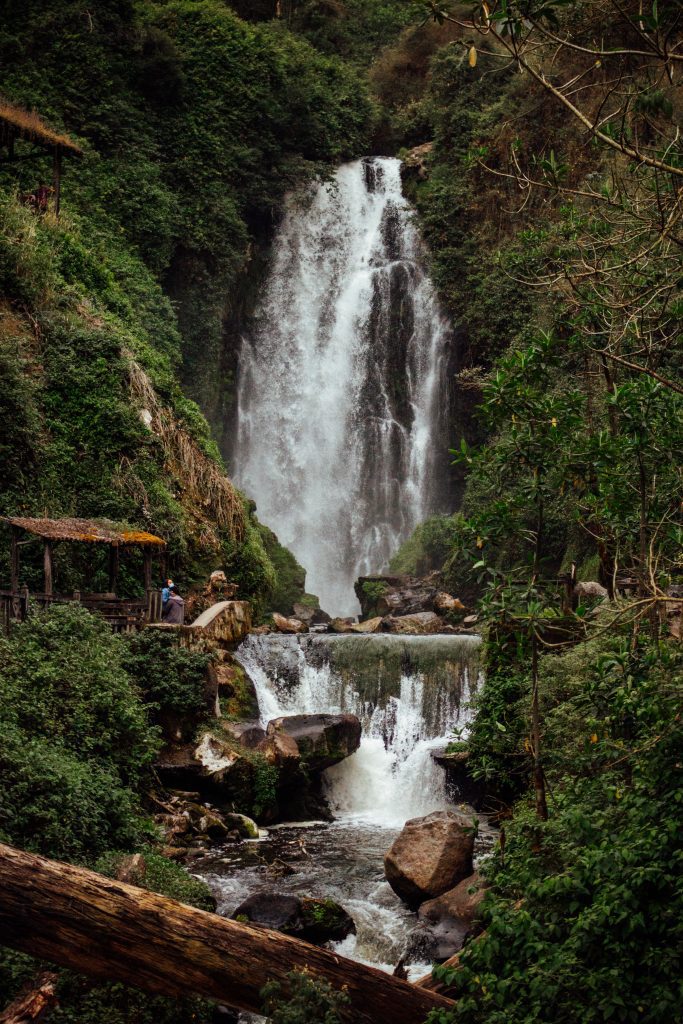
Peguche Waterfall
Honestly, it was nothing special but still beautiful – we were going to see way better waterfalls later on our trip. On the way back, we managed to follow the official trail. It was well made, not dirty, and scenic. Still, there are way better waterfalls to see in Ecuador.
That evening we enjoyed an authentic dinner in the hotel and had a good conversation with the owner (he spoke English very well). I don’t usually have dinner in hotels when traveling but we wanted to support this hotel in particular. Plus, since it was owned by local Indigenous people, we wanted to try their food.
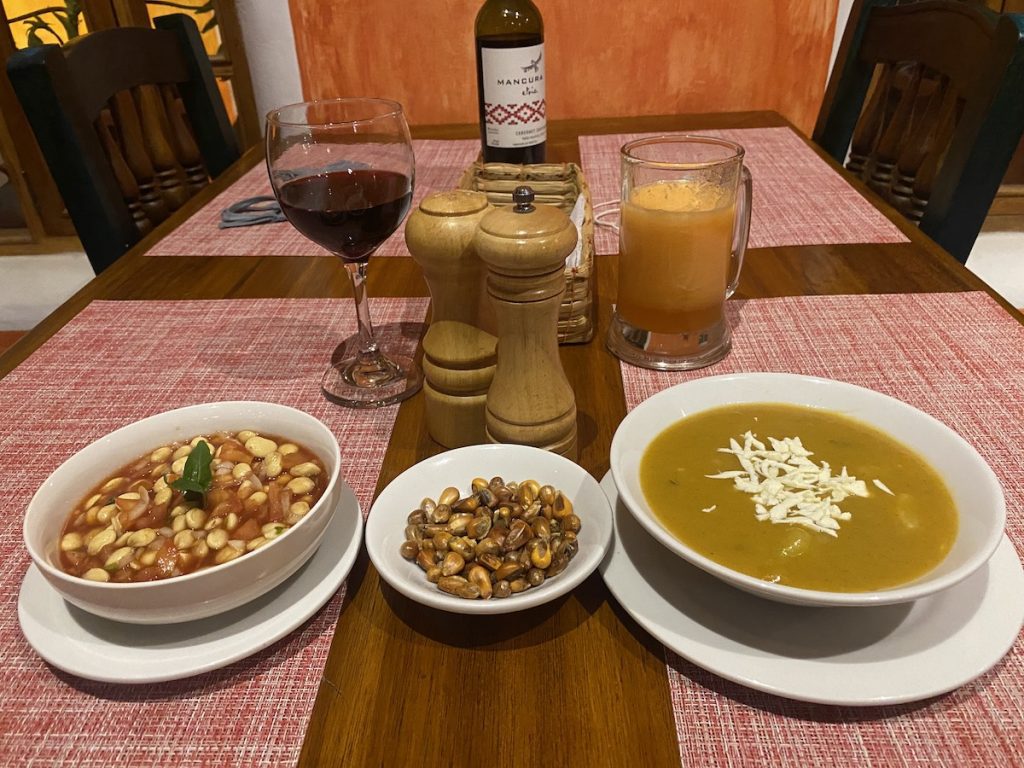
We had crema de maiz, ceviche de chochos, and pollo al grill. Unfortunately, they didn’t have some of the cool entrees we wanted to try because the meat needed to be marinated for 24 hours and, since we were the only guests, they didn’t have it ready to hand. However, if you’re planning a stay, you can always ask them in advance!
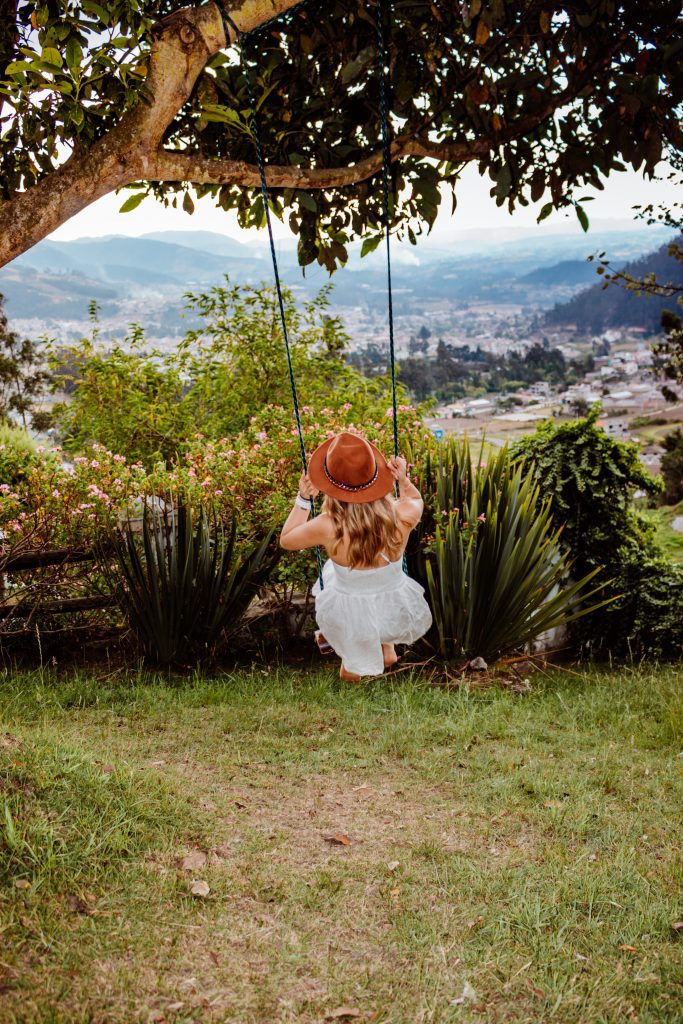
Otavalo, Ecuador is a great area to visit. We highly enjoyed our stay with the Indigenous community and recommend visiting this area in Ecuador to everyone.
Day 6 (Drive to Hacienda, walking on the ranch)
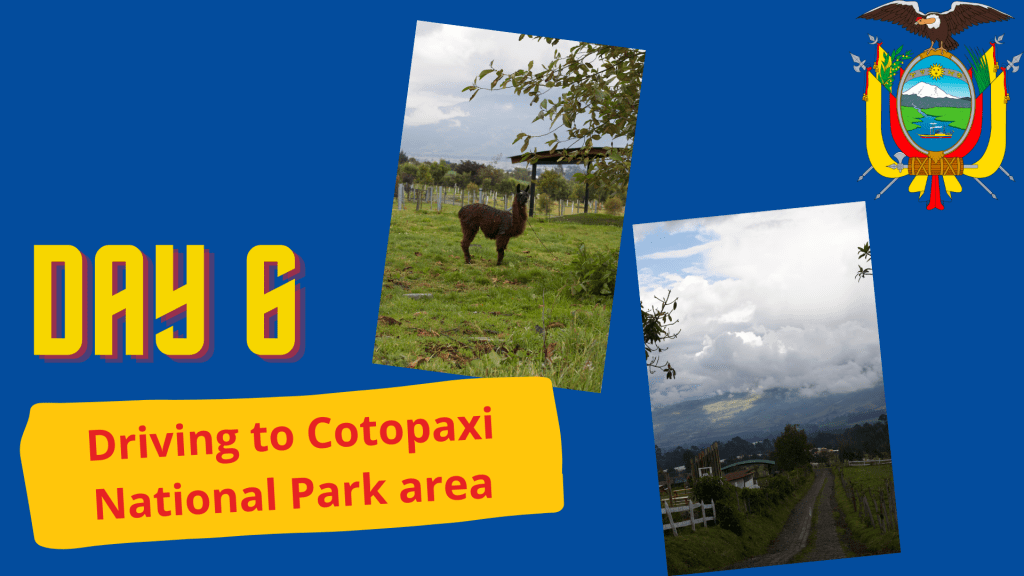
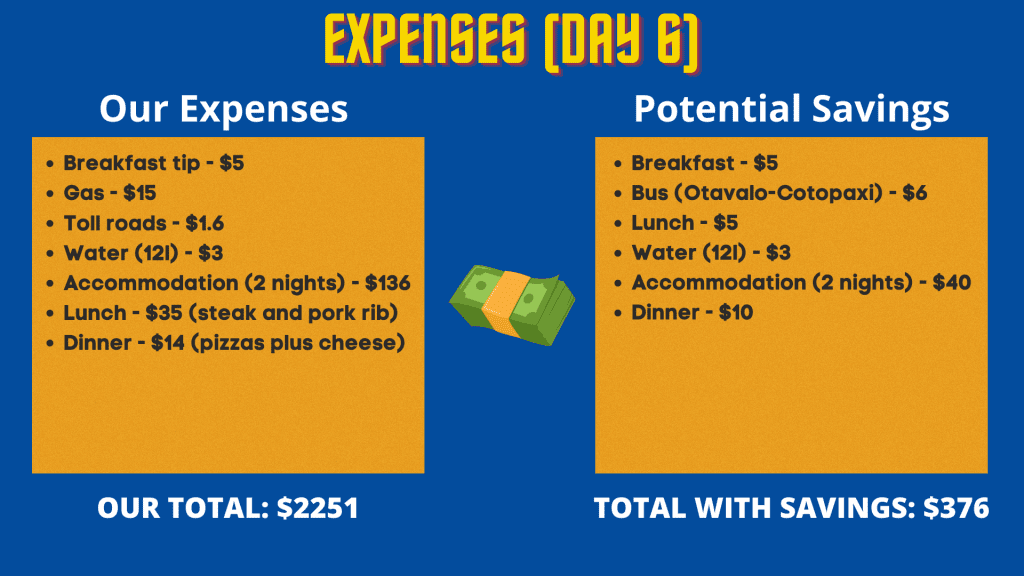
It was sad to check out from this beautiful hotel, but our adventure had to continue: to the Cotopaxi National Park region which is one of the best places to visit in Ecuador. The road to the hotel took us about 3 hours (and we used the toll road this time!) 95% of the way was the highway, so it was easy to get from one place to another. Toll roads in Ecuador are extremely cheap ranging from $0.5-$1.
There are a few unique places you can stay. We really wanted to stay at two places:
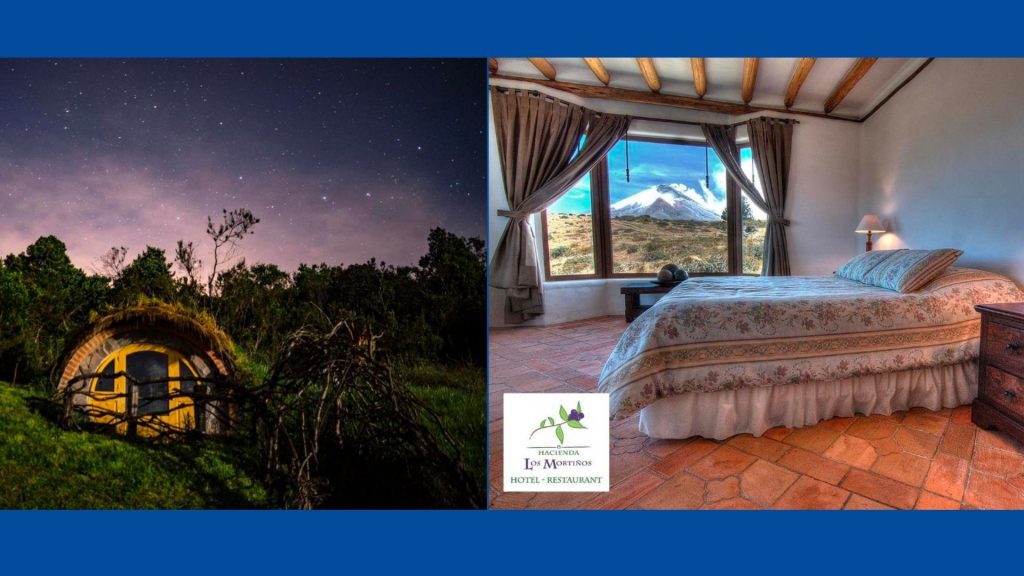
- Our first option was a country house, with cozy rooms and views of Cotopaxi Volcano named Hacienda Los Mortiños. Unfortunately, our dates were unavailable to book, which was weird because other dates – like 1 day after or before – had plenty of rooms available. We contacted them but no one replied.
- Our second option was this Secret Garden, which looks like The Shire from Lord of the Rings. However, while waiting for a reply from Hacienda Los Mortiños, all the rooms became unavailable! So if you like either of these two options, be sure to book in advance.
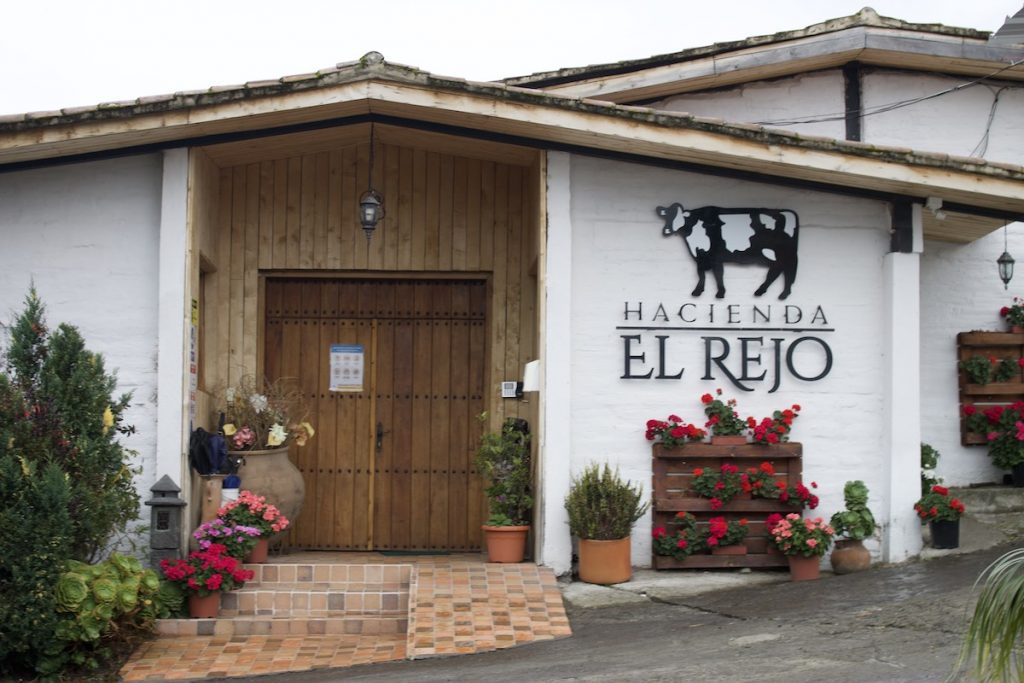
Eventually, as we hadn’t received a reply from Hacienda Los Mortiños, we ended up staying at Hacienda El Rejo. Thankfully, we have no regrets whatsoever and can highly recommend them! The hotel is located on a farm, alongside many cows that are used for milk and cheese products only. While the room was spacious and with comfy beds, what we really loved was their lounge area.
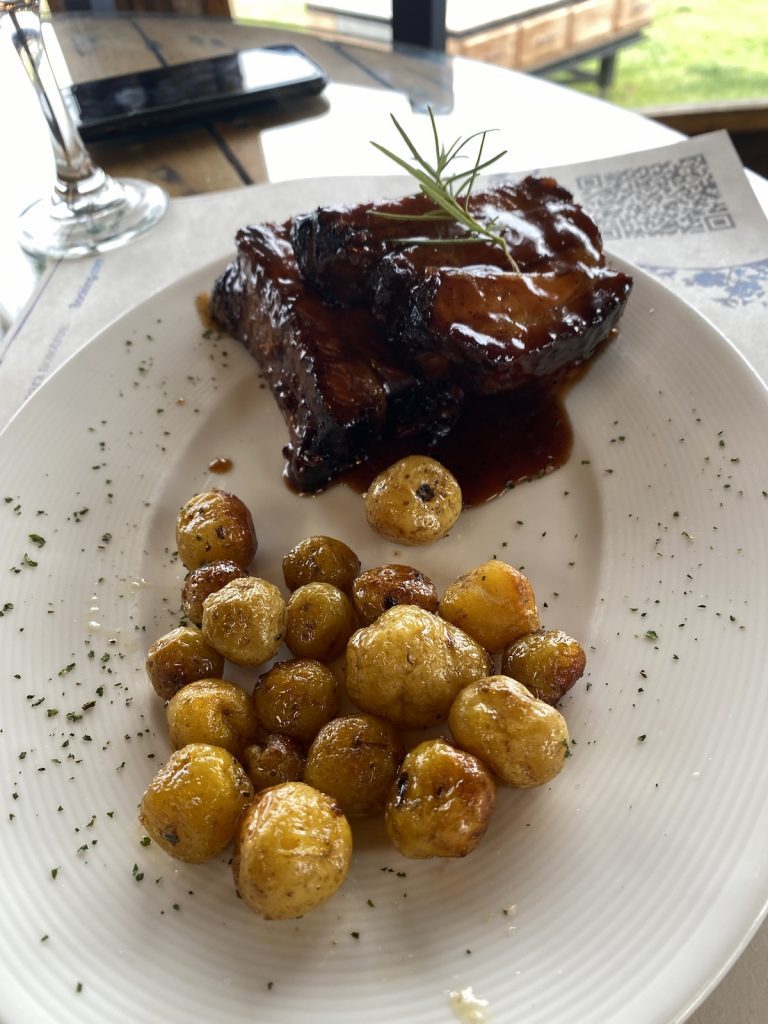
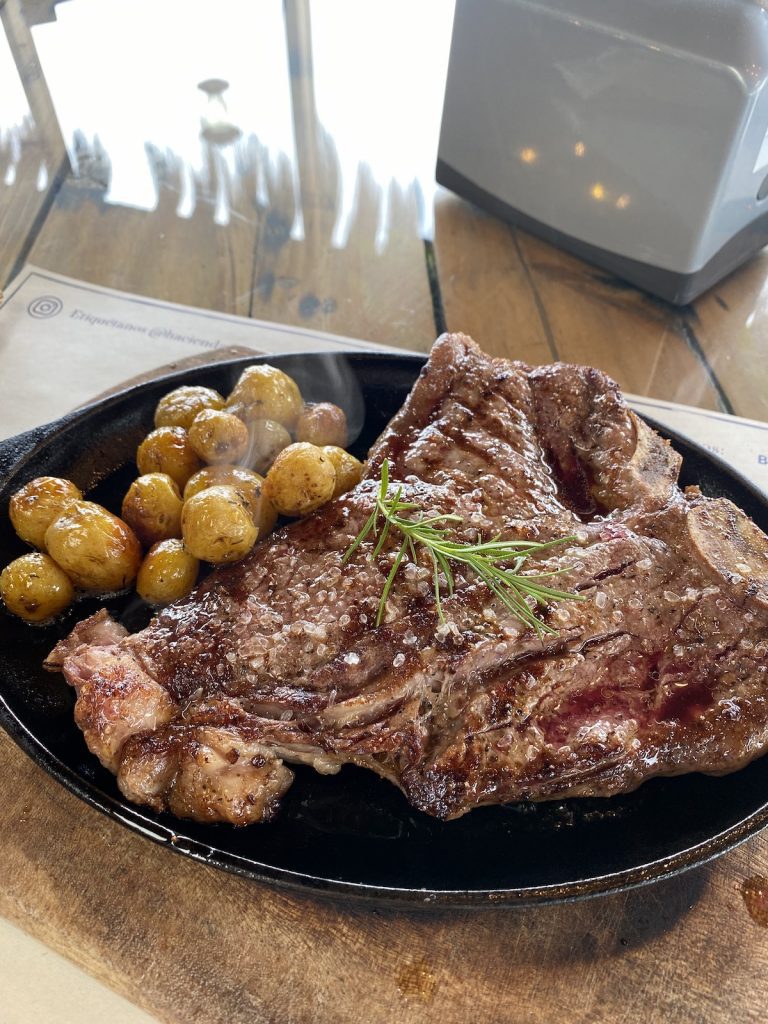
When we arrived, we were extremely hungry and decided lunch to eat in the hotel. Most of their menu accounted for steaks and ribs at quite expensive prices for Ecuador. I got pork ribs and my wife had steak. It was nothing particularly special and cost us 35 US dollars – disappointing, after the standard we’d grown used to.
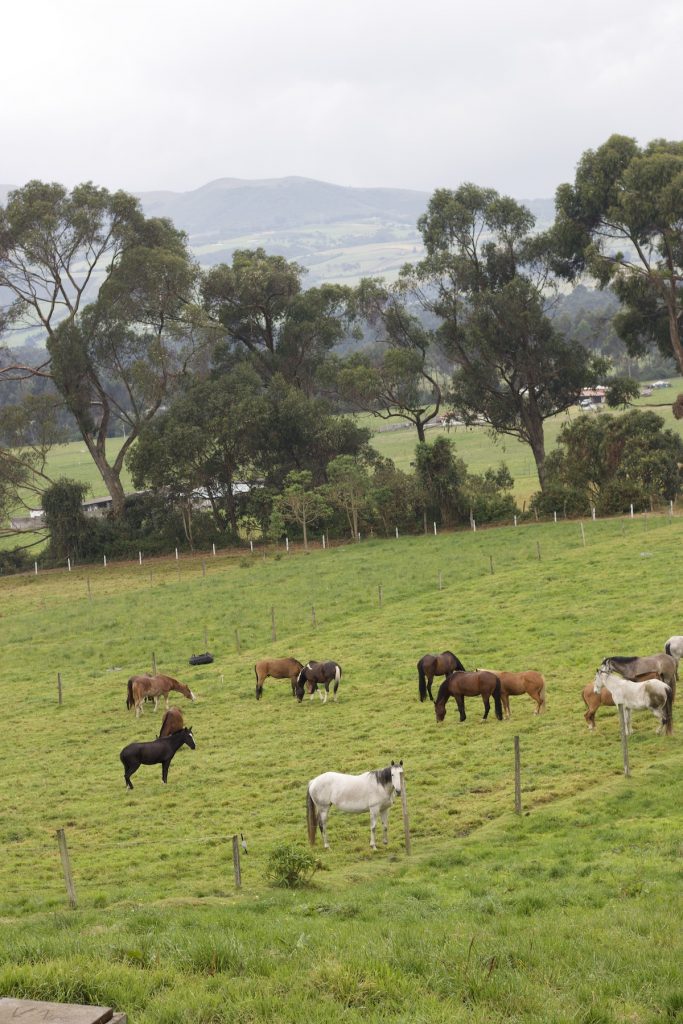
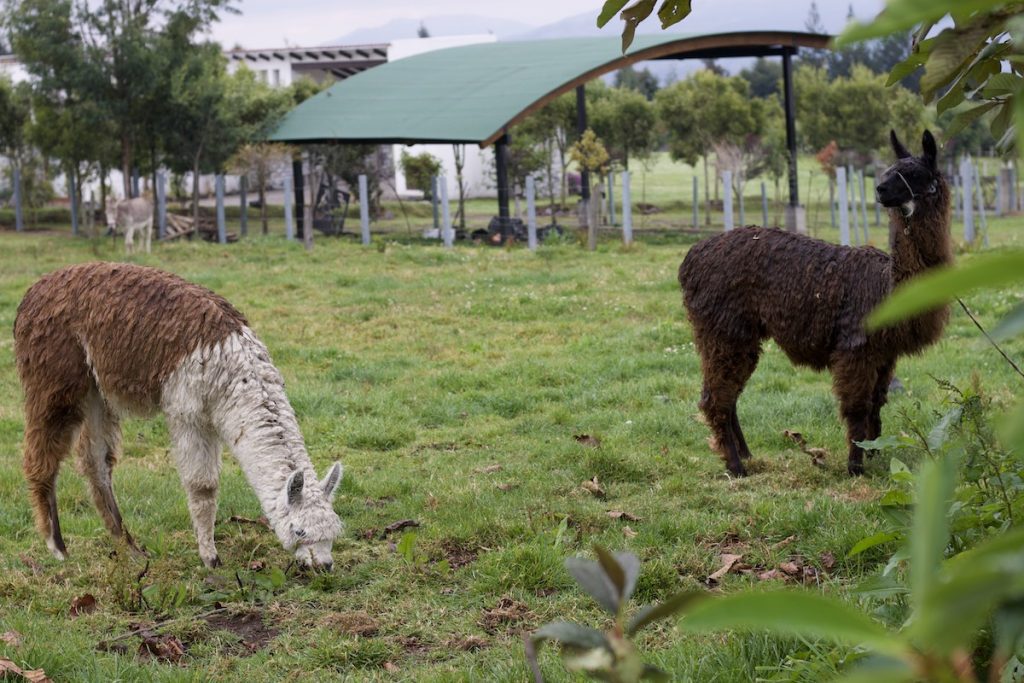
The weather had cleared up by the evening so we took a walk around the farm, discovering they actually have a trail around the area. It was a beautiful area with many farm animals around.
We headed out to find something for dinner at about 7:00pm, but by then almost all restaurants in the area were closed. Since only fast-food restaurants were still open, we headed back to the hotel and decided to check out their menu for the second time that. Unfortunately, they only had pizza and pasta on offer rather than any local goods, so we ended up ordering two homemade pizzas.
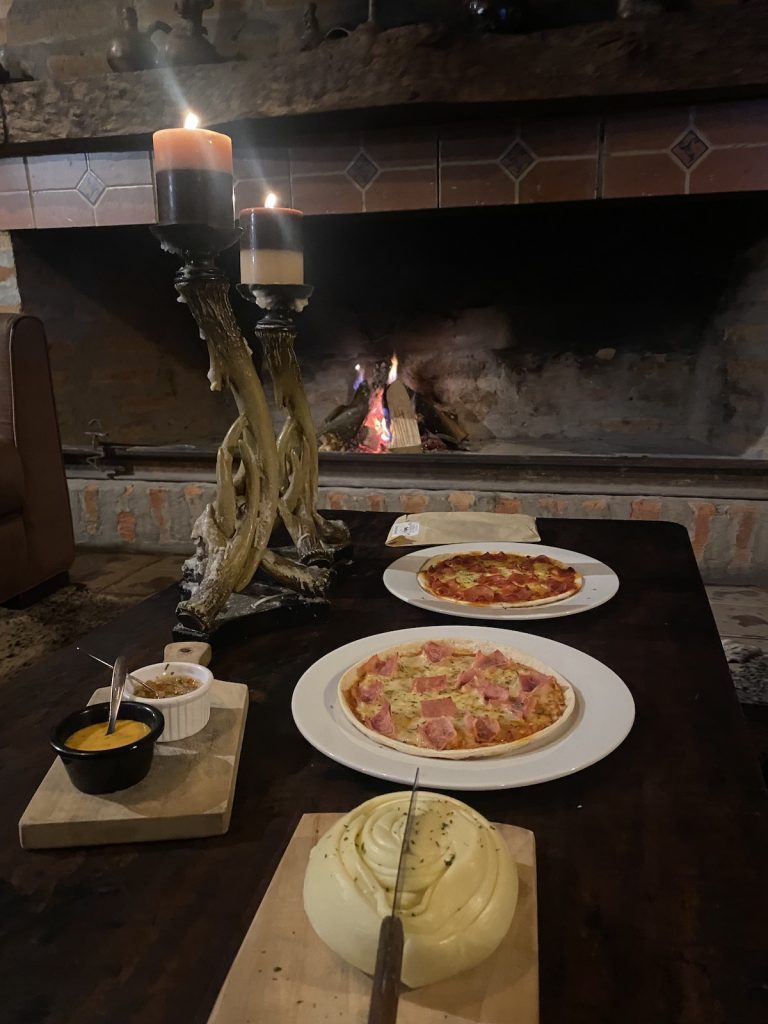
They were delicious, though, and after the hotel caretaker saw our frustration about dinner choices, we were promised a surprise in the form of a local dish the next day.
Day 7 (Quilotoa Lake)
In this particular area, we were planning to visit two major spots: Cotopaxi National Park and Quilotoa Crater Lake. Probably, the two most popular places to see in Ecuador. The weather forecast was not promising whatsoever: 100% chance of rains and thunderstorms.
We weren’t happy because it’s always best to visit these spots when the sky’s clear – not to mention the fact that both are located over 3,900 meters above sea-level, so it’s quite cold.
We initially wanted to visit Cotopaxi first, but once we saw there was “only” a 90% chance of rain there, we decided to drive to Quilotoa lake.
Quilotoa lake
It rained all day long. When the highway ended, there was a long serpentine road rose went from 2,500 meters all the way up to 3,900 meters. It became extremely foggy. Well, we were driving through the clouds. You can check how we drove in my video.
The cars were moving so slowly and there was no optimism whatsoever. But then…
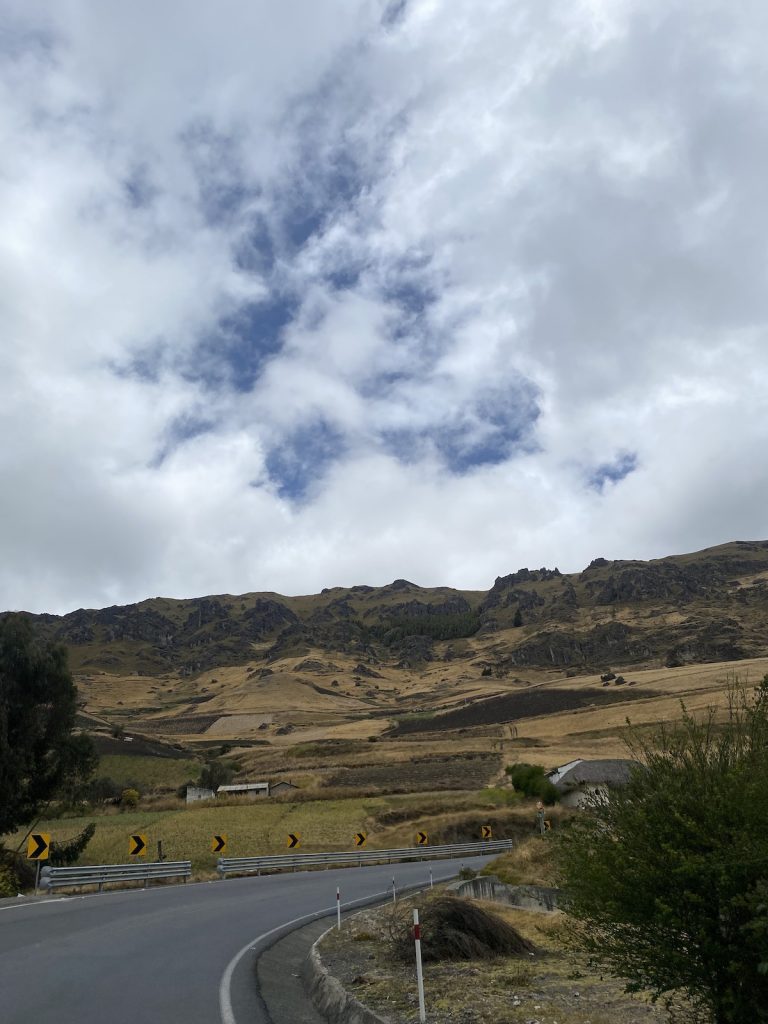
We drove ABOVE the cloud and everything became crystal clear! Just wow! It felt like we’d driven through a portal and into a different world. In the meantime, the weather app switched to 100% rain for Quilotoa lake.
Here’s a valuable tip: DON’T TRUST THE WEATHER APP IN ECUADOR.
Going forward, the same situation happened a few more times. It’s a good thing this place is such a popular tourist spot, as I think the weather forecast stopped a lot of people.
It was so cool to drive at such an altitude and see the local communities.
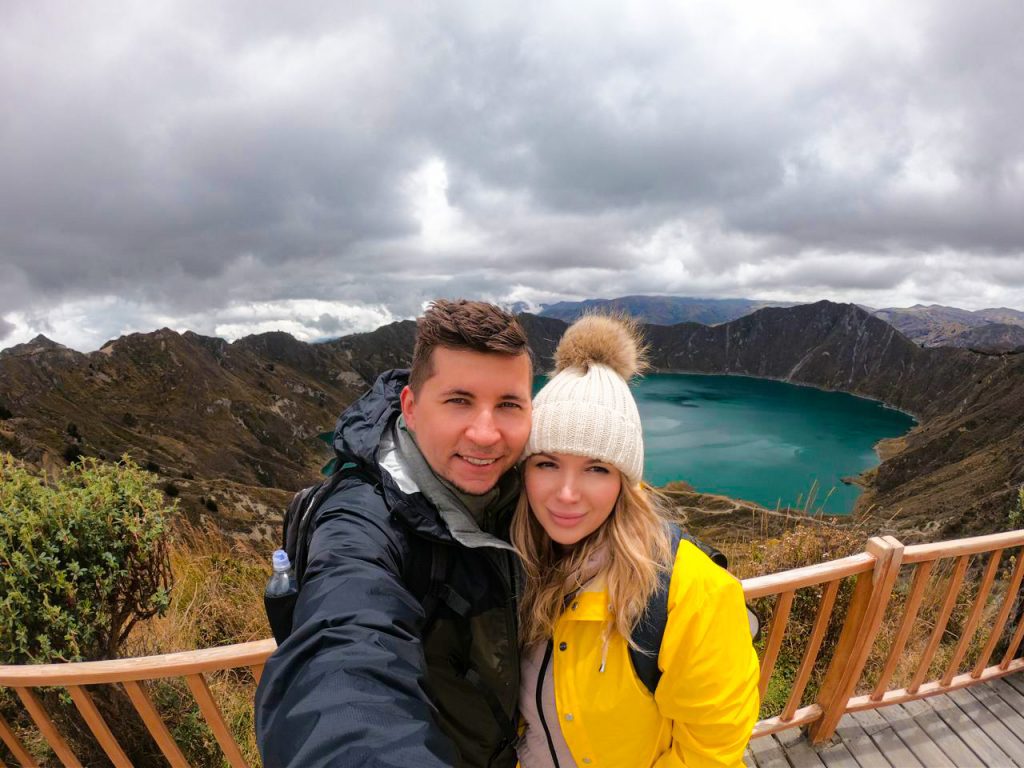
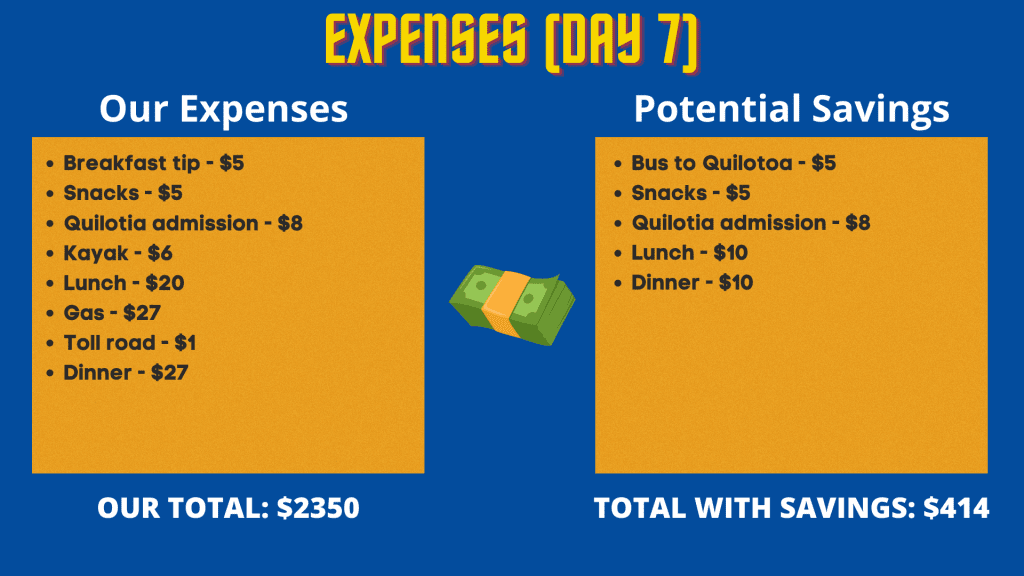
Et voila, we arrived! The admission cost 4 dollars per person and the viewpoint was only a few minutes from the car. Quilotoa Lake hiking is definitely one of the best things to do in Ecuador!
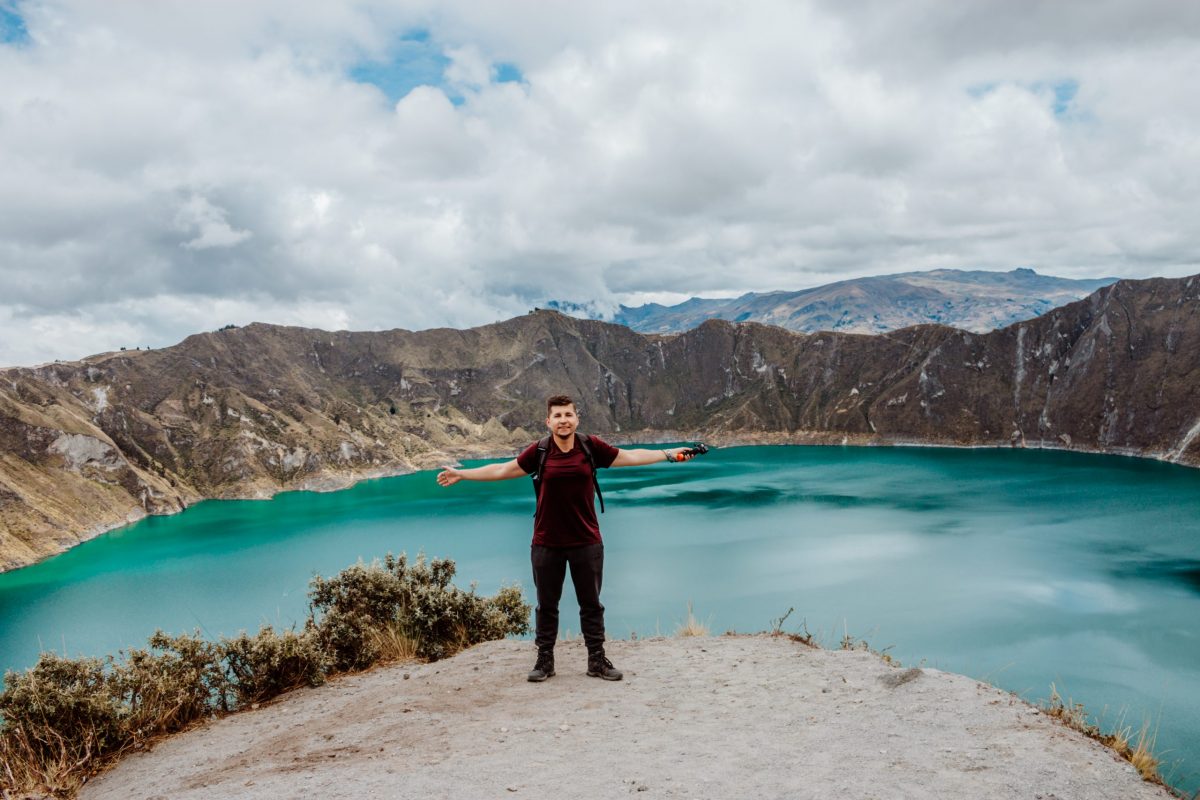
Quilotoa Lake
Just wow. We were 3900 meters above the sea in front of an inactive water-filled crater lake belonging to the most western volcano in the Ecuadorian Andes.… and we were so happy that the weather was so clear! It was 2 degrees Celcius (35.6°F) but it felt like 10-12 (50-54°F).
You have several activities from there: you can explore the local communities, do a loop around the lake, or go all the way down to the lakeshore itself. It was “only” 220 meters elevation to deal with on the way back, so we decided to go down and see the dead water in the lake.
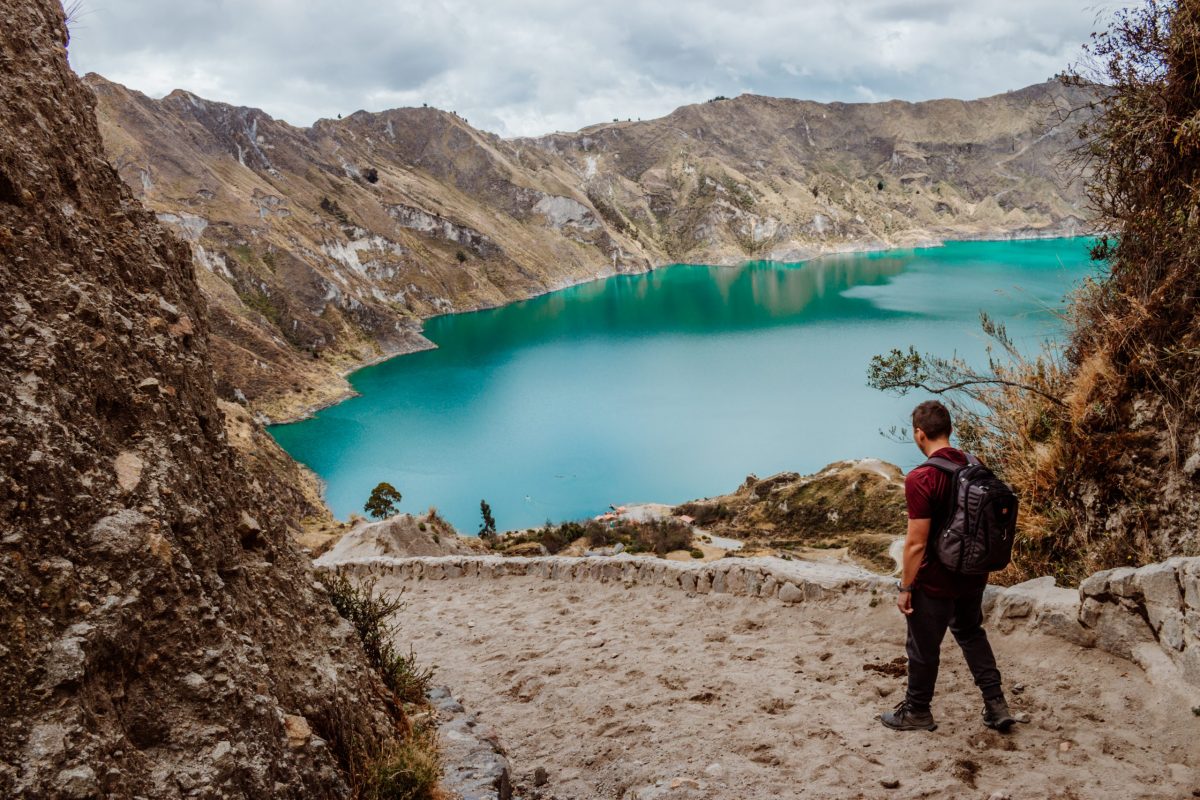
Quilotoa Lake
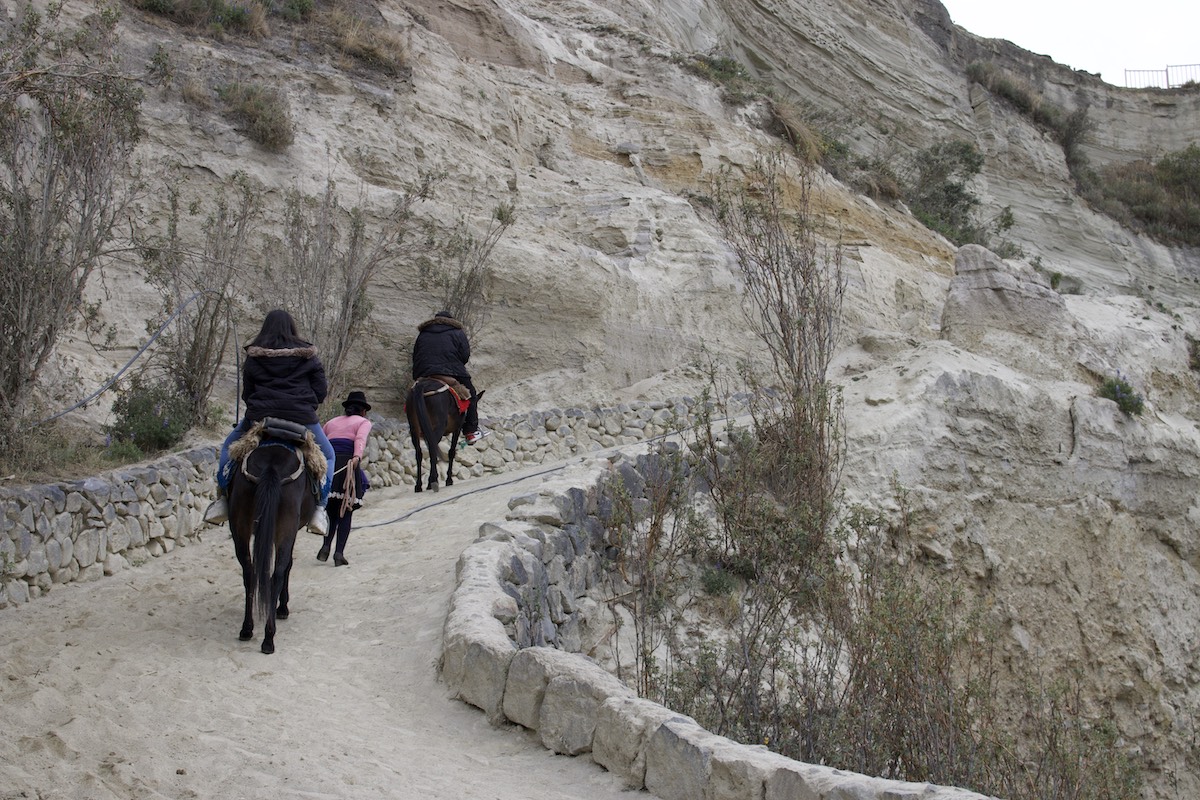
The hiking trail was absolutely stunning, although there were a lot of people on the way back who had been left exhausted by the elevation. Many were using mules to get all the way back and I felt so sorry for those poor creatures.
Finally, we were in front of the lake. The water isn’t suitable for swimming but you can rent a kayak for 6 US dollars for 30 minutes.
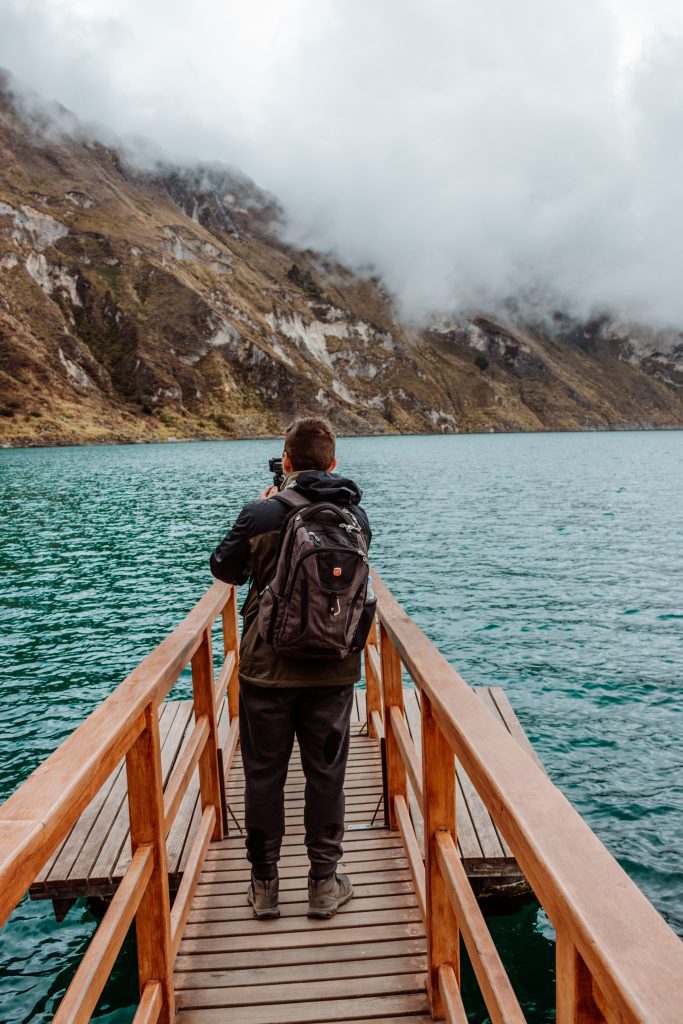
Quilotoa lake
We spent about an hour kayaking in the crater and I can highly recommend this experience to everyone. It’s hard to describe the feeling but it’s like you’re on a different planet. However, all good things must come to an end: the clouds were coming towards us and the weather started getting worse.
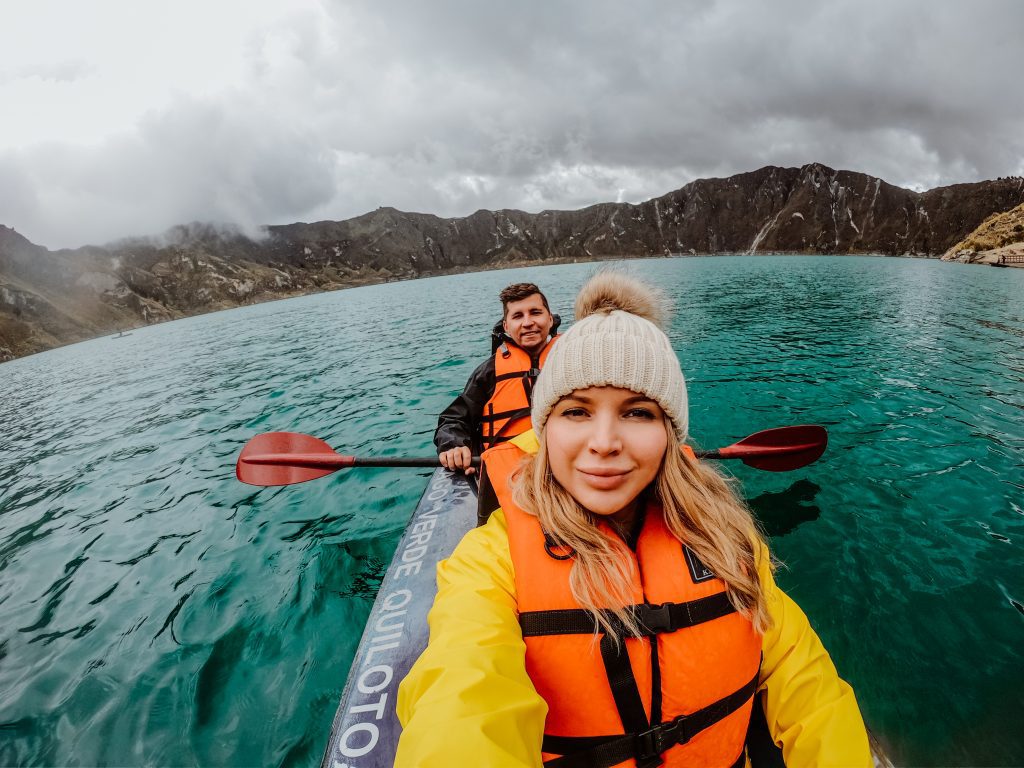
Kayking in Quilotoa Lake
Eventually, we grabbed a few snacks and headed back. 220 meters in elevation may seem low, but not at 3900 meters! It took us almost 3 hours to reach the parking lot! We were so exhausted that we were even ready to rent a mule, despite how sorry we felt for them. However, you had to rent them right at the beginning at the bottom.
By the time we reached the peak, there were no views of Quilotoa lake anymore. Time to eat and refuel! We stopped in at a local place and had lunch – crema de choclo (2 dollars), lomo a la plancha (6 dollars), trucha a la plancha (6 dollars), batidos (2 dollars), and chocolate (2 dollars).
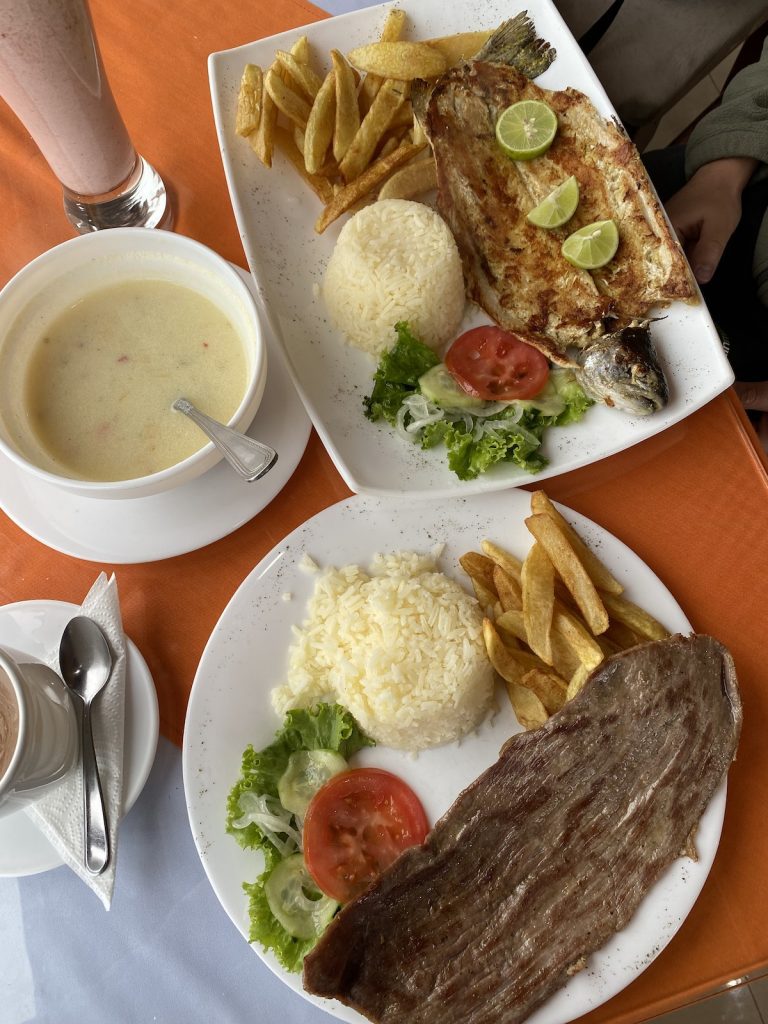
It was a great meal after such an adventure and we were so satisfied with the day as we drove back to the hotel.
At the hotel, the host had prepared a surprise dinner for us! It was a local white fish (Corvina) and was honestly the best meal I had during the whole trip (although my wife would disagree).
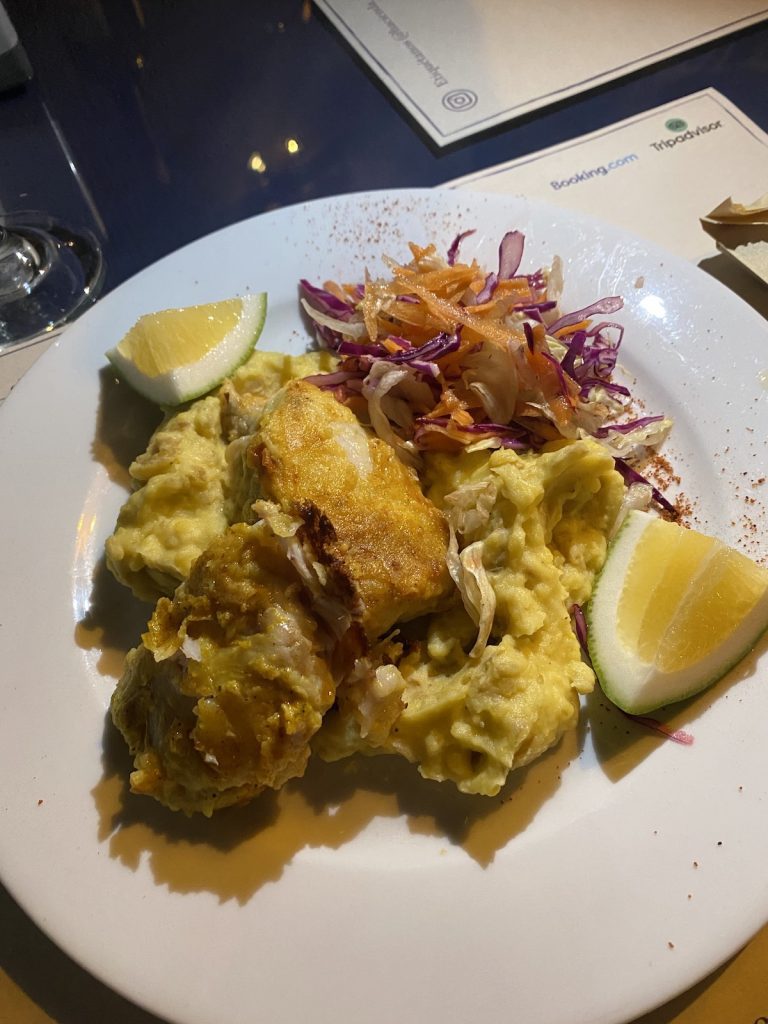
I don’t remember the last time I destroyed a fish dinner like this. While this was probably because I was so hungry after the intense day, I’d still suggest that, if you decide to stay at Hacienda, you make sure to ask for such a dinner! It cost us 27 US dollars for two people and it was totally worth it.
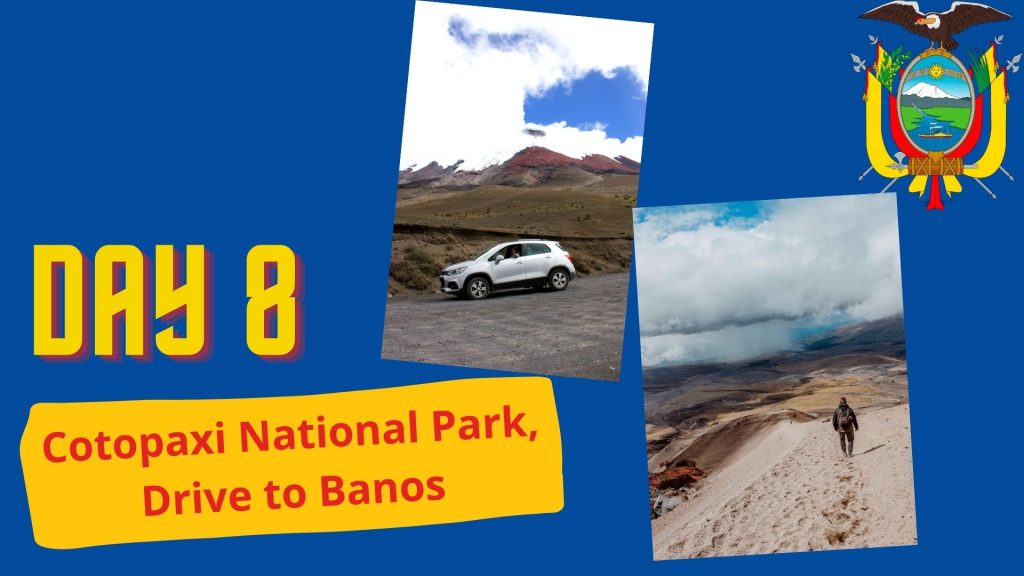
Day 8 (Cotopaxi, Driving to Banos)
The next day, we headed to Cotopaxi National Park. Can you guess what the weather forecast was? It was exactly the same story as Quilotoa.
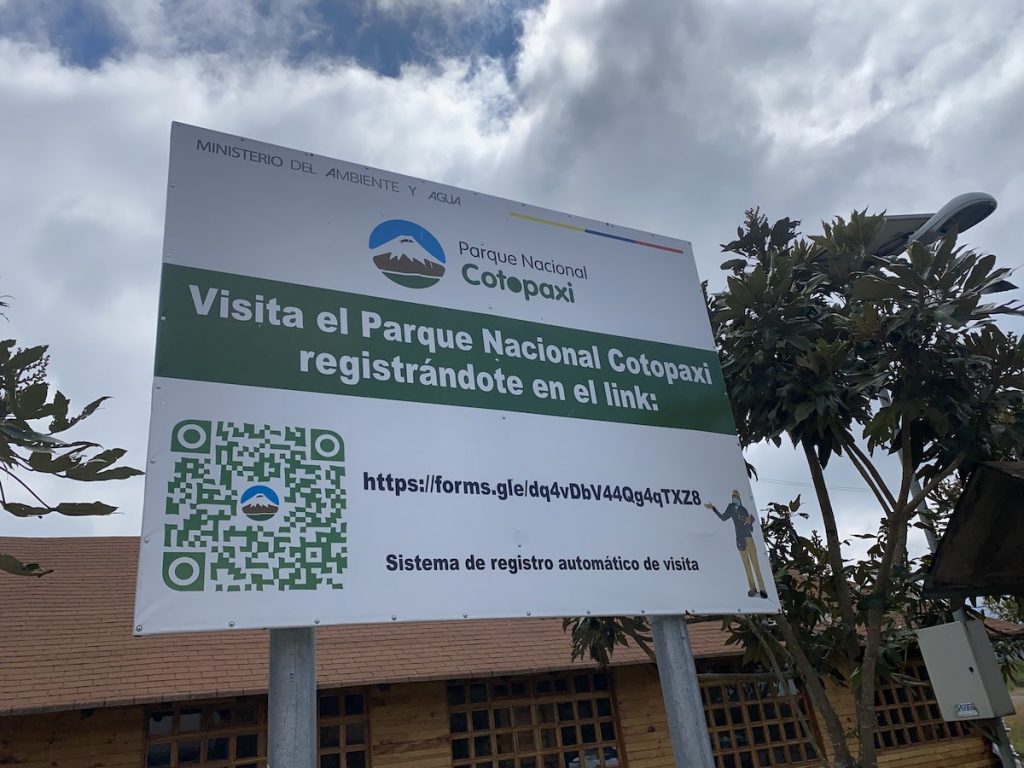
When we reached Cotopaxi National Park we found out that we needed to register. Surprisingly, however, there was no admission fee.
After entering, the rangers remind you of the strict speed limit (30 km/h) and off you go. Keep in mind, however, that the pavement ends after 2 kilometers and the road just keeps getting worse and worse.
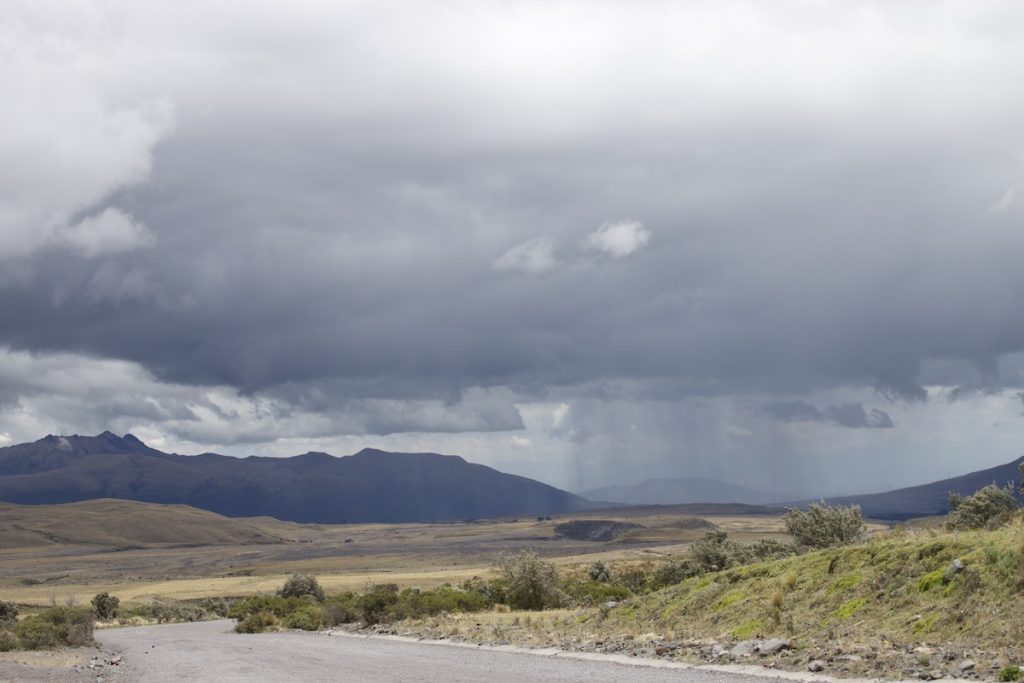
Cotopaxi National Park
Laguna de Limpiopungo (Latacunga)
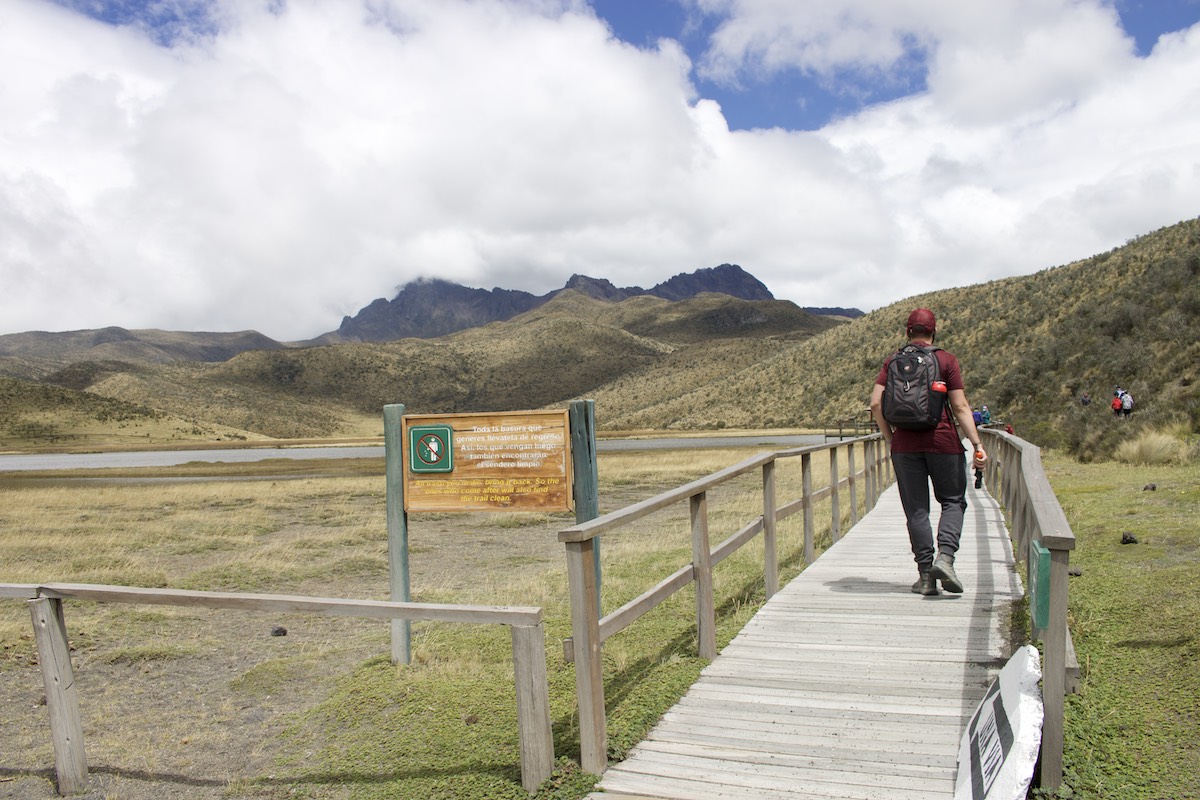
The first stop on our route was Laguna de Limpiopungo (Latacunga). It’s a scenic lagoon that offers beautiful views. When the weather is good, it’s even possible to see the reflection of the Cotopaxi volcano.
Laguna de Limpiopungo
The hike is flat and easy and, if you’re lucky, you can spot live horses roaming around (we only spotted wild horse poops).
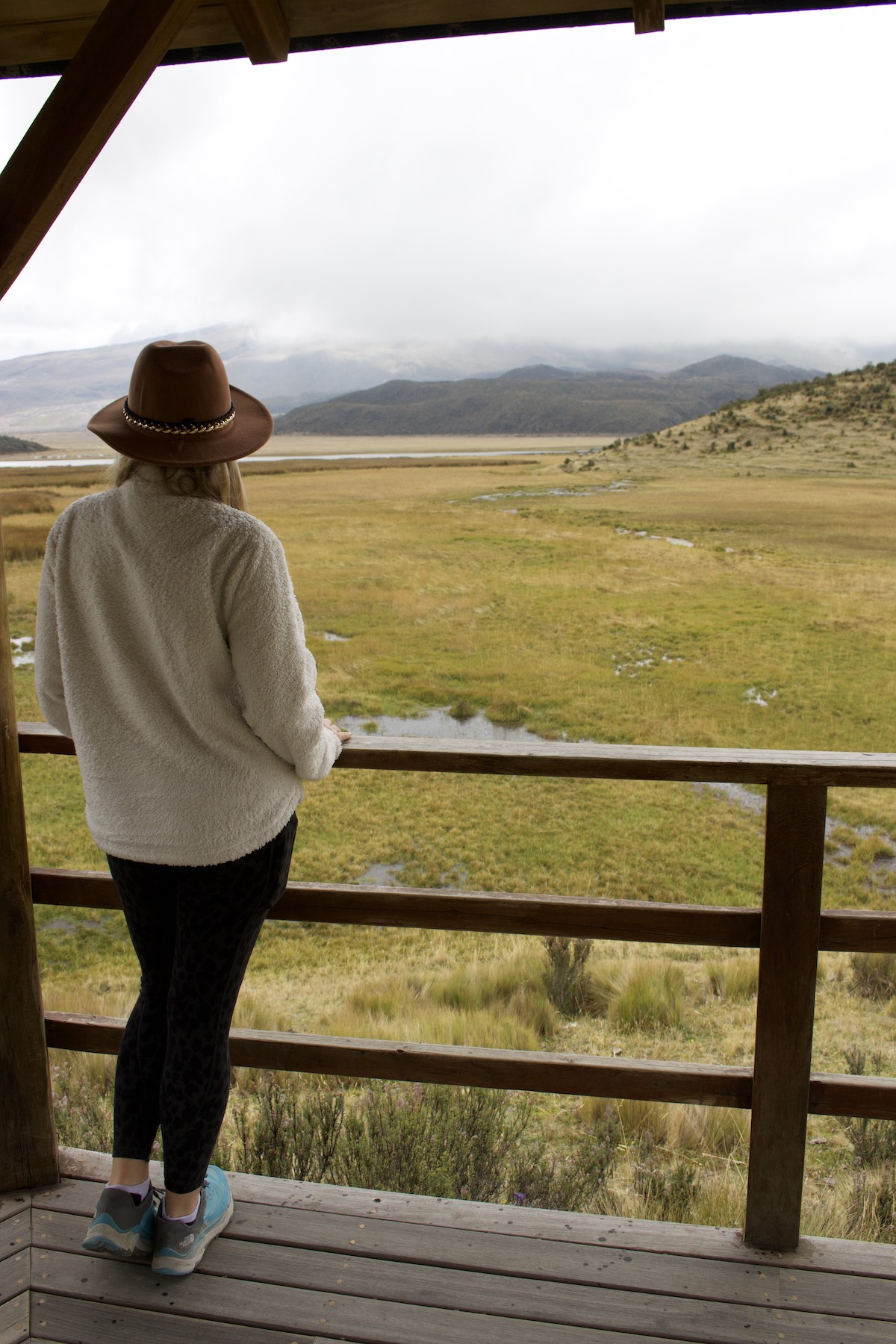
Laguna de Limpiopungo
While the landscape here is unreal and stunning, just wait for the next spot…
Cotopaxi Volcano
Finally, time to visit one of the most popular spots in Ecuador! We drove all the way to try and hike one of the highest active volcanoes named Cotopaxi and get as close to its 5000-meter peak as possible!
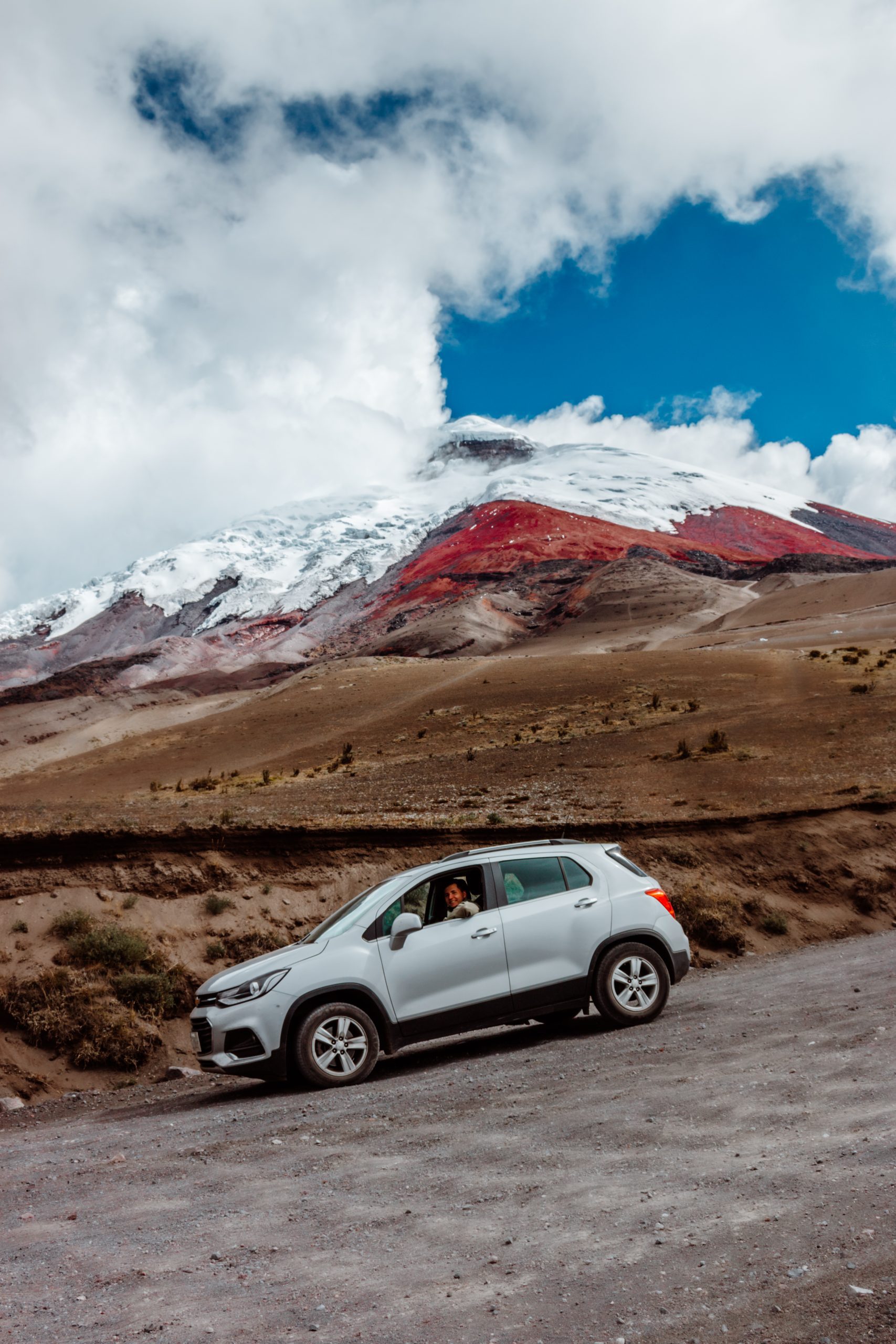
Cotopaxi Volcano
The most common hike is from the parking lot (4600 meters above sea-level) to Refuge Jose Ribas (4800 meters). If you’re about to drive into the parking lot like we did, make sure you’re in a car with high clearance.
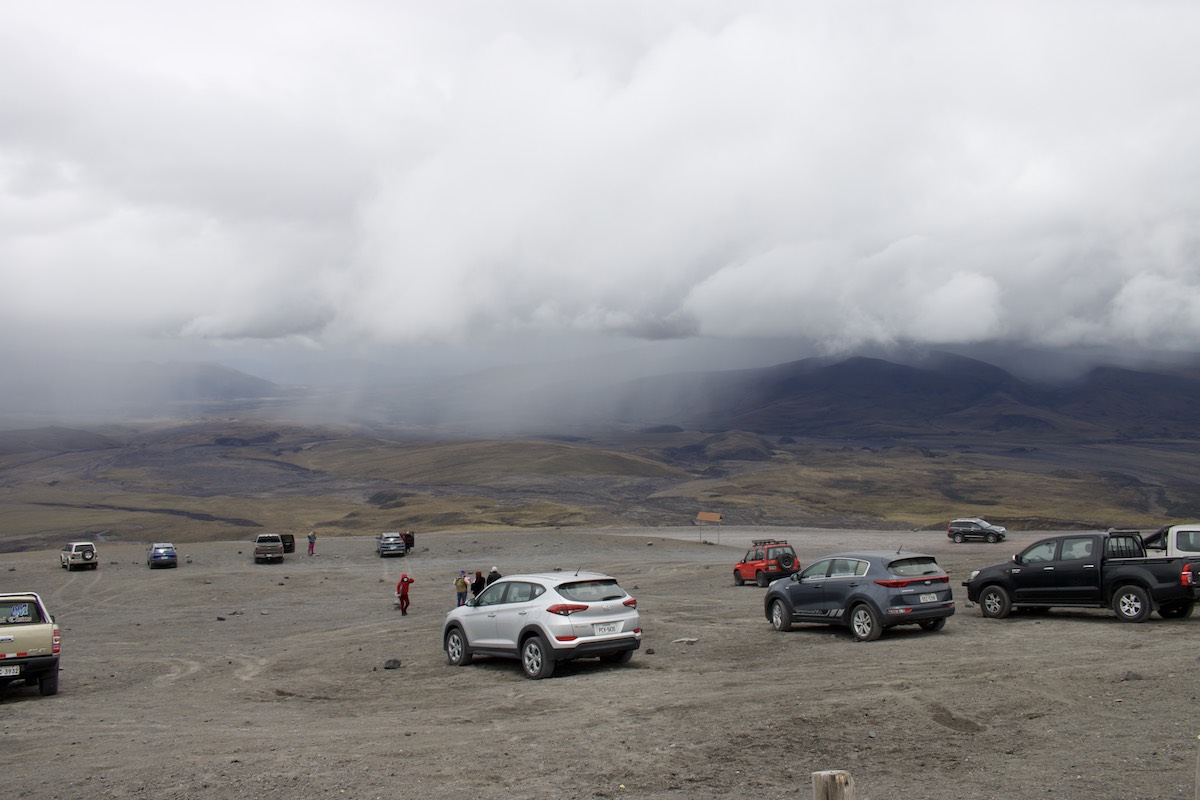
Parking lot by Cotopaxi Volcano
You’re going all the way up a terrible road and I had to push on the gas non-stop because the car was so much slower than usual at such an altitude.
When we reached the parking lot, we weren’t actually able to see the peak.
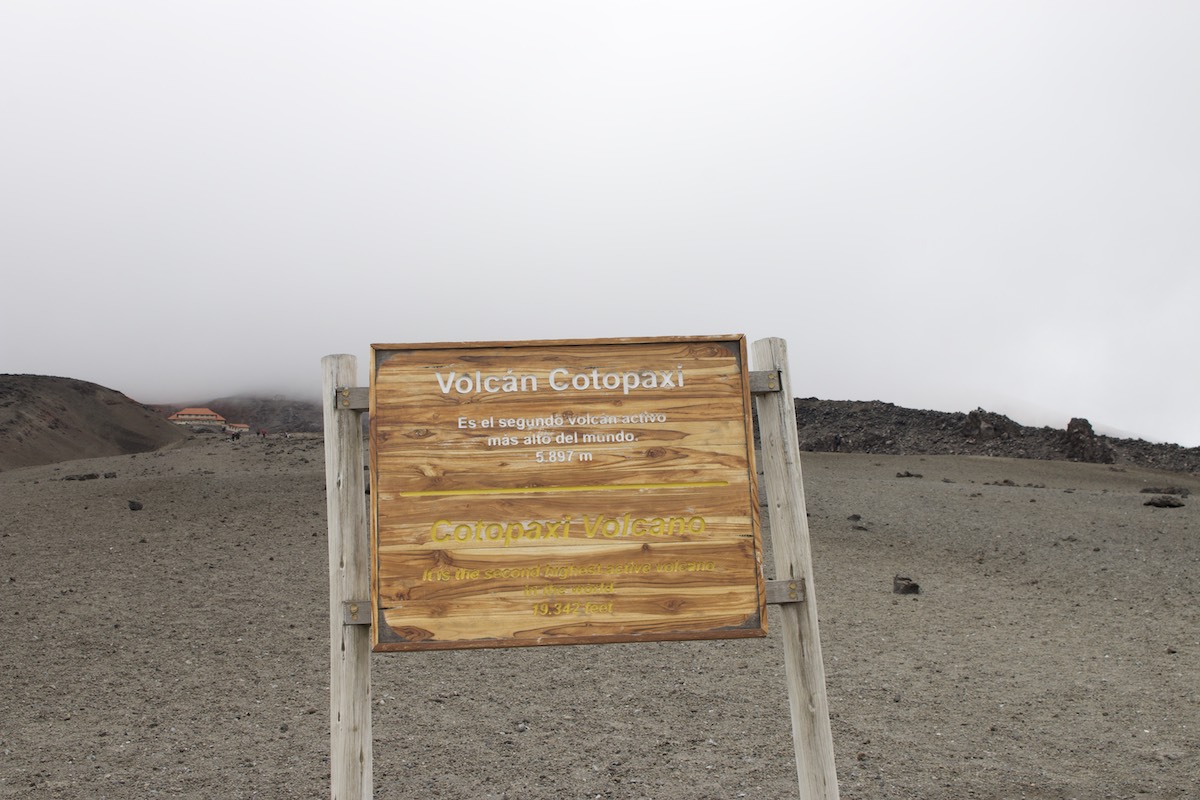
Oh well, the weather was constantly changing. We hiked all the way up to Refuge Jose Ribas (4800 meters), which took us about 2 and a half hours! It was hard to hike at such an altitude but so worth it.
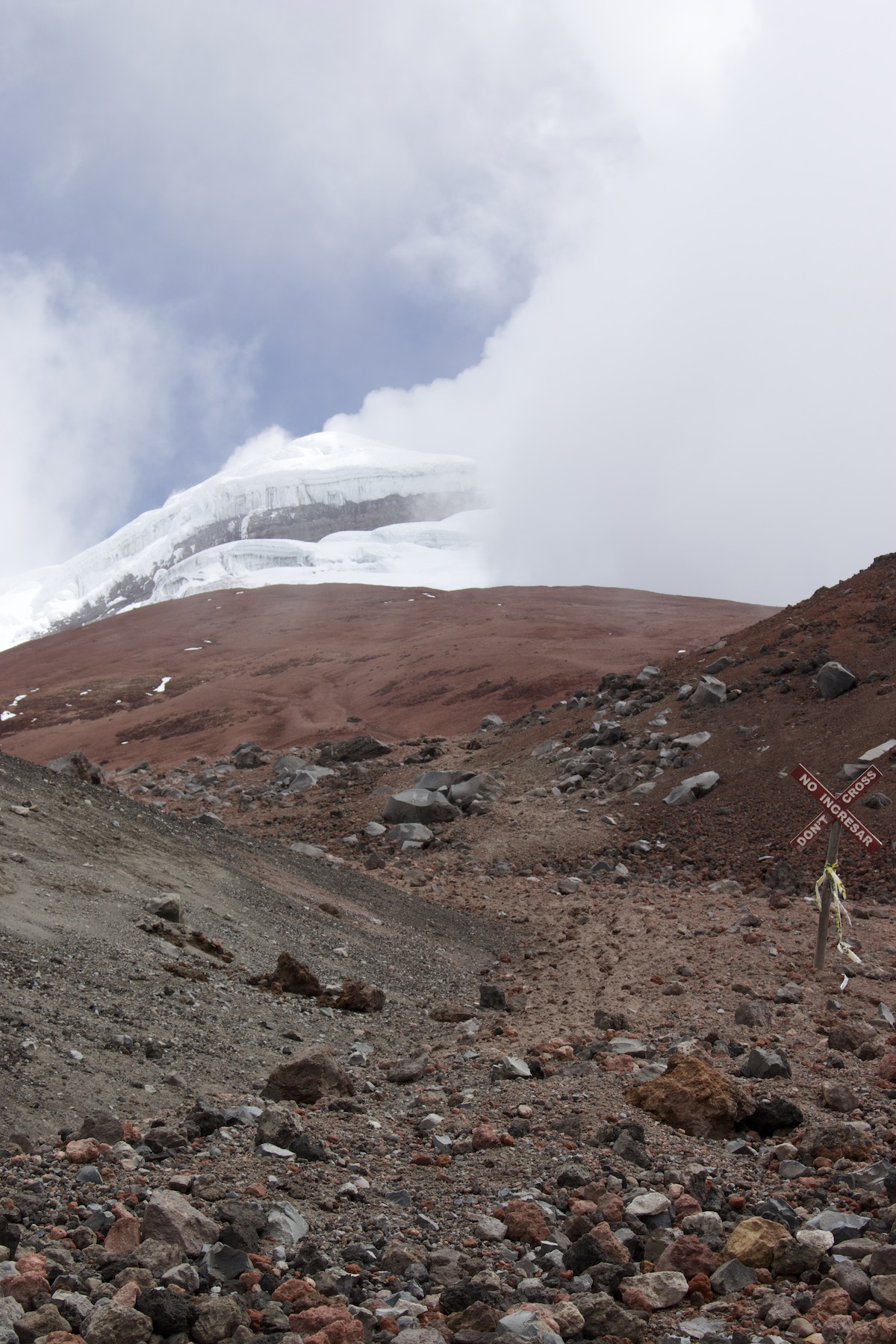
I felt euphoric the whole way, I mean just look at that:
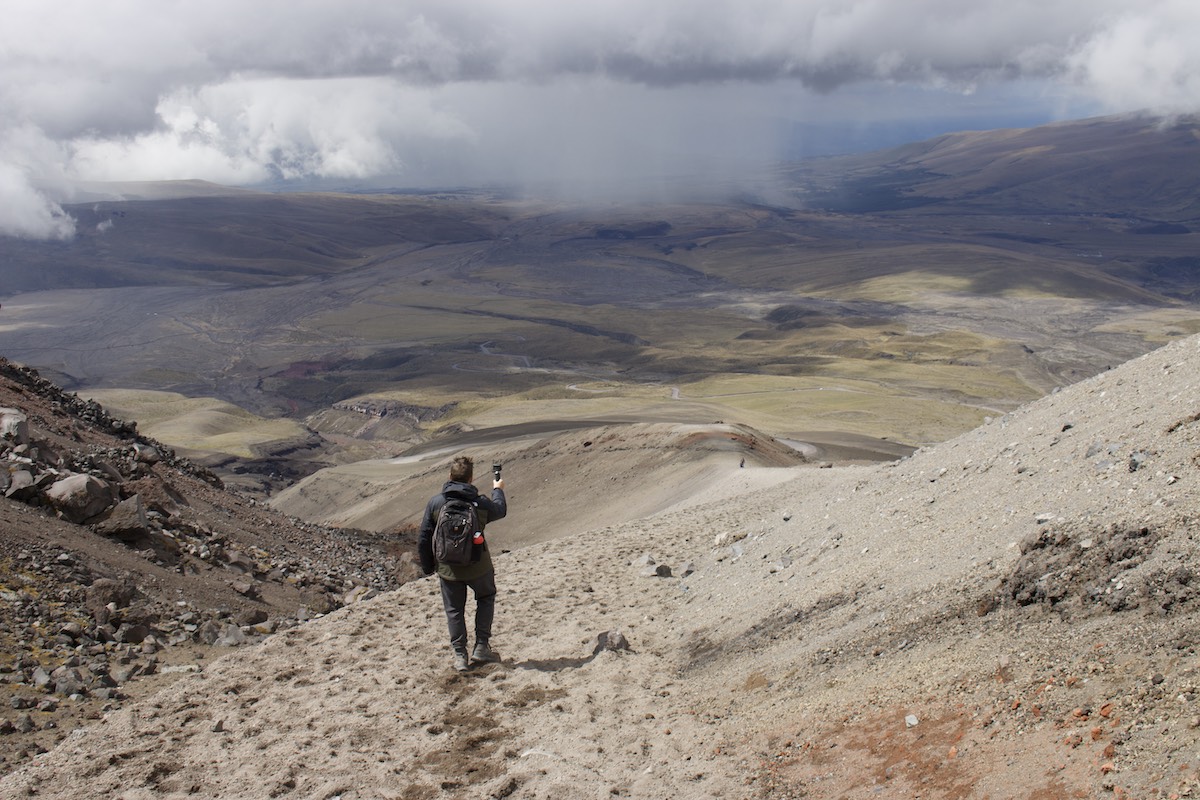
The red eruption looks like Mars and the view to the valley… Just unreal!
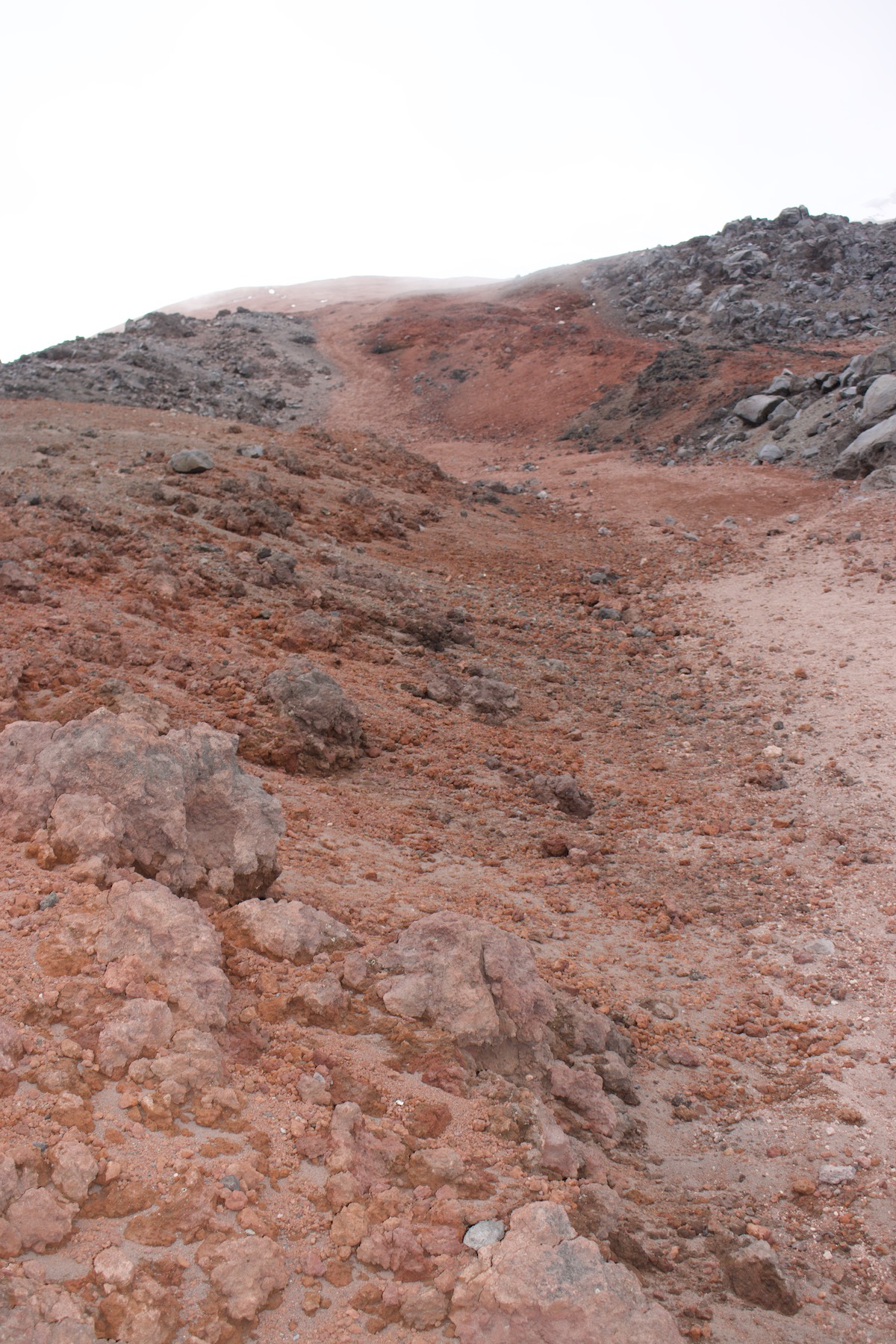
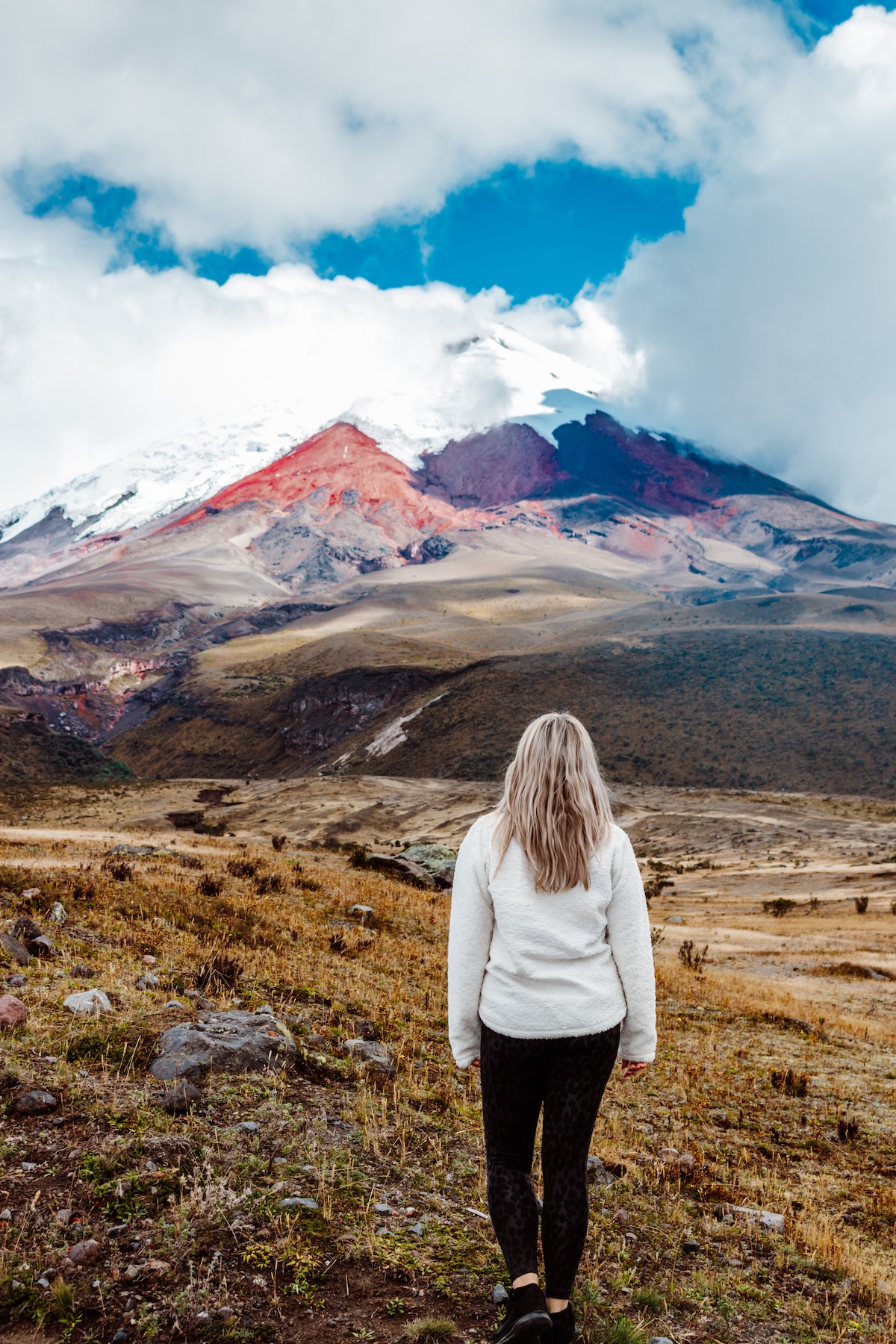
The weather was changing constantly … we’re talking every 30 seconds or so! The peak was hidden and then could suddenly be seen clearly every once in a while.
There was a little cafe at Refuge Jose Ribas, as well as an overnight shelter for those who were intending to climb all the way to the summit. We spent 10 US dollars on these snacks:
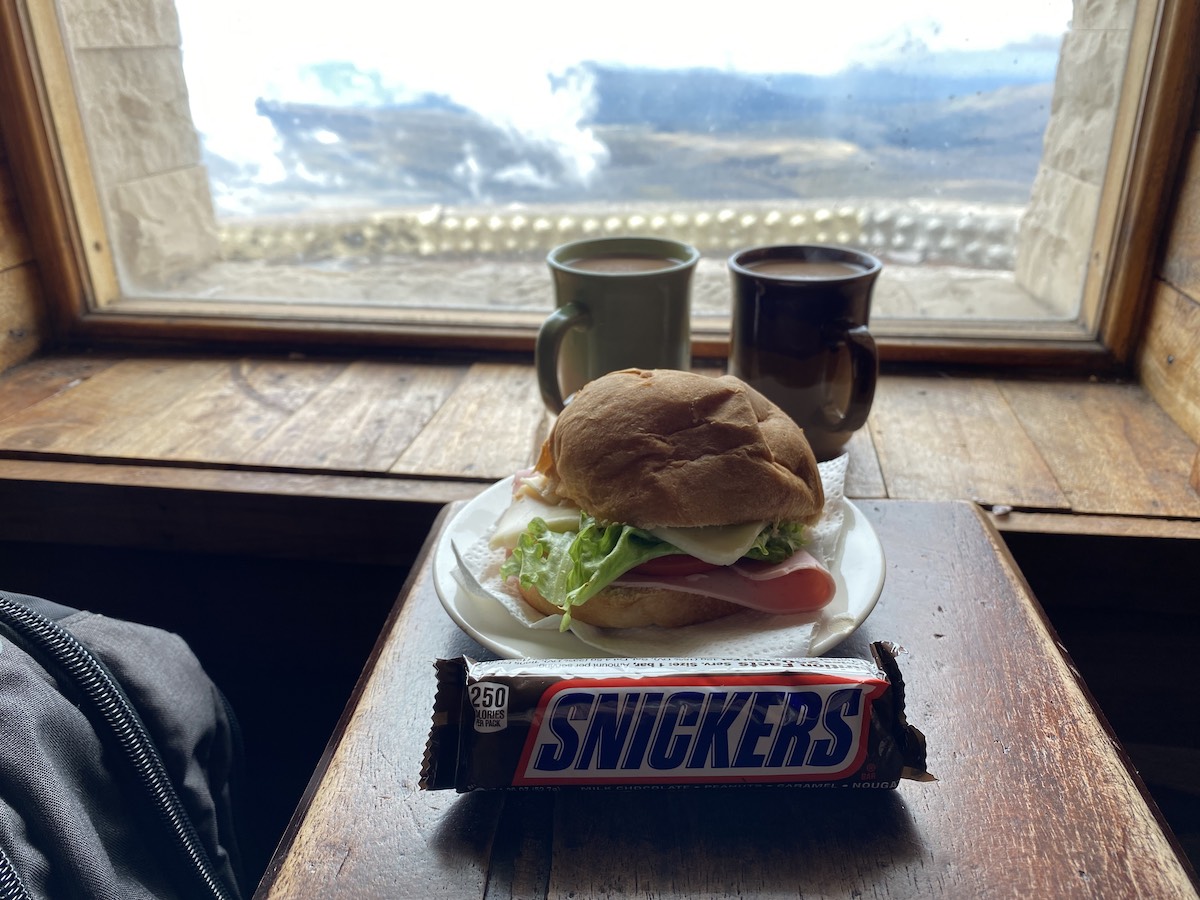
I would definitely recommend grabbing enough snacks and water.
We wanted to climb more to reach the 5000-meter mark but the glacier had started melting and we didn’t have the proper equipment, not to mention zero experience. In fact, if your intention is to reach the summit, then it’s best to get a guided tour. The highest point we reached on that day was 4908 meters.
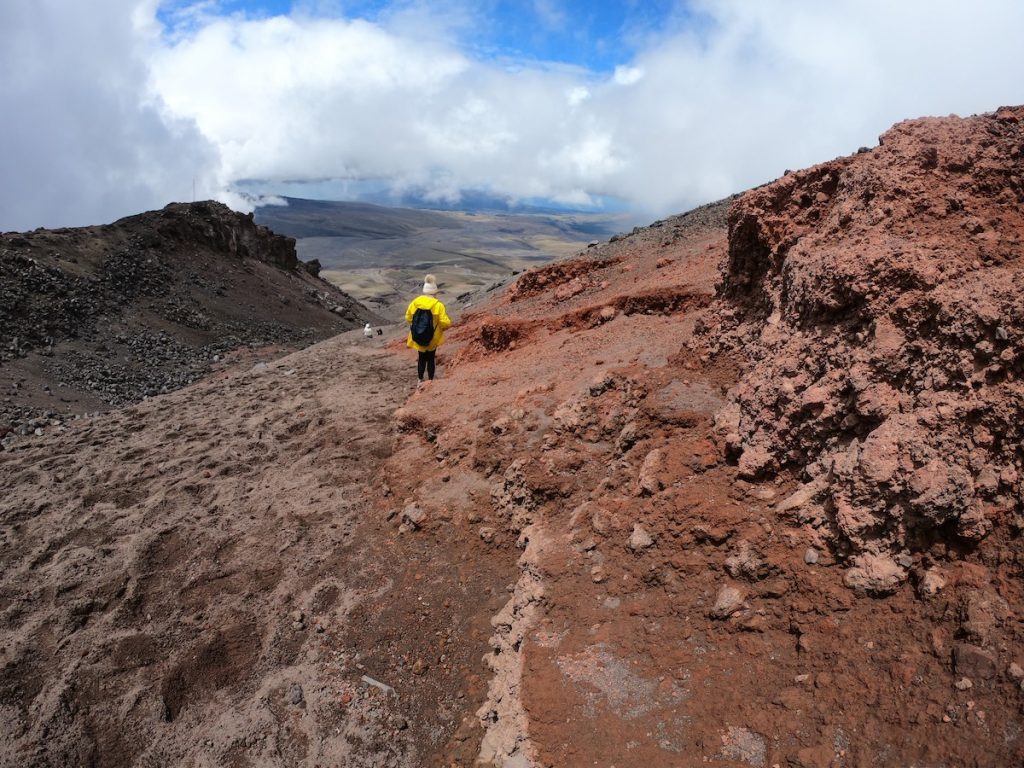
I highly recommend going to Cotopaxi National Park. I was so tired after such an amazing day but the trip wasn’t over – we had to drive to our next destination to see in Ecuador – city of Banos.
Banos (the city of bathrooms) is an extremely popular destination for both tourists and locals. This is for a few reasons:
- Unique nature
- Many waterfalls and thermal baths
- Huge variety of different extreme activities (like rock climbing through waterfalls, bungee jumping, rafting, and paragliding) and not so extreme activities (like zip lines, canoeing, and biking tours)
- Nice infrastructure including many hotels, restaurants, and everything you need to enjoy a nice weekend
It was a 2-hour drive. When we arrived, we were so exhausted that we just ordered pizza, had a shower, and fell asleep.
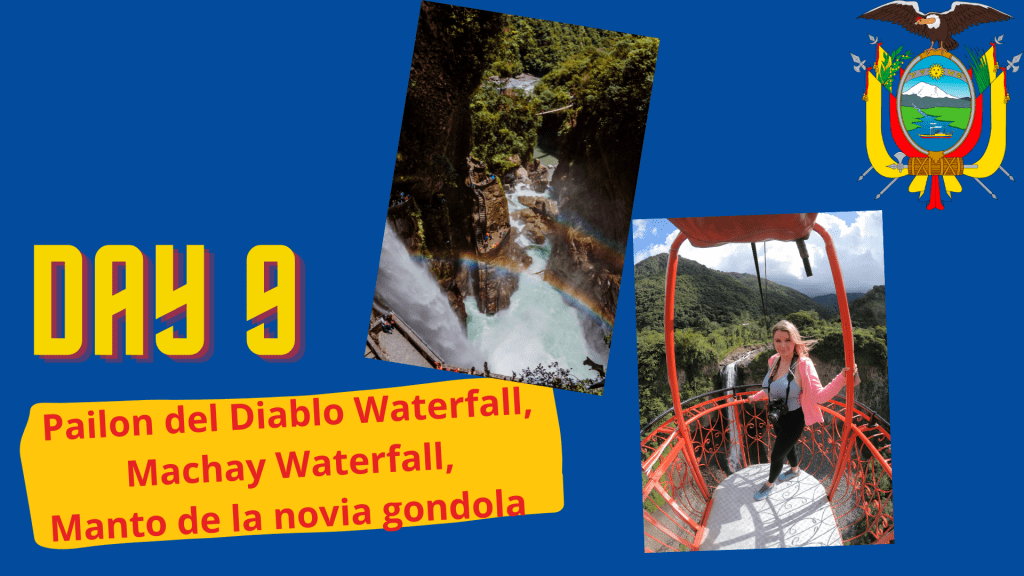
Day 9 (Pailon del Diablo Waterfall, Cascada Machay, Manta de la novia)
New day, new adventure. According to the weather app, it was supposed to be rainy (even snowy one day) with a temperature of about 5-10 degrees… In reality, it was sunny and reached 30 degrees. That says all you need to know about the weather app.
Banos is an extremely popular town for both tourists and locals. We were there during the weekend and it was crowded! Finally, we were sharing a hotel with someone else.
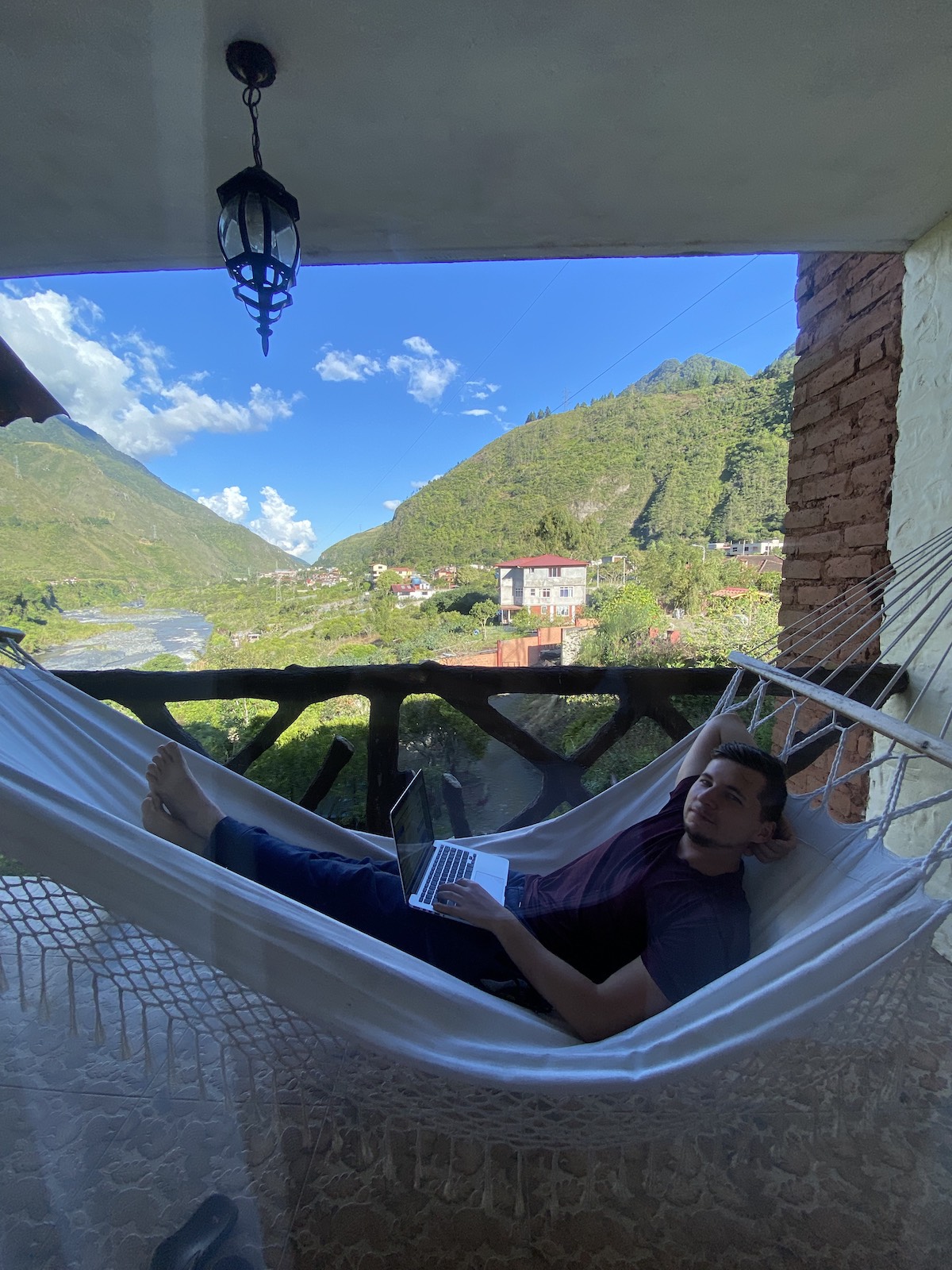
The hotel (Aldea Real Eco Friendly) was so nice, with an amazing balcony view, a good breakfast, and relatively cheap for the area.
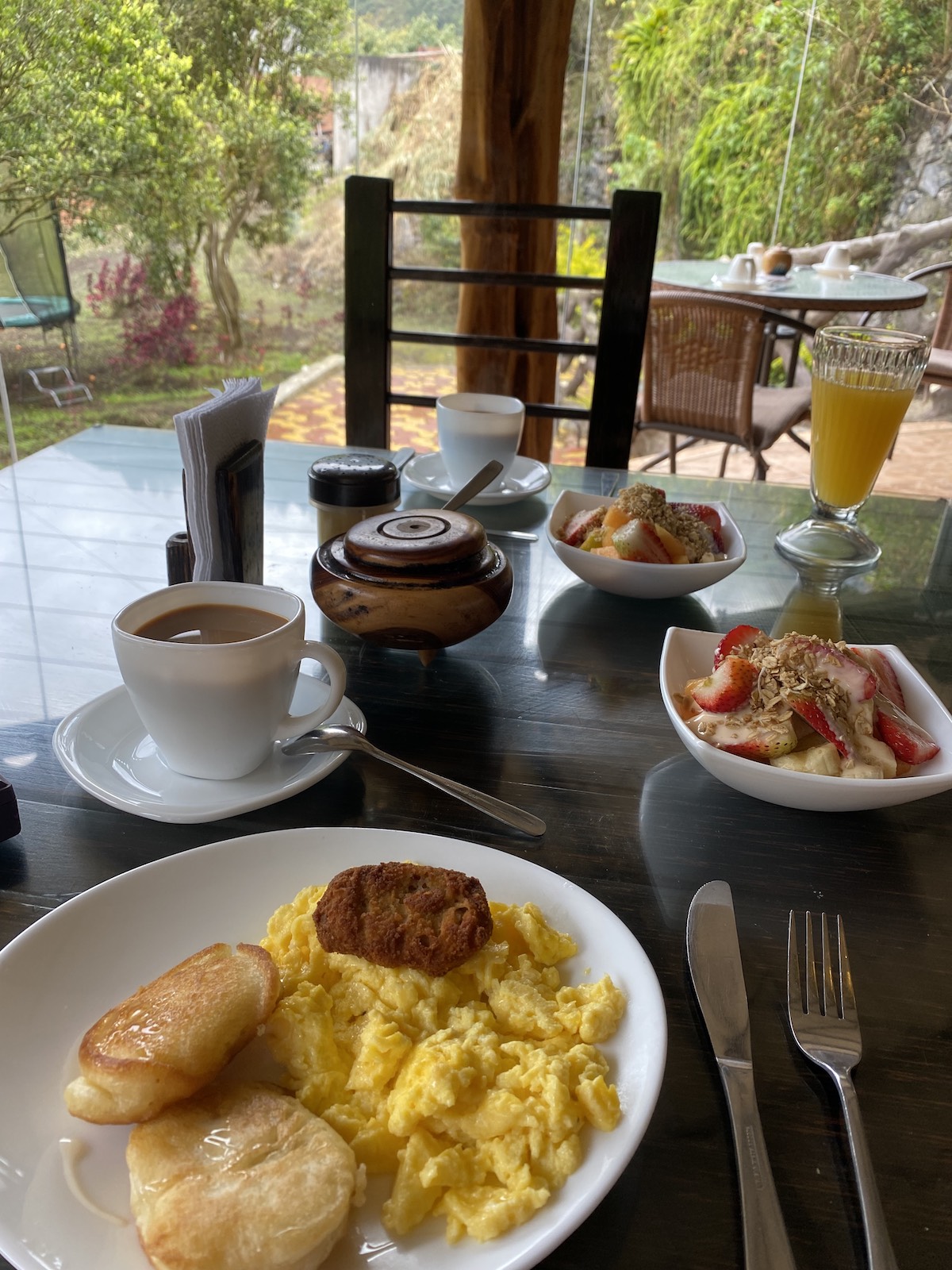
After such a nice morning, we headed to the #1 waterfall to see in Ecuador: Pailon del Diablo Waterfall.
Pailon del Diablo Waterfall
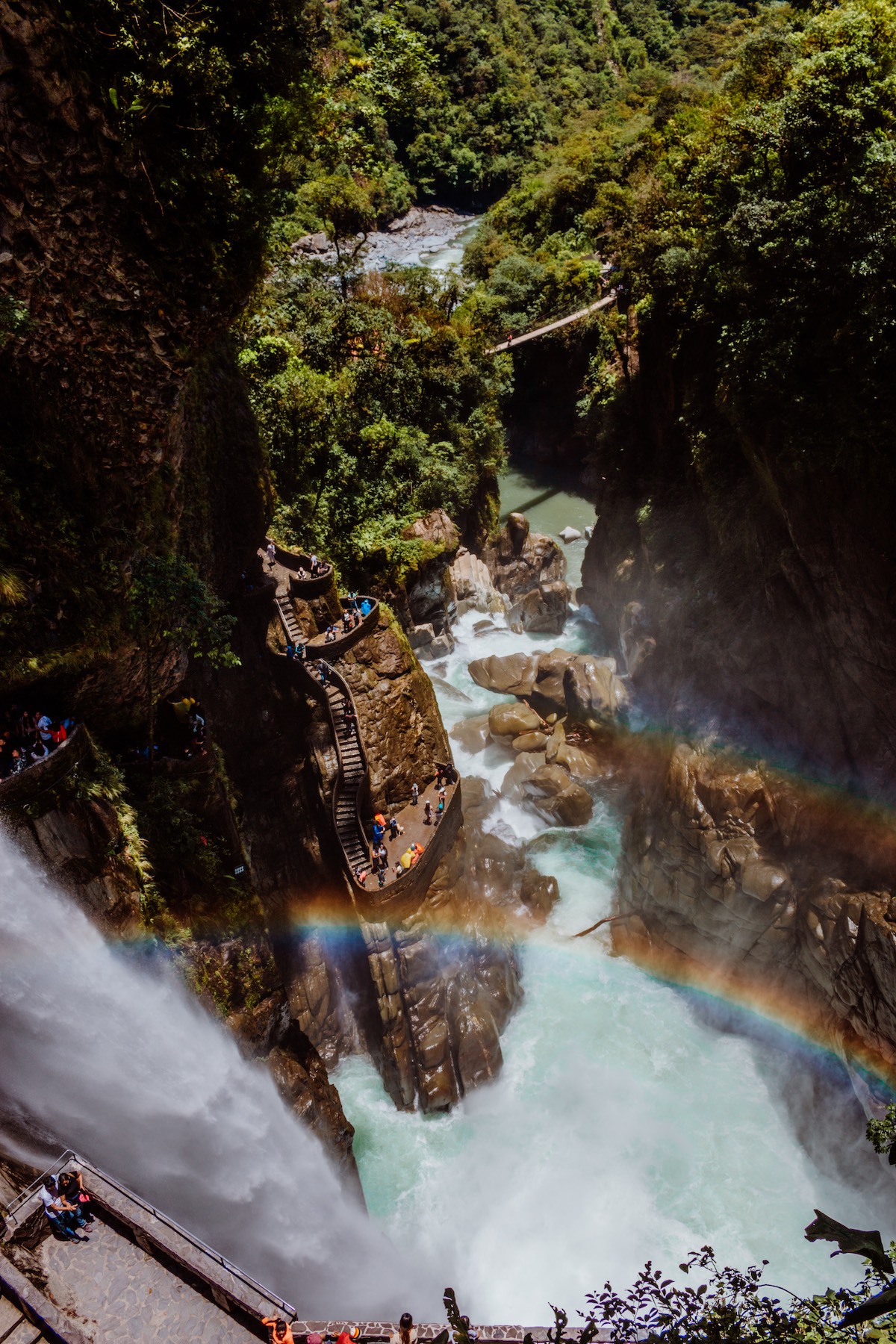
Pailon del Diablo Waterfall
There are two entrances and each asked for a submission of 2 dollars per person. We arrived at 10:30 am, basically when everyone had just finished breakfast, and… It was really unusual to see such crazy crowds in Ecuador. It was crowded as hell!
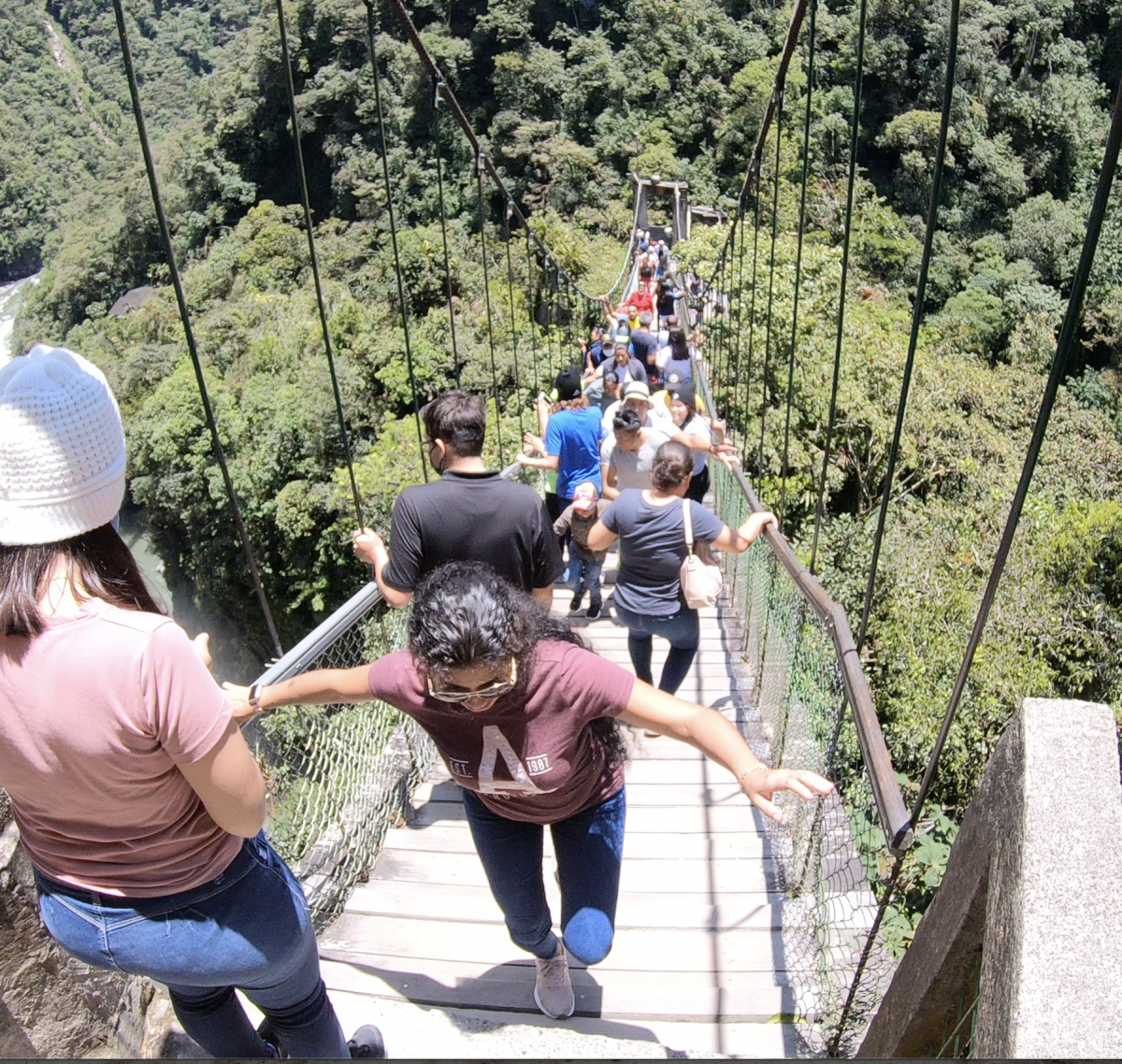
Apparently, we picked the worst day and time to visit Pailon del Diablo Waterfall. Even though it was so powerful and beautiful, such a huge crowd killed everything. This waterfall is marked as one of the best things to do in Ecuador in many ratings so no surprise it was so crowdy. With no one controlling the volume of people, after 10 minutes we decided to leave and come back for a proper visit on Monday morning, so more to come 🙂
Instead, we decided to check out less popular places. The best part about Banos is that there’s just so much to do that you can really pick your own path. Many love their extreme activities. There are so many available here for reasonable prices.
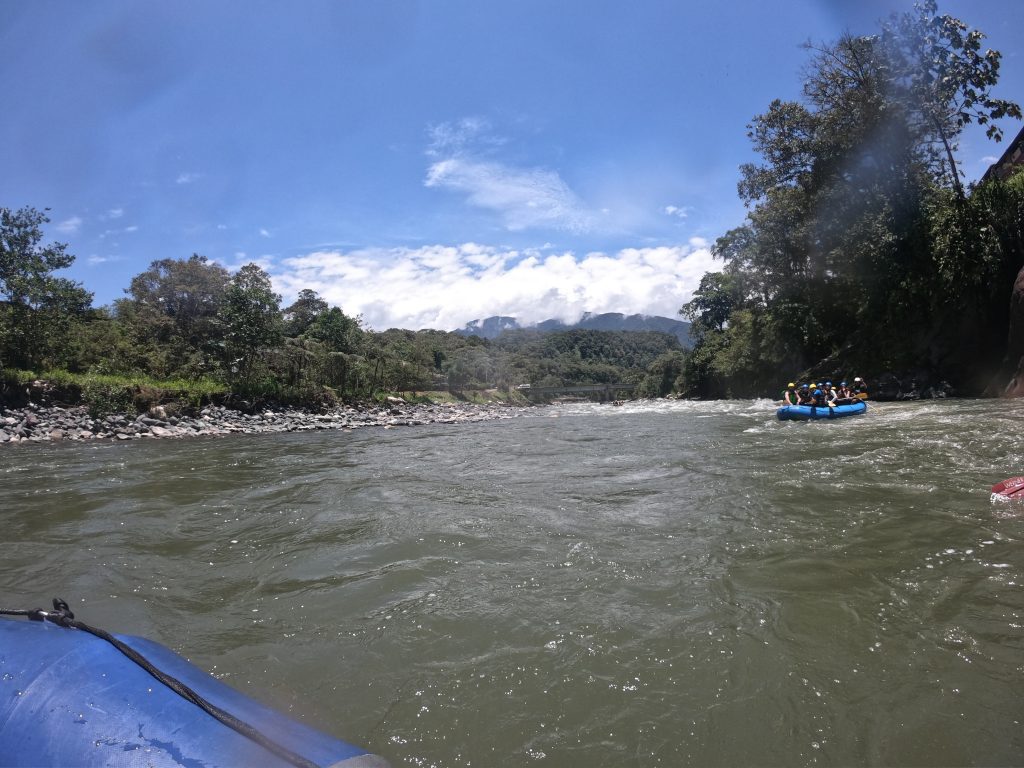
Honestly, we skipped that. After driving and seeing so much of Ecuador, you could tell that there’s not much in the way of health and safety regulations in the country. I wasn’t too sure about the equipment and standards they use for extreme activities… But it’s always a personal decision and that’s just us.
The Waterfall Route (Ruta de las Cascadas)
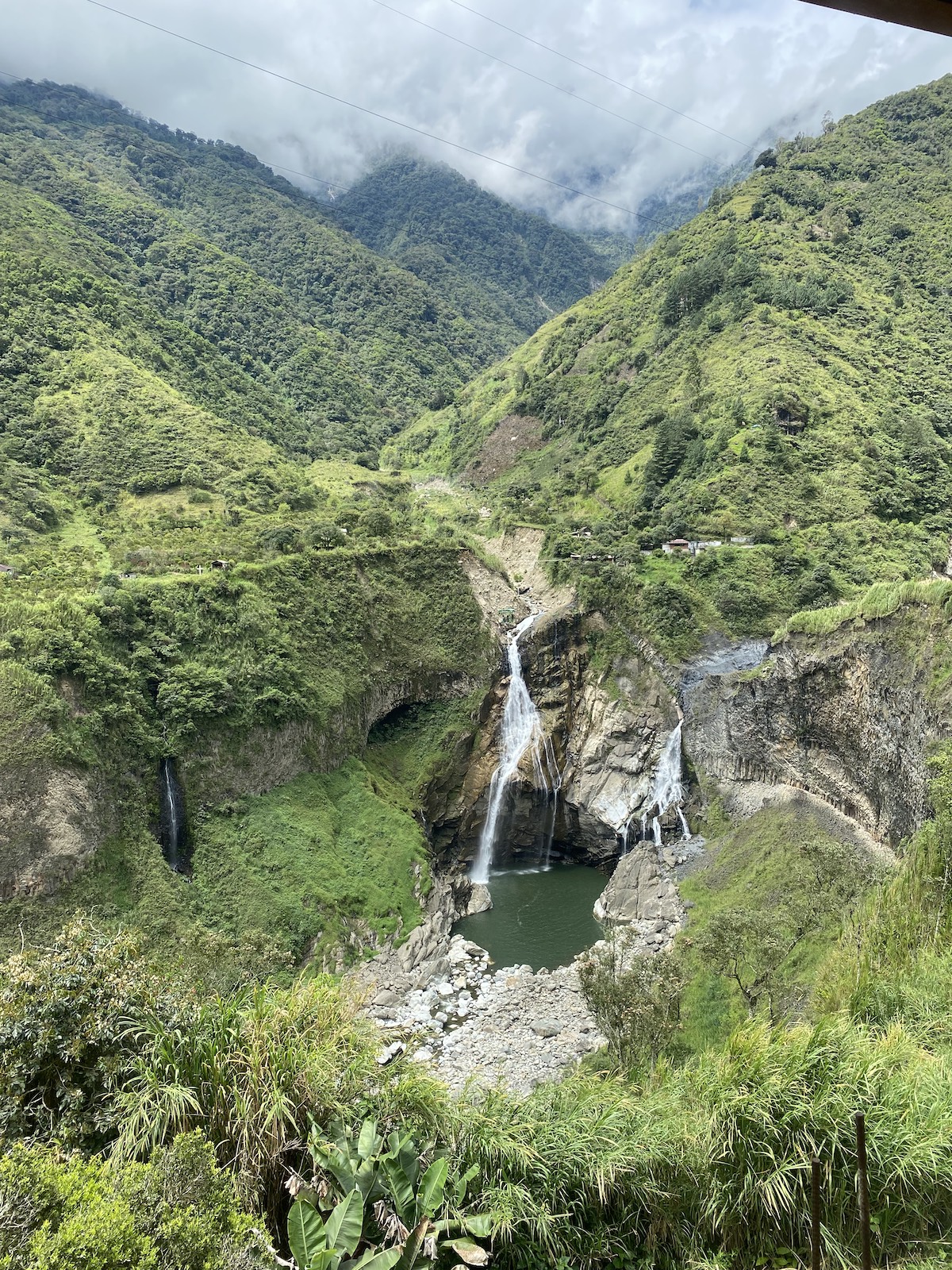
Instead, we decided to check out The Waterfall Route (Ruta de las Cascadas), which is an amazing 61-kilometer road with many waterfalls along the way. If you aren’t planning to rent a car, you can rent an ATV/Buggy to enjoy the route at a rate of 15-20 US dollars per hour.
Machay Waterfall
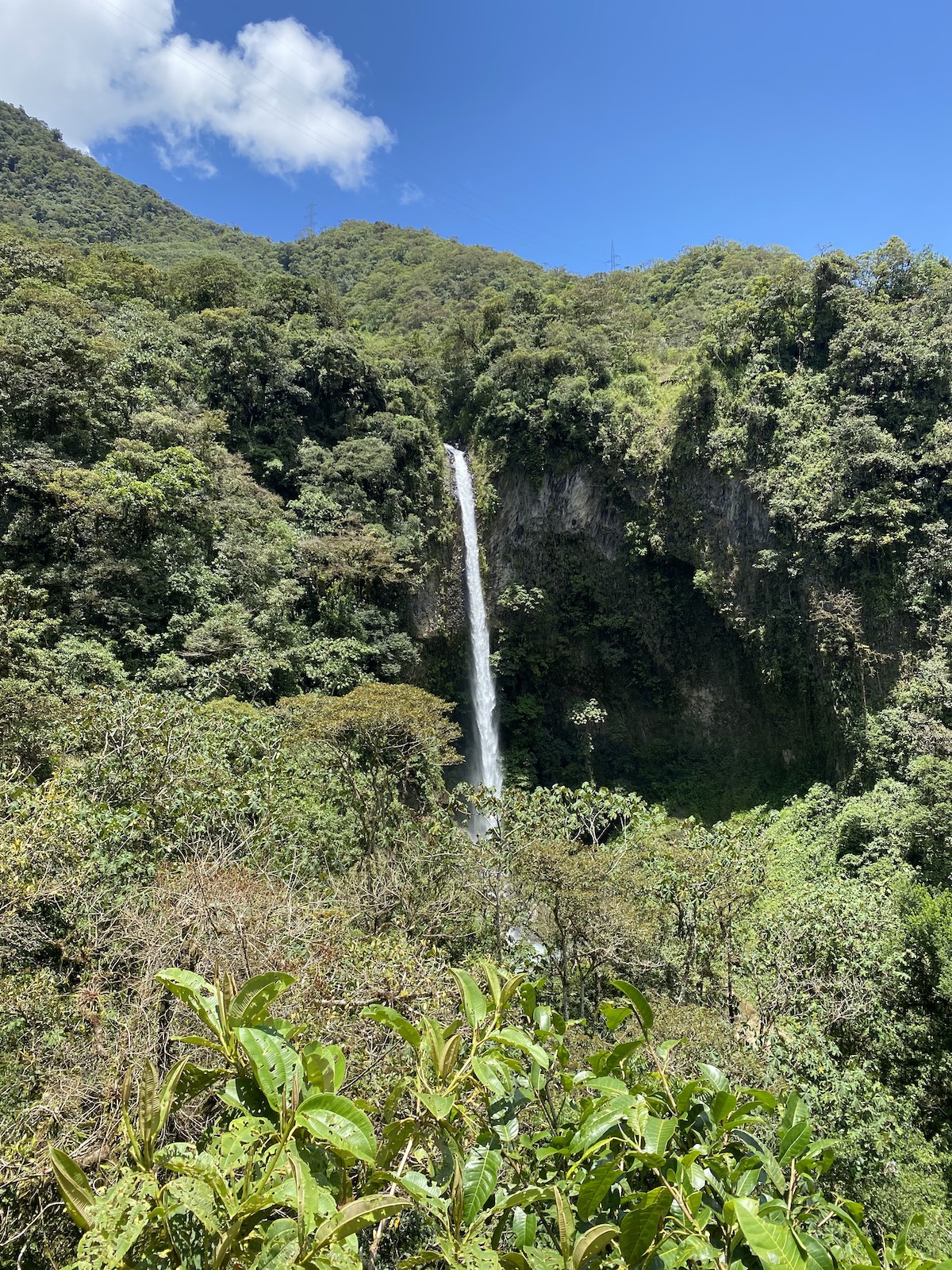
Machay Waterfall
Each waterfall you see along the way is unique, so we decided to randomly stop at the Cascada Machay (admission is 1 dollar per person). There’s a really steep staircase leading down but the atmosphere was amazing.
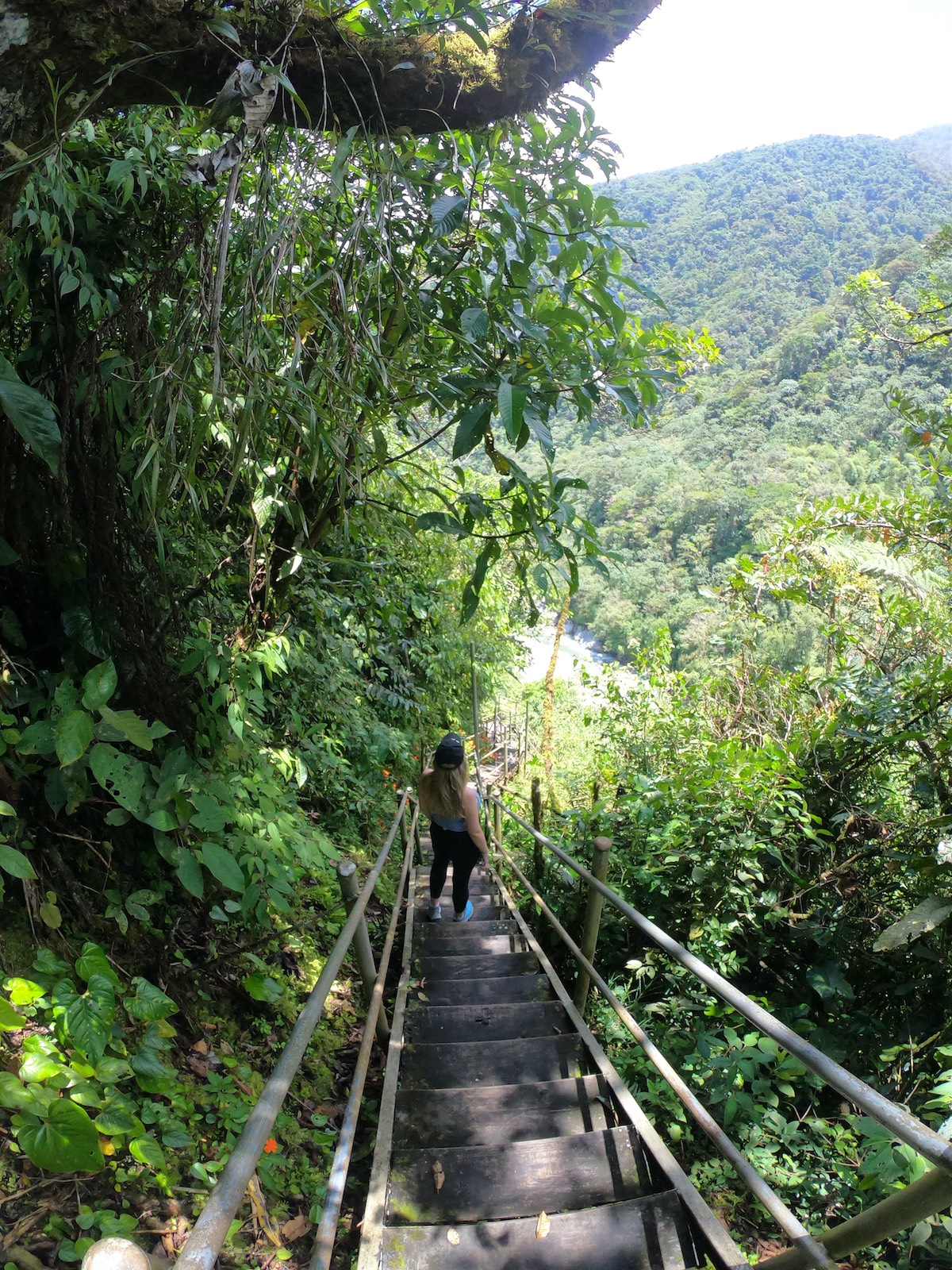
You felt more like you were the tropics, it was so green around and you heard so many wild animals… And we didn’t see a single person!
The waterfall was beautiful. We didn’t expect the weather to be as hot as it was and we found ourselves wishing we’d brought our bathing suits. There were only a few people downstairs so we chilled, enjoyed nature, and had a little snack.
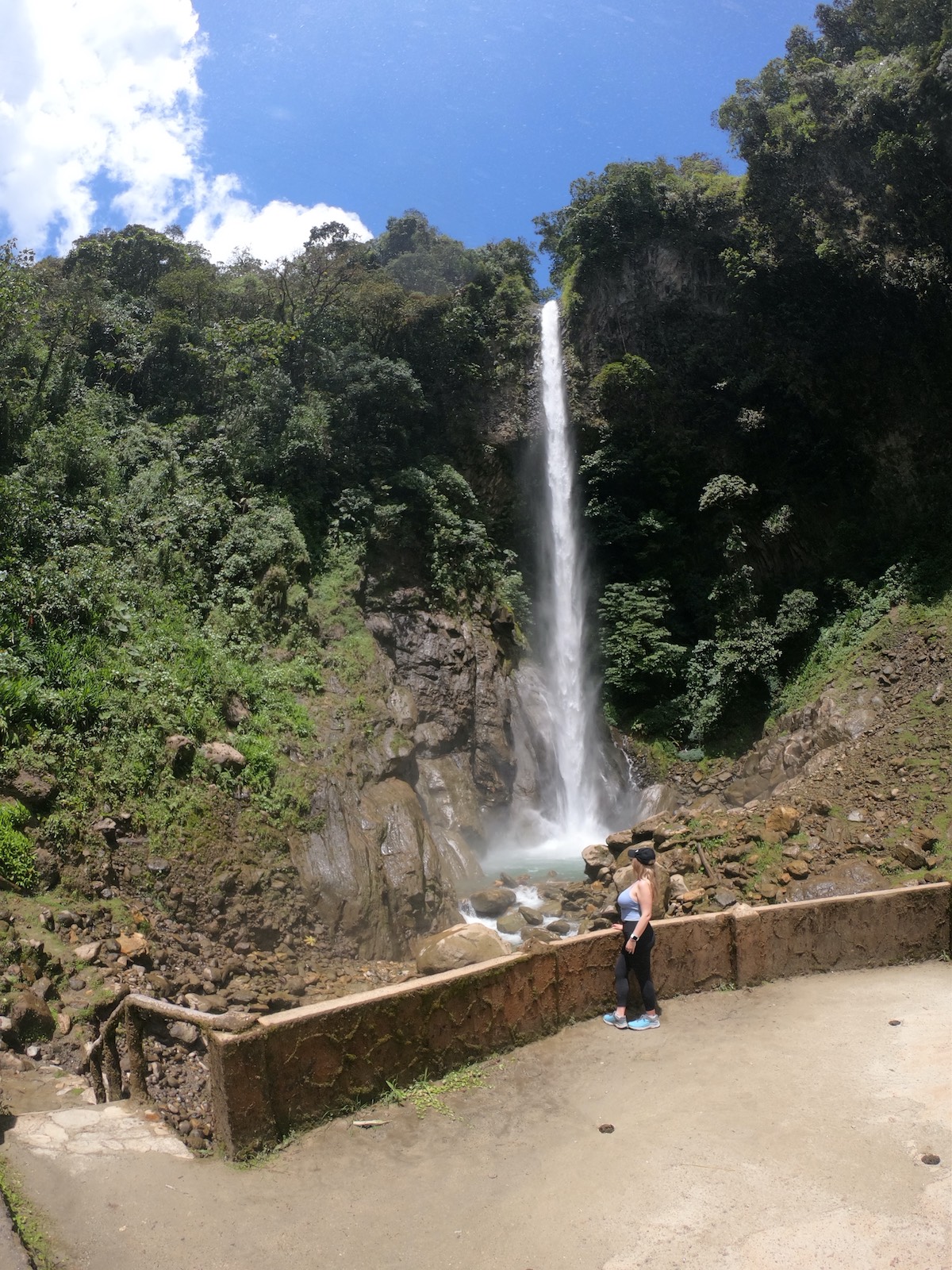
Machay Waterfall
For the journey back, we had to go up 191 meters. We were ready to spend 2-3 hours climbing back… but it only took us 19 minutes! We forgot that Banos is located at “just” 1800 meters above sea-level. We were so happy to be able to breathe properly again.
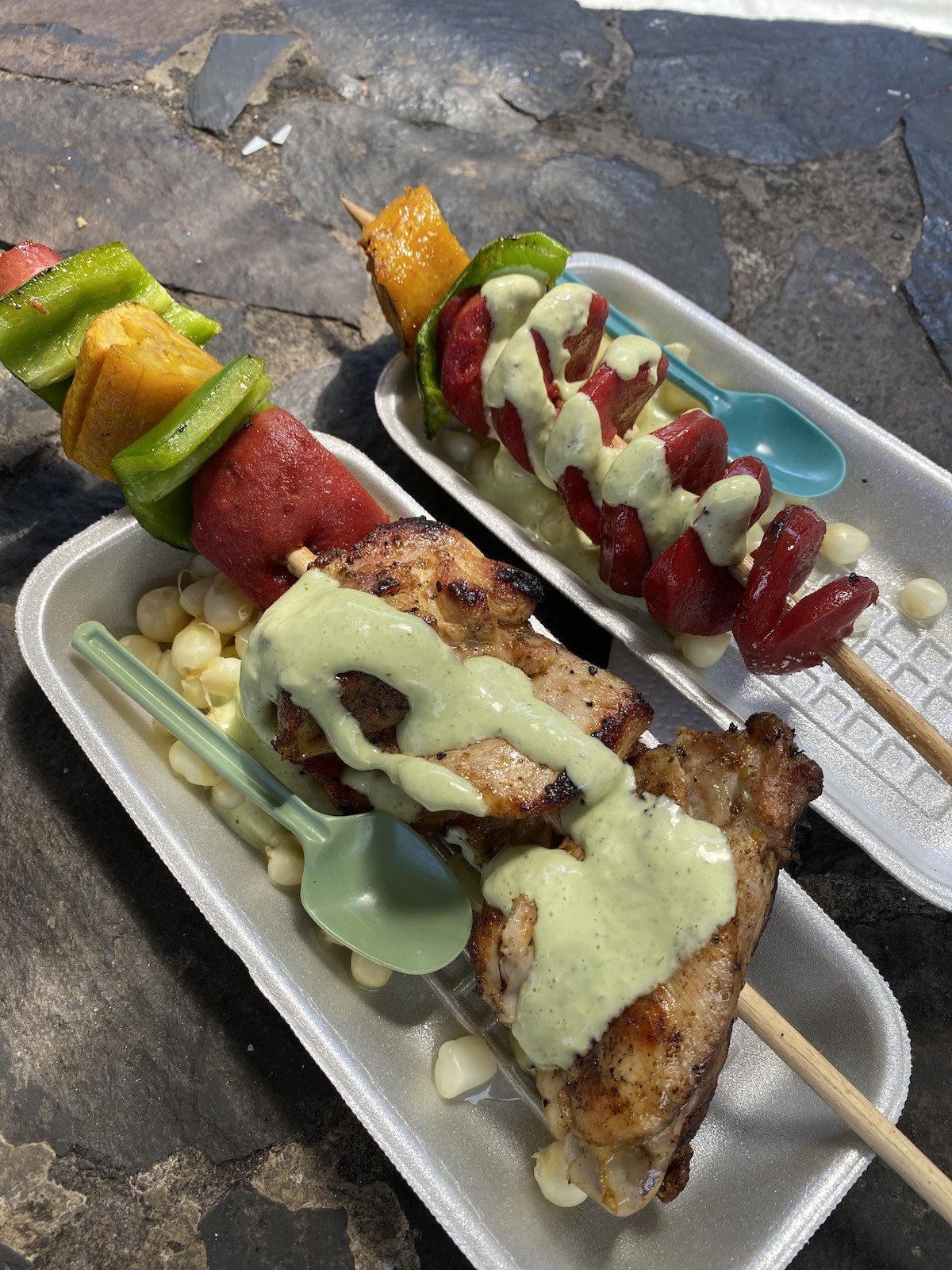
We felt hungry and decided to grab some of the street Ecuadorian food on our way. These skewers were only 4 dollars altogether.
Manto de la novia gondola
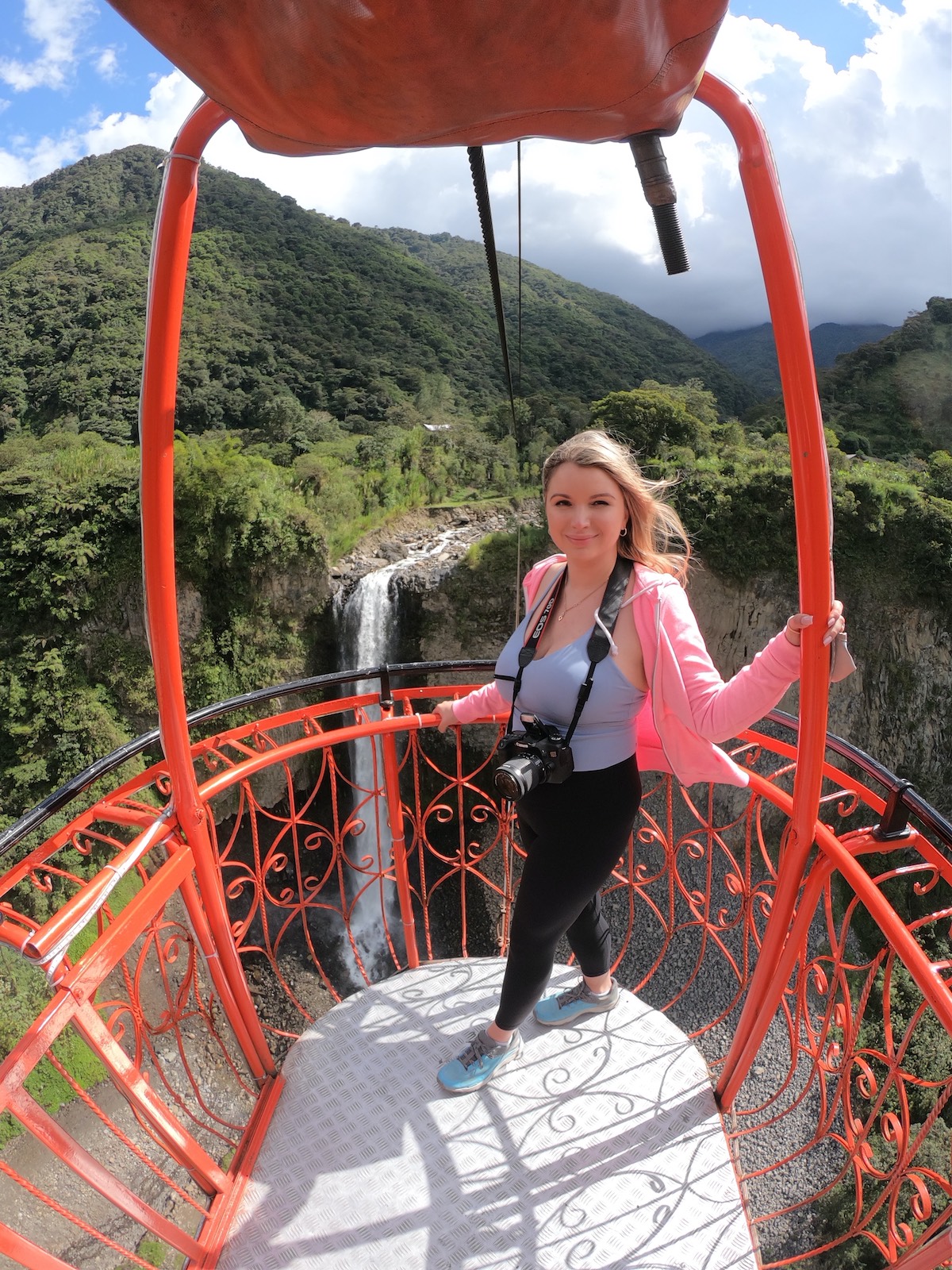
After lunch, we didn’t feel like more hiking so we took the Manto de la Novia gondola (only 2 dollars per person), which was quite a cool experience.
Banos Downtown
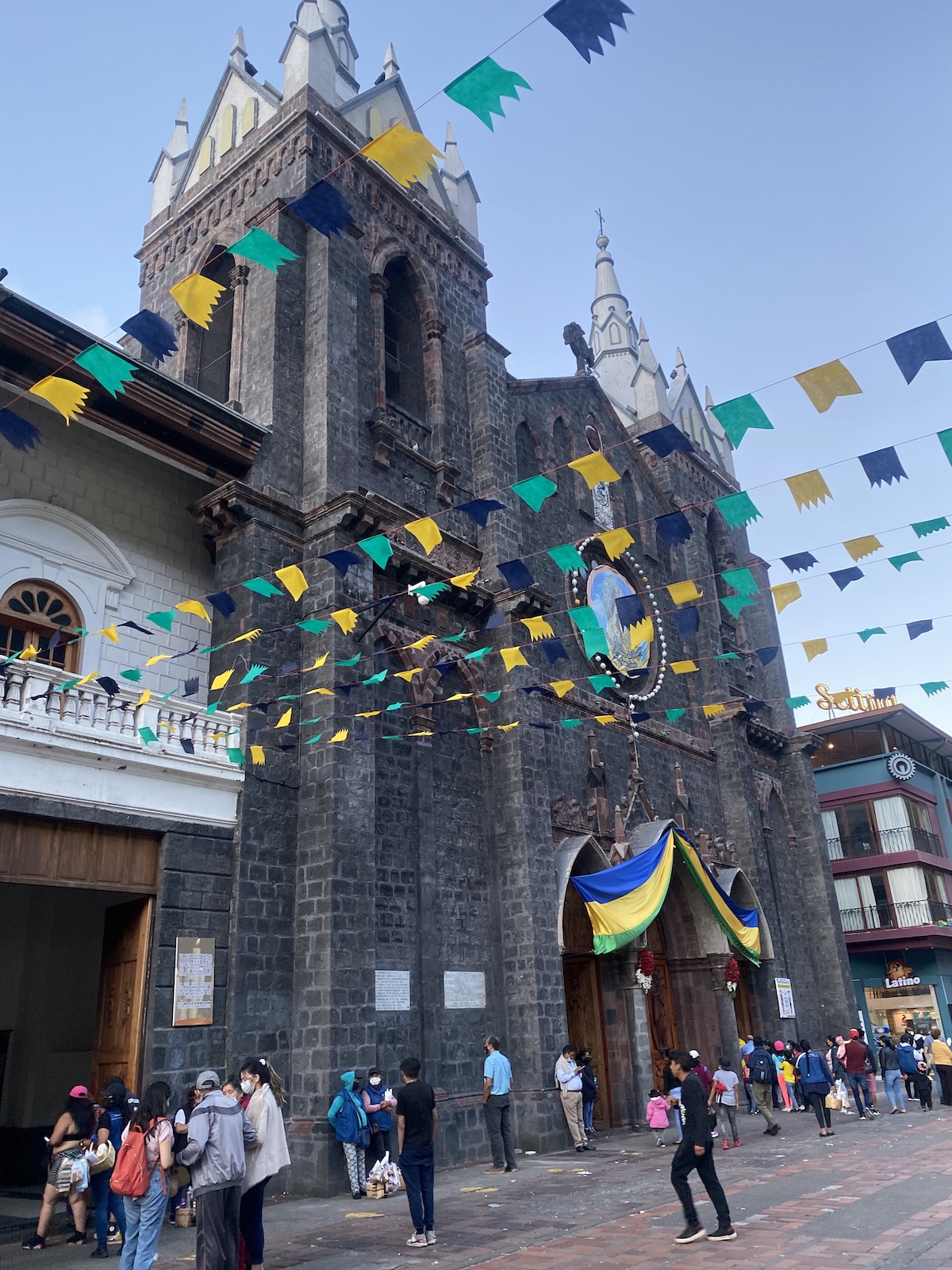
Banos, Ecuador
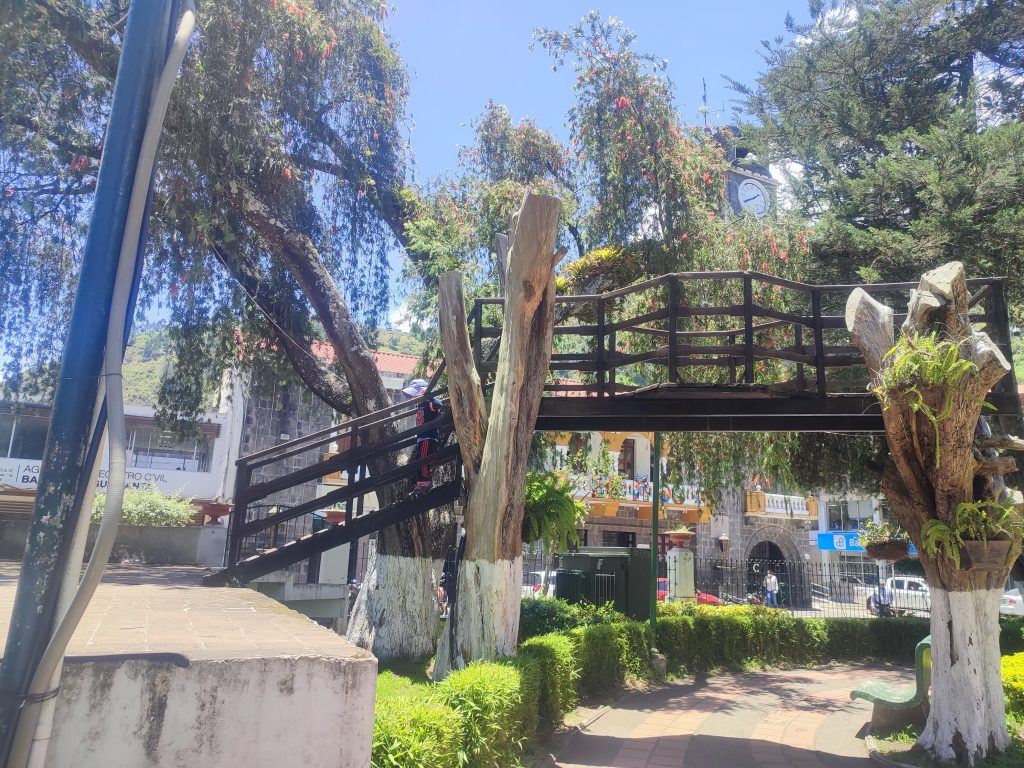
After, we made our way back to the hotel as we wanted to check out the weekend vibe in Banos. The city is quite nice and the weekend vibe was absolutely great.
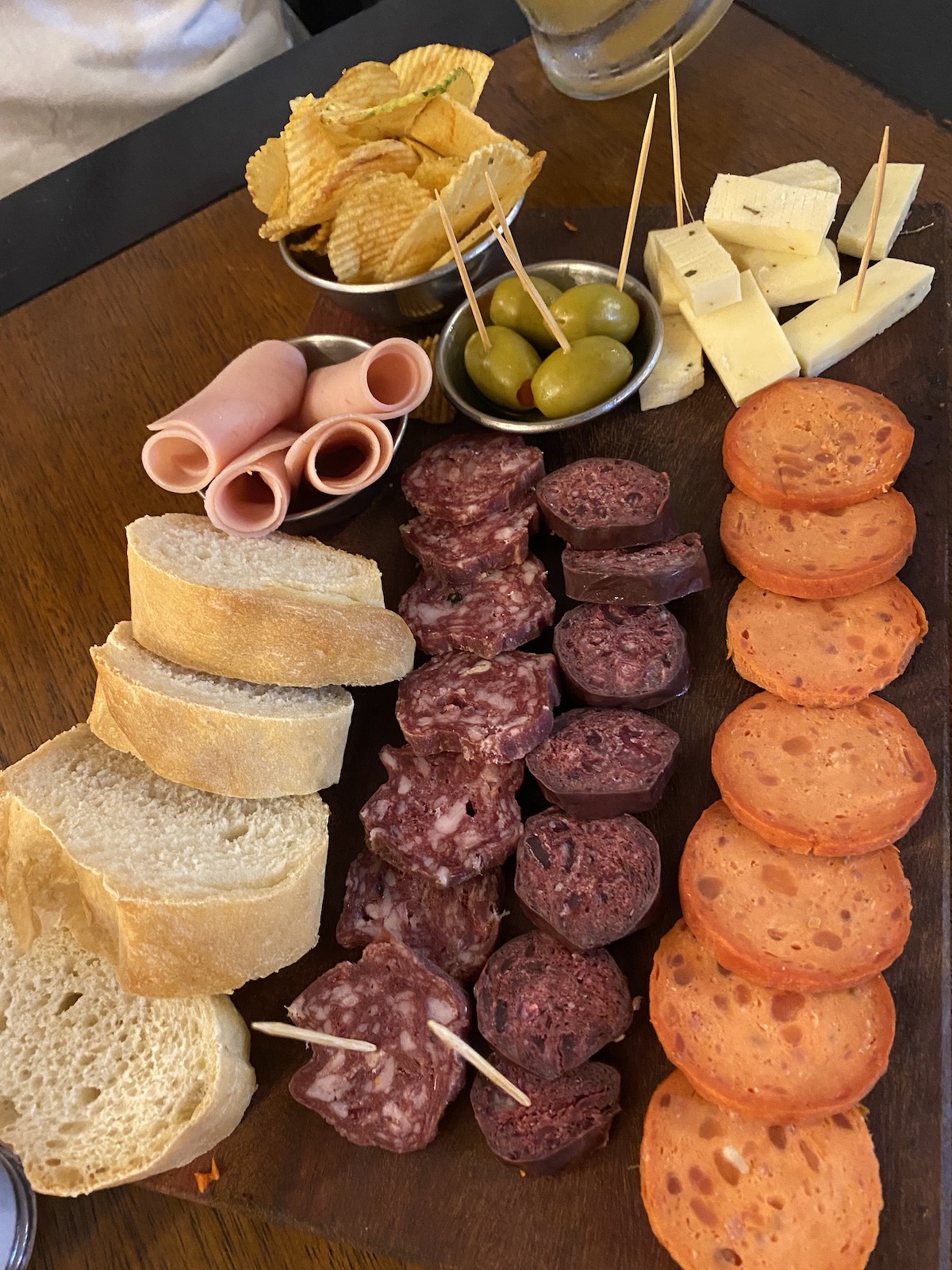
There were so many restaurants to check out – we stopped by an Argentinian one called “Cimarron Parrilla”, where they sold us their “unique steak special”. The appetizers were delicious, especially blood sausage:
But the “unique steak special” was not good:
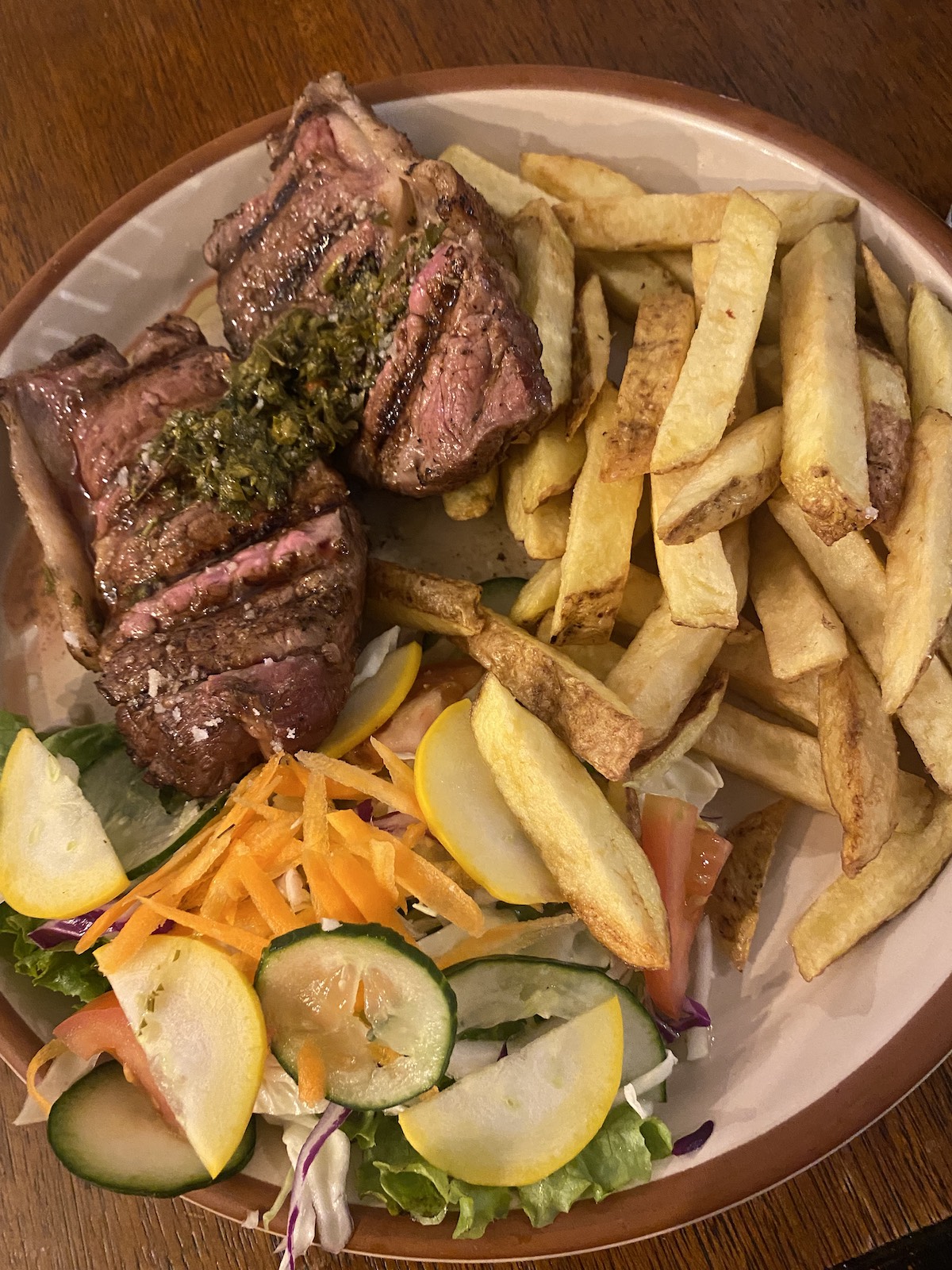
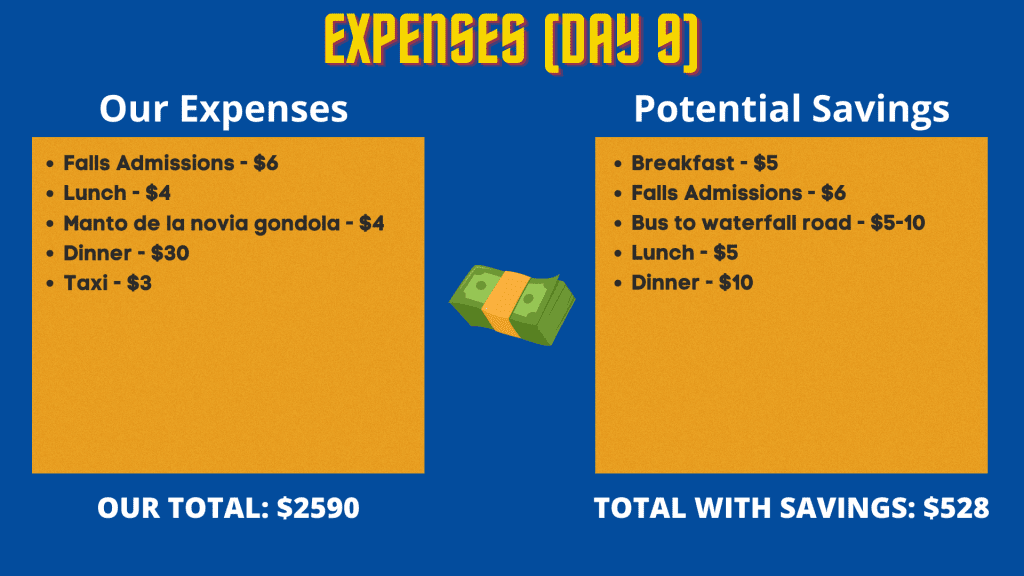
The food was so-so and cost about 30 US dollars.
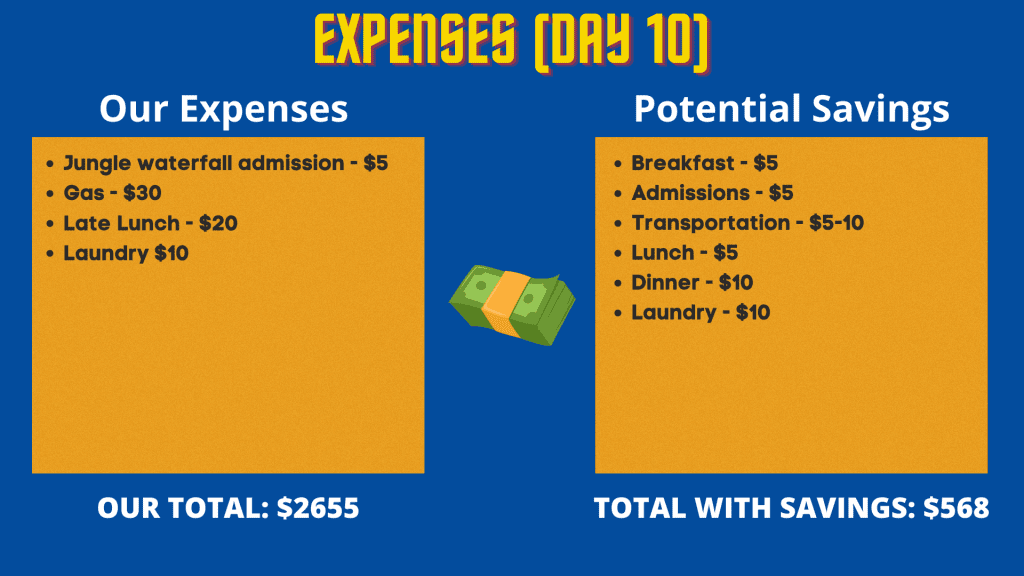
Day 10 (Jungles day, Finca Mirador Indichuris, Secret Waterfall)
It was Sunday in Banos and we wanted to get away and try out the jungle experience. Banos is located near the Amazon Basin, so we drove through the Puyo to “Finca Mirador Indichuris.” This is a particularly nice viewpoint overlooking the rainforest, amazon, and jungle!
It’s a one-and-a-half drive hour from Banos and it’s simply amazing to see how much nature changes as you go down. Driving through Ecuadorian forests and especially the rainforest was a completely different experience like we had moved to a different country altogether. It was 32 degrees outside and extremely humid.
Finca Mirador Indichuris
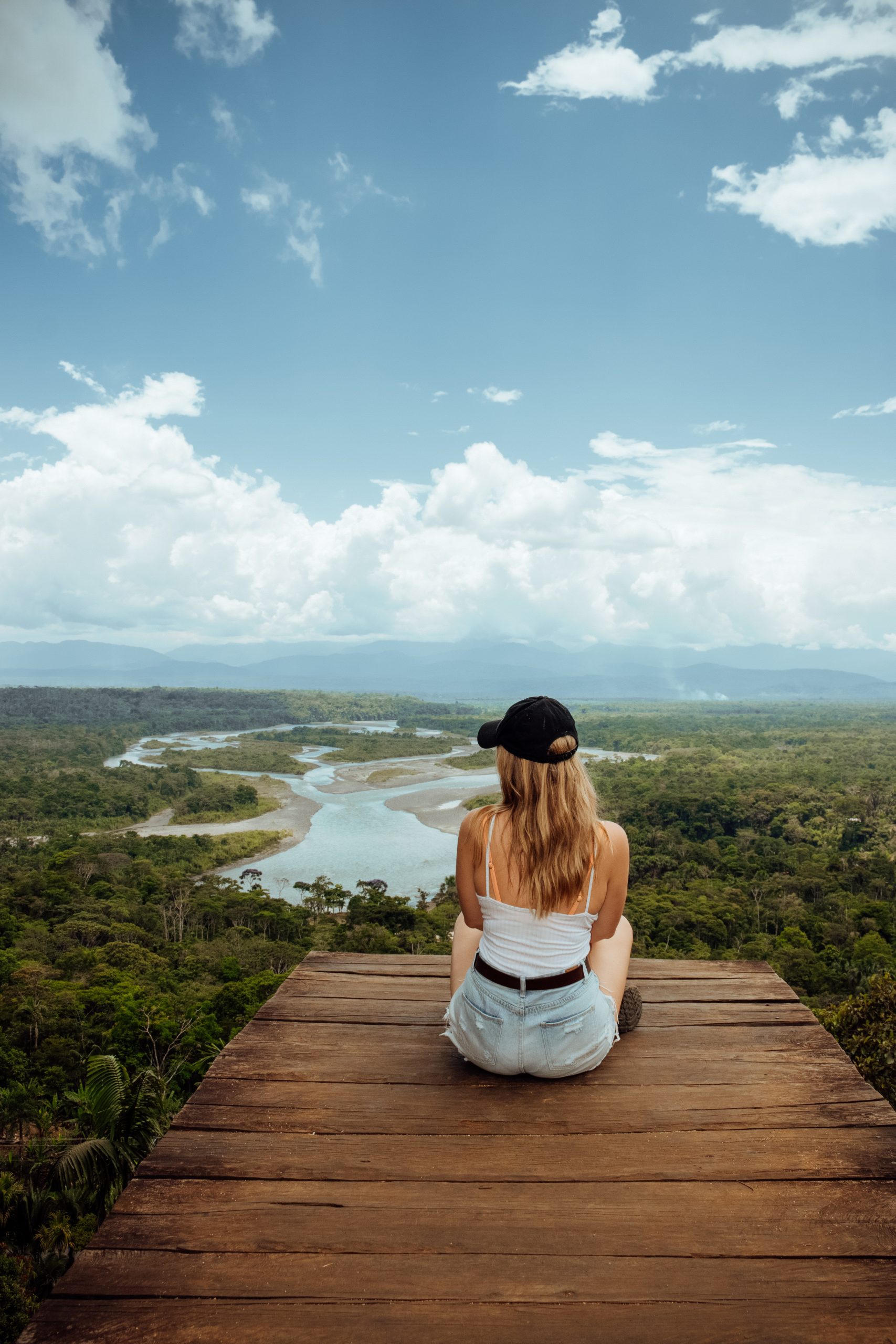
Finca Mirador Indichuris is a really nice viewpoint with a few caves along the way and cozy hammocks to chill in! And, of course, there are always a few cool spots for Instagram shots.
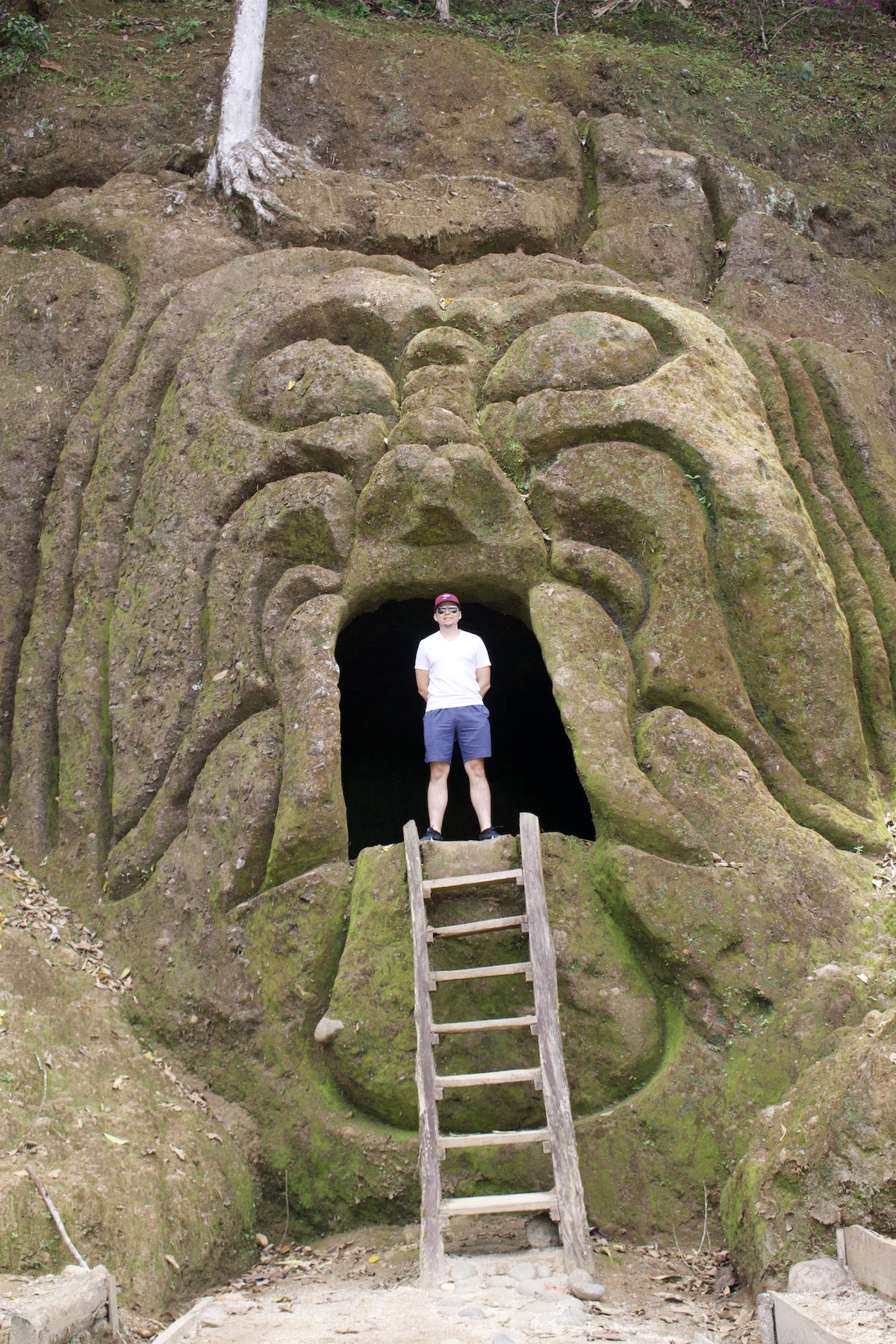
After that, we decided to check out the local area and community. Surprisingly, it had quite a nice infrastructure!
Cascada Vida Natural
As we were driving we saw the sign “Waterfall” in Spanish that led to an unpaved narrow, road through the forest. While it looked scary, you didn’t even need an SUV. There were no signs but I found the spot via Google later on – it’s marked as “Cascada Vida Natural”.
There was a local community in the area and one of them asked us to pay an admission fee of 5 dollars. It was the only “rip off” we experienced because it was a public area. Oh well, we didn’t want any trouble with the locals so we just paid and asked for directions to the waterfalls.
By mistake, we went the wrong way. We ended up climbing an extremely muddy, very steep hill.
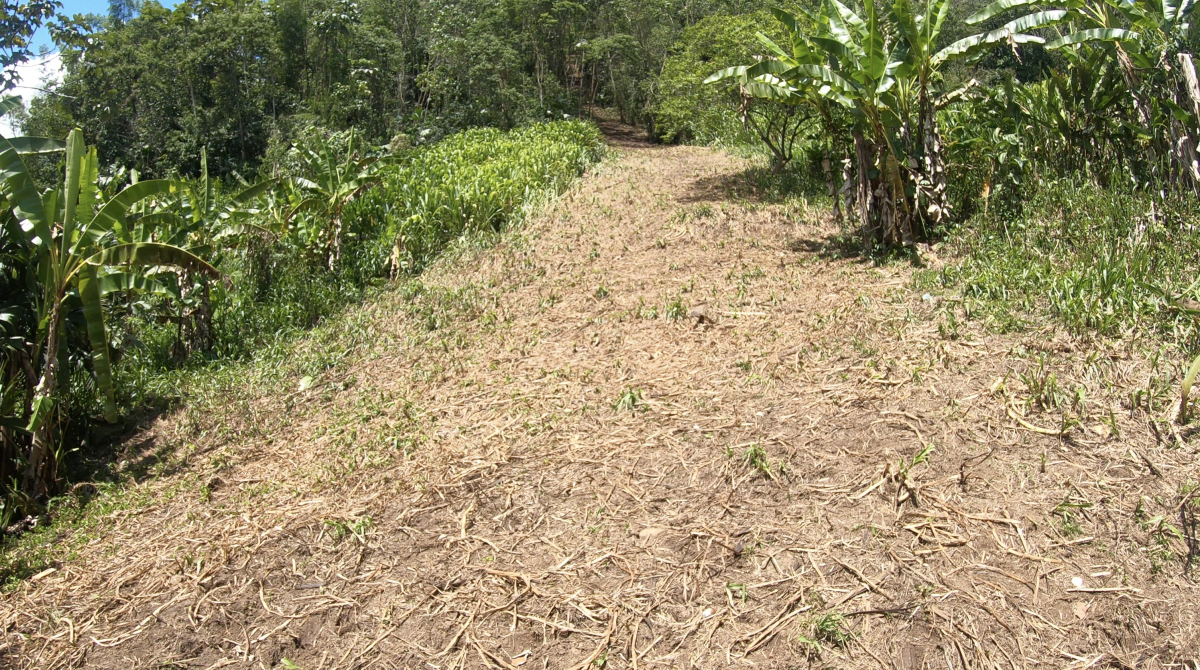
It wasn’t even a part of the trail! The locals who passed this part, themselves on a higher section of the official trail, were surprised to see us climbing there.
We reached the official trail, went all the way up, and found another viewpoint. It was nothing special – the previous viewpoint was way more scenic.
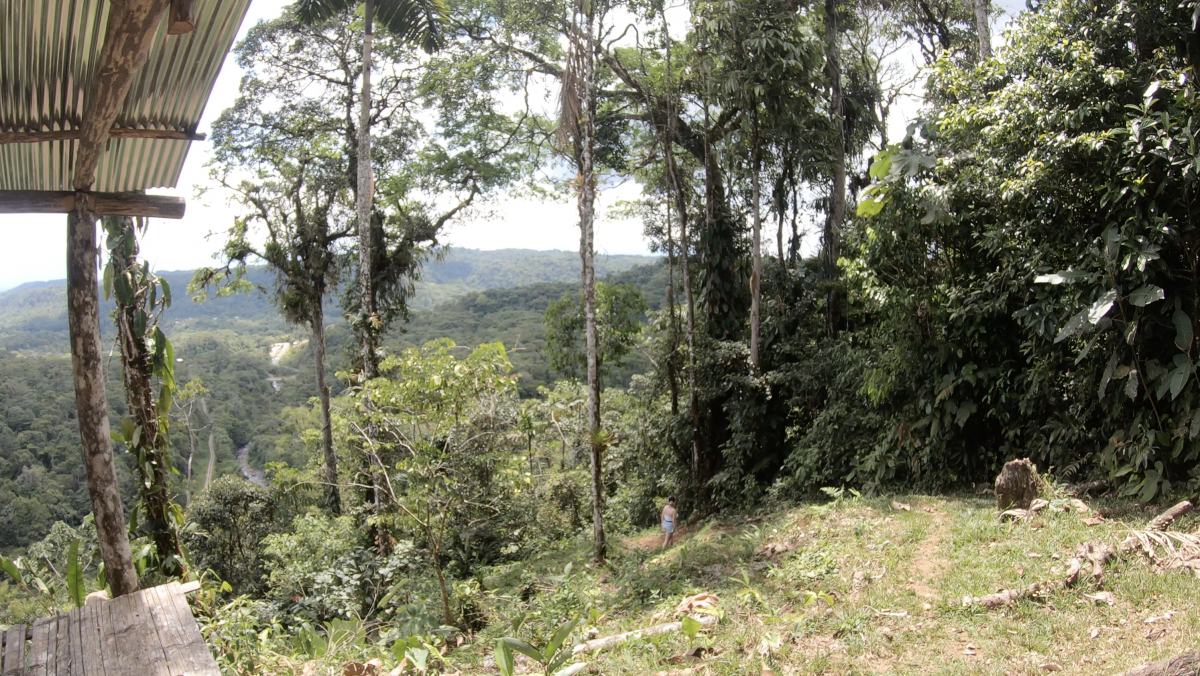
I can’t describe how wet and muddy we were by this point, so we definitely needed to find this freaking waterfall. Finally, we found the right path. From the parking lot, you simply crossed a little bridge and turned right. That was all.
It was our first jungle experience and we were completely alone. Unfamiliar sounds, insects, plants, spider webs… It was a little bit scary and so incredibly hot due to the extreme humidity.
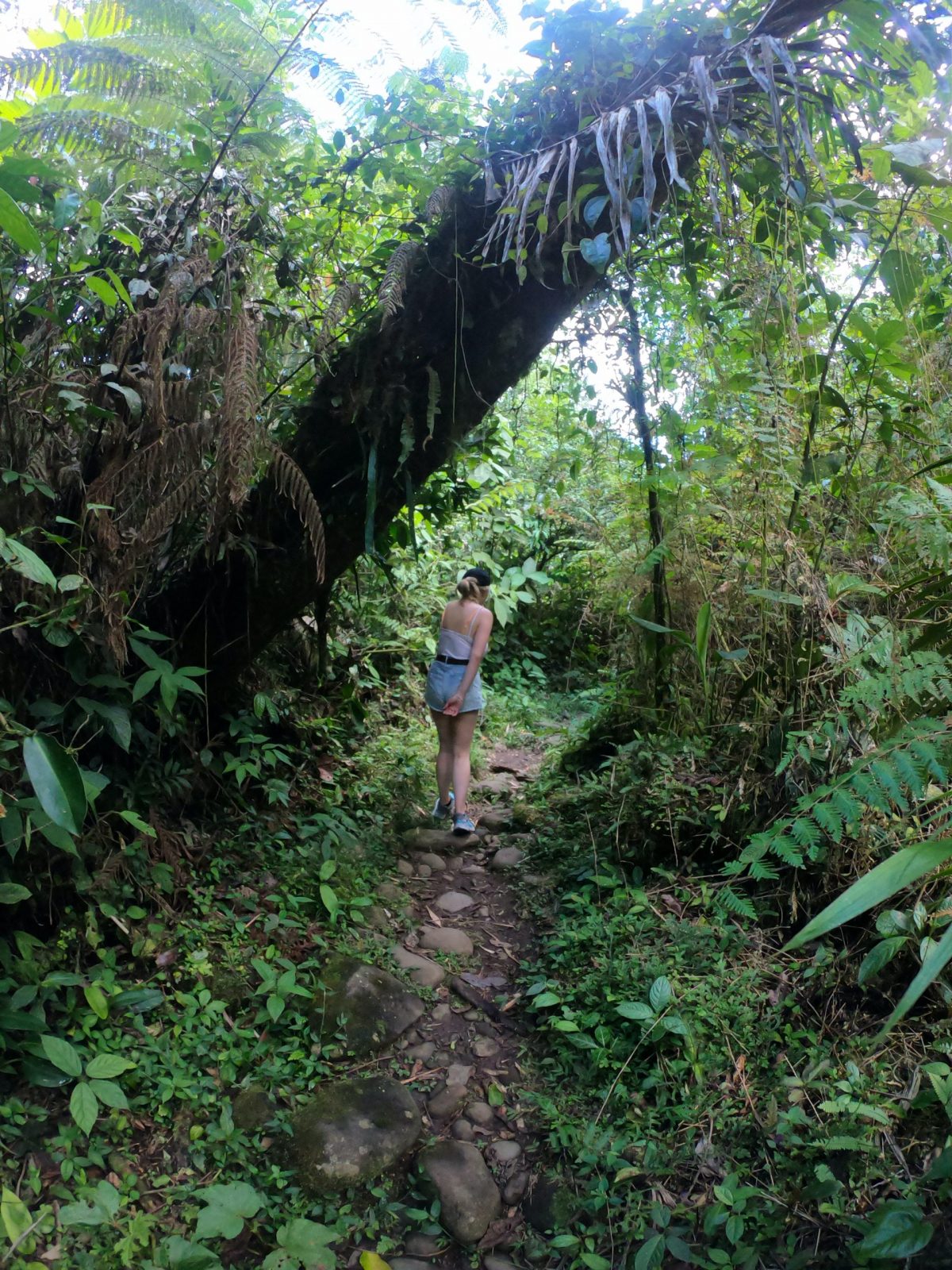
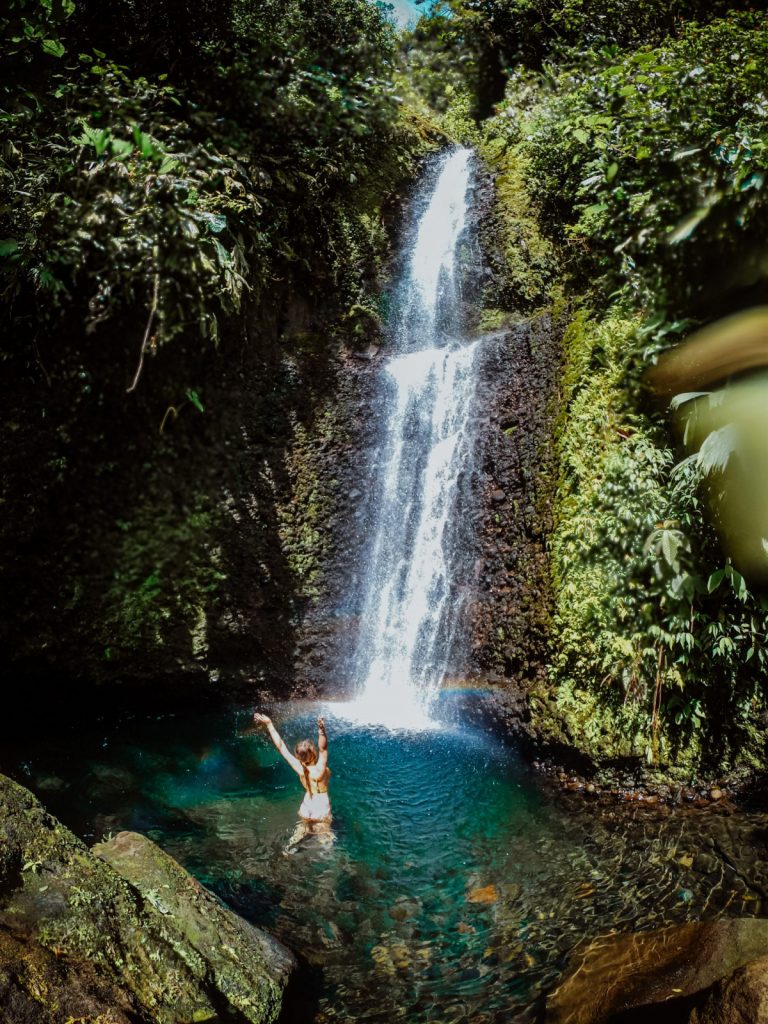
20 minutes later, we spotted this small but scenic waterfall in the jungle.
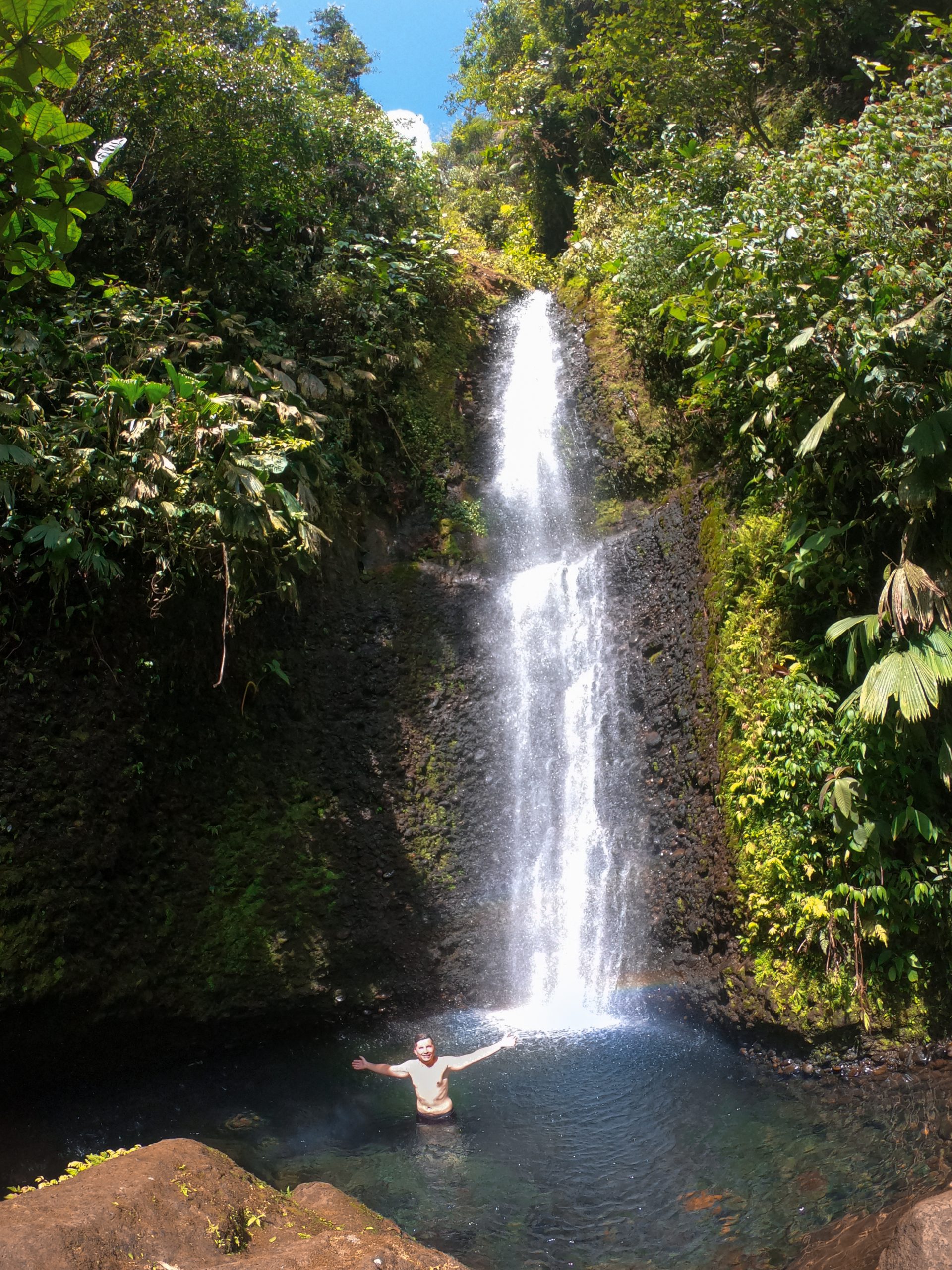
Cascada Vida Natural
10 seconds after we found it, we were swimming in it. It absolutely made our day. Refreshing, crystal clear water in the jungle. We swam for over an hour, completely alone until a local family joined us. Keep in mind, it was a weekend, so I guess it must be really empty during the week – in which case, I’d highly recommend this spot to visit during your Ecuadorian trip!
We were completely satisfied and happy. We needed to finish everything up with a late lunch (it was almost 4 pm) and randomly stopped at a restaurant named “La Casona” in Puyo. Surprisingly, it had an amazingly scenic patio right in the rainforest – and, even better, extreme rain started! Just wow!
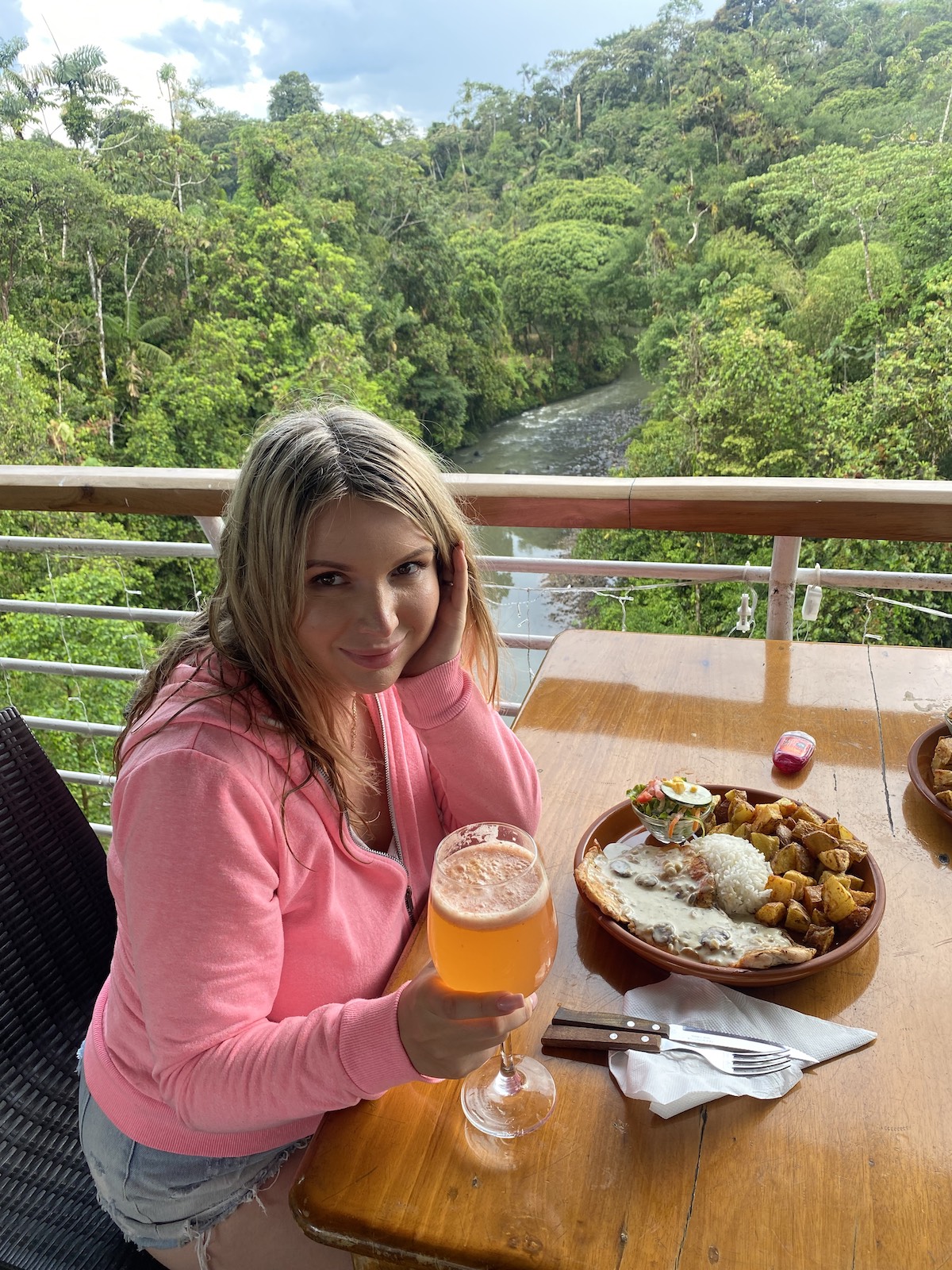
La Casona restaurant in Puyo, Ecuador
The pricing was more than reasonable and the food was so good. We had these stunning chicken entrees (gratinado and pollo champione), but the menu was huge.
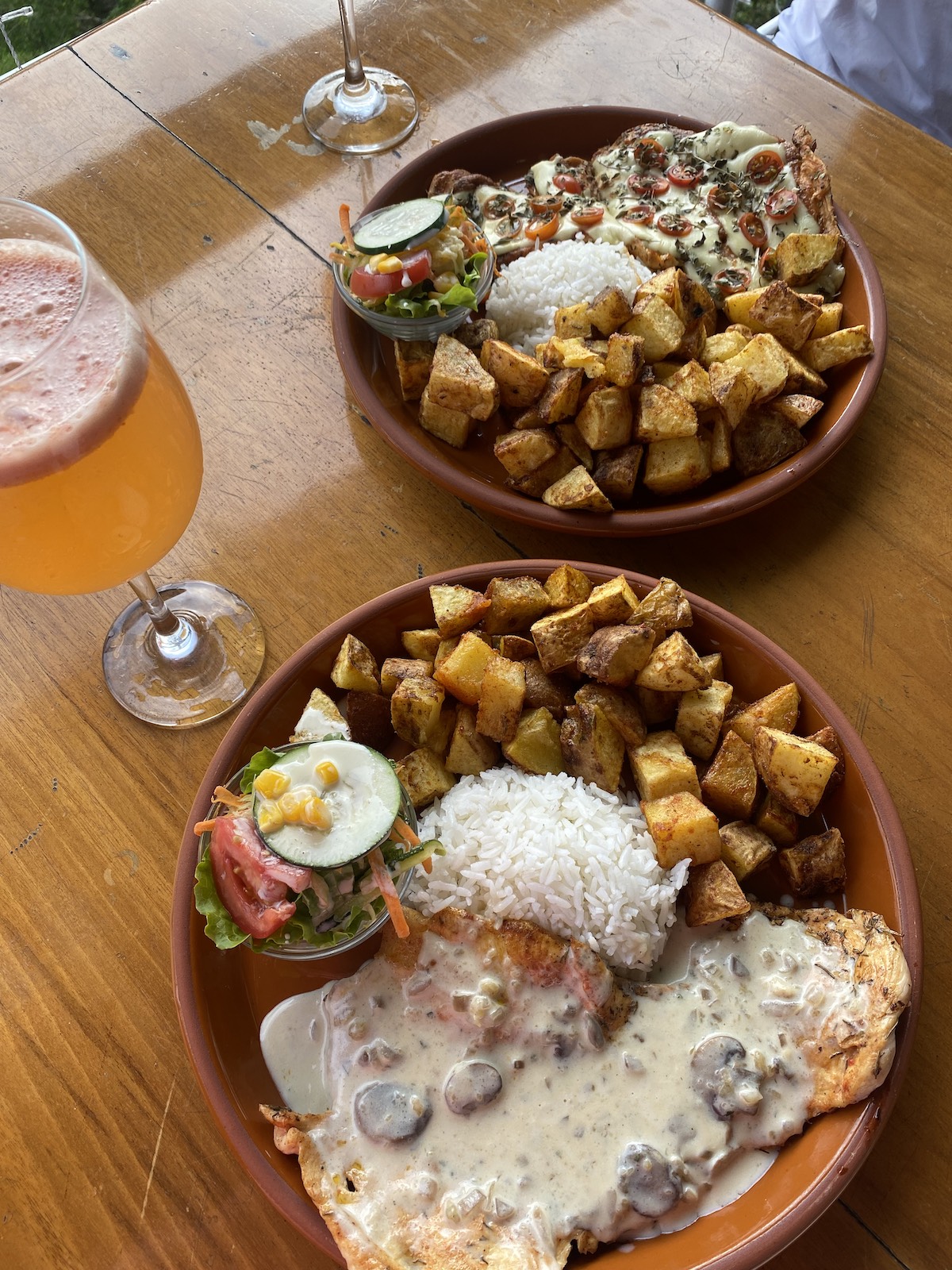
It seemed like a fancy place serving the local community and the owners were so surprised to see tourists like us! They asked us to recommend the restaurant to everyone heading to the Puyo area, so that’s exactly what we’re doing. Just 20 US dollars for such a nice meal with a stunning view! We highly recommend this place!
Being extremely satisfied with the day, we headed back to the hotel to chill on our patio.
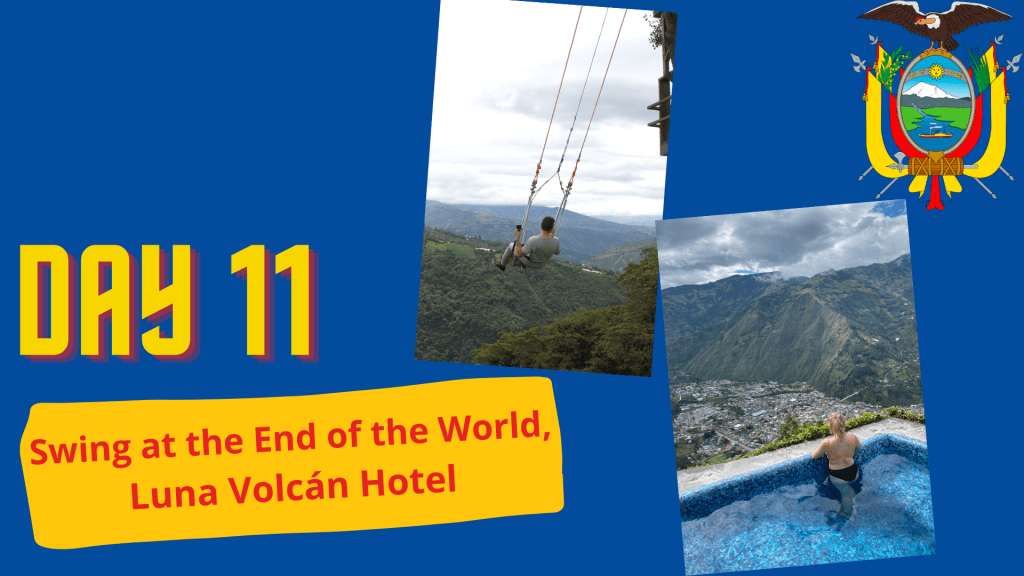
Day 11 (Pailon del Diablo Waterfall, Swing at the end of the world and Luna Hotel)
Finally, it’s Monday and the city of Banos has once again become so empty. First thing in the morning, we went back to Pailon del Diablo Waterfall. It opened at 9:00 am and we were there by 8:50 am. This time, we used different gates because they offered a unique experience to feel the waterfall. The gates were open but every single shop nearby was closed. The admission was 2 dollars per person. We were there completely alone! This was such a nice feeling after the immense crowds we saw on Saturday.
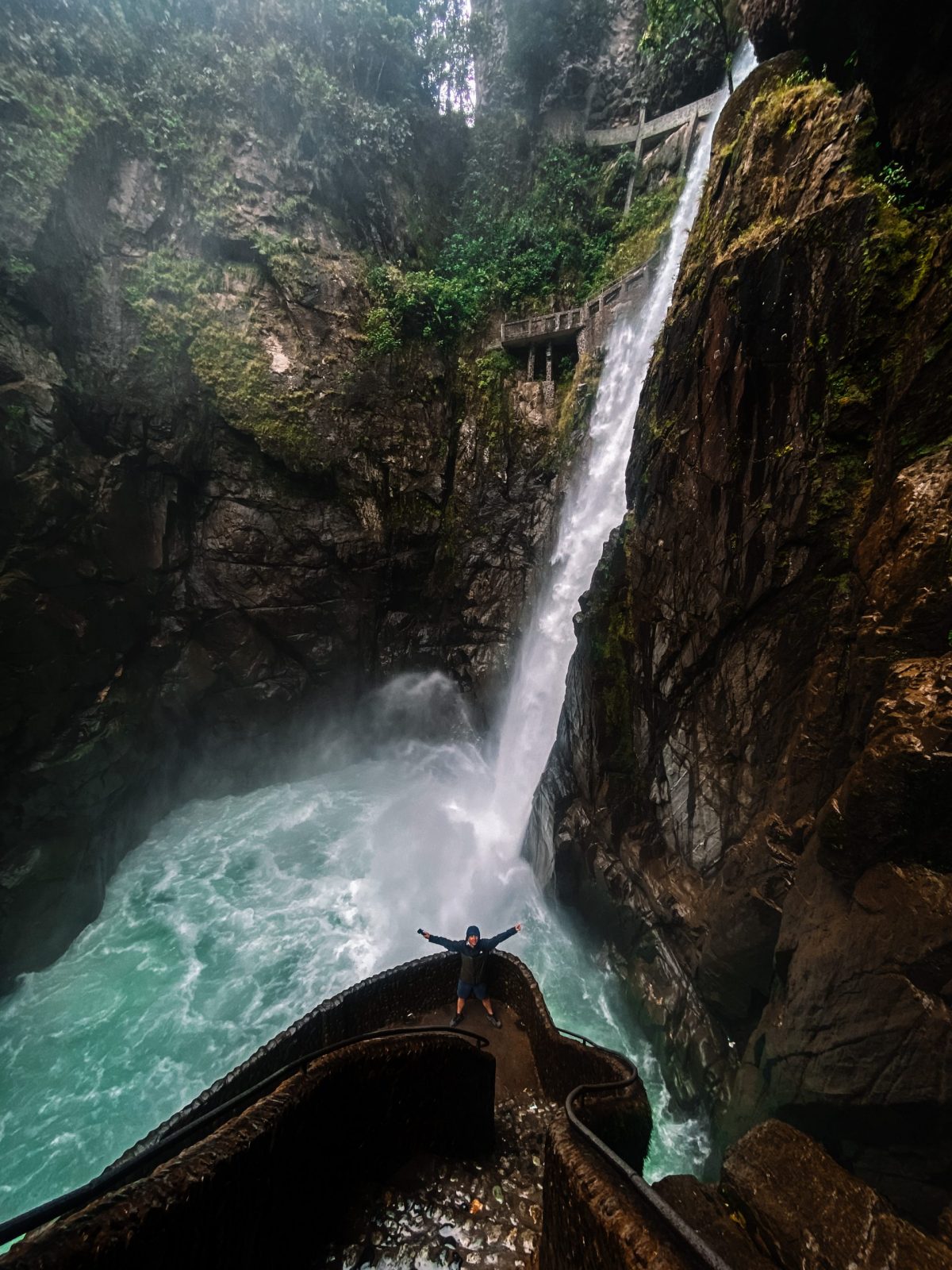
Pailon del Diablo Waterfall
We reached the falls in about 15 minutes.
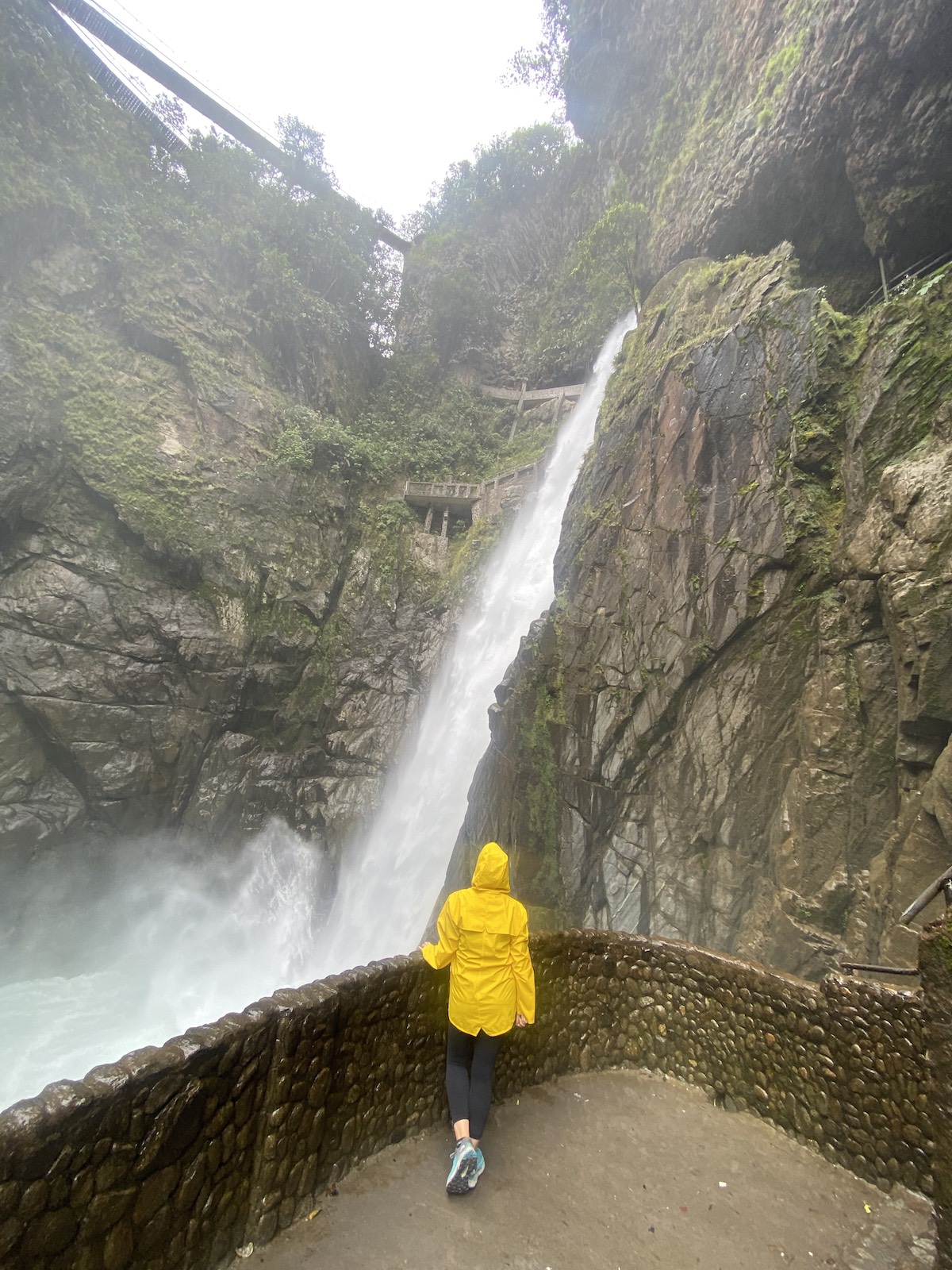
Pailon del Diablo Waterfall
The best part about the falls is you can go through the caves and end up behind the waterfall! Just wow!
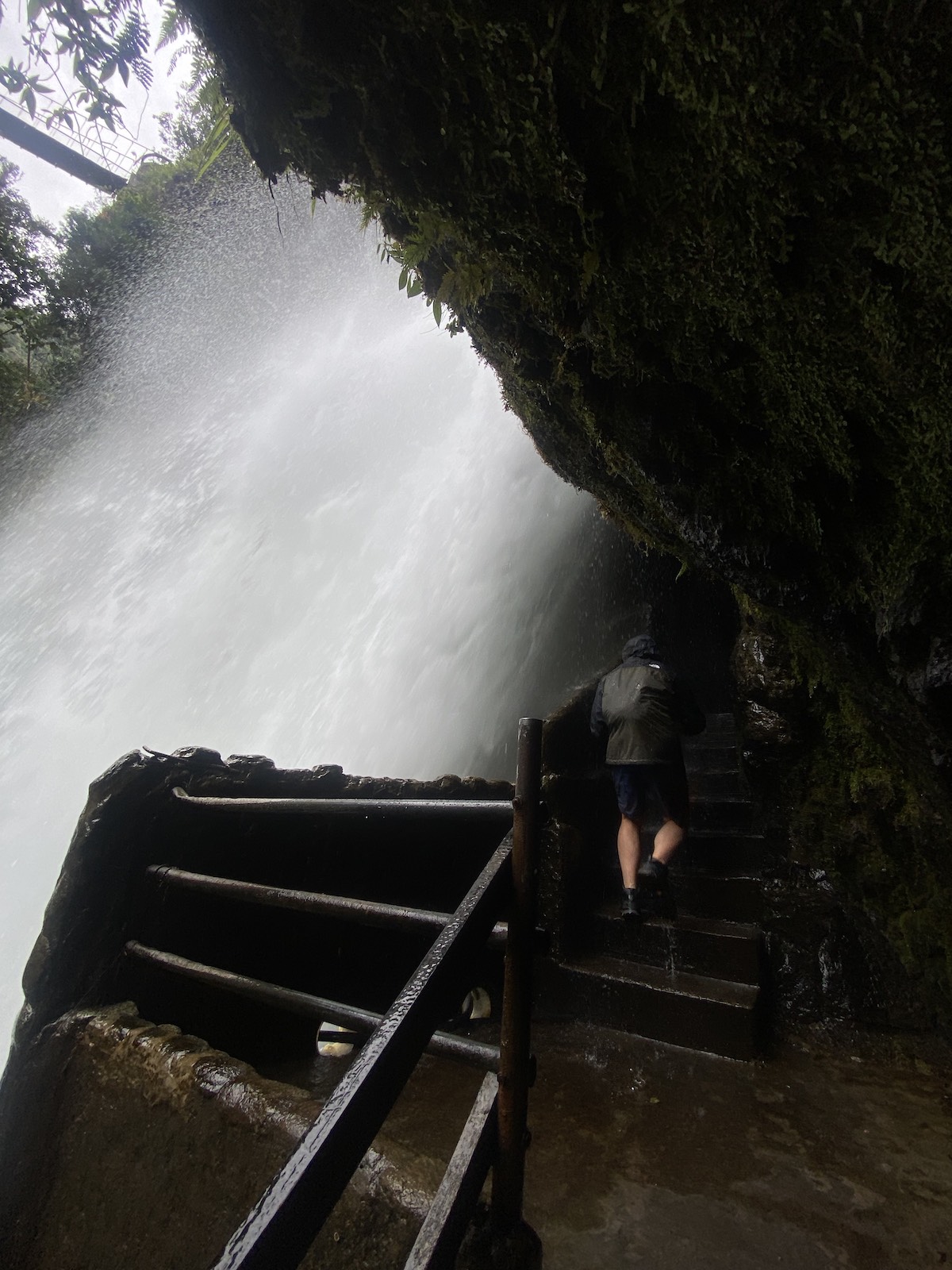
The cave was so tight as it was, I can’t imagine how they handle the traffic when there are loads people on the trail. You need to crawl through some parts and there’s only enough room for one person. It’s hard to show on the images so you can check “Ecuador mainland travel guide video” at 36:12.
Be ready to get soaked if you want to get all the way behind the waterfall! Now I see why this waterfall is one of the most popular places to visit in Ecuador.
Swing at the End of the World
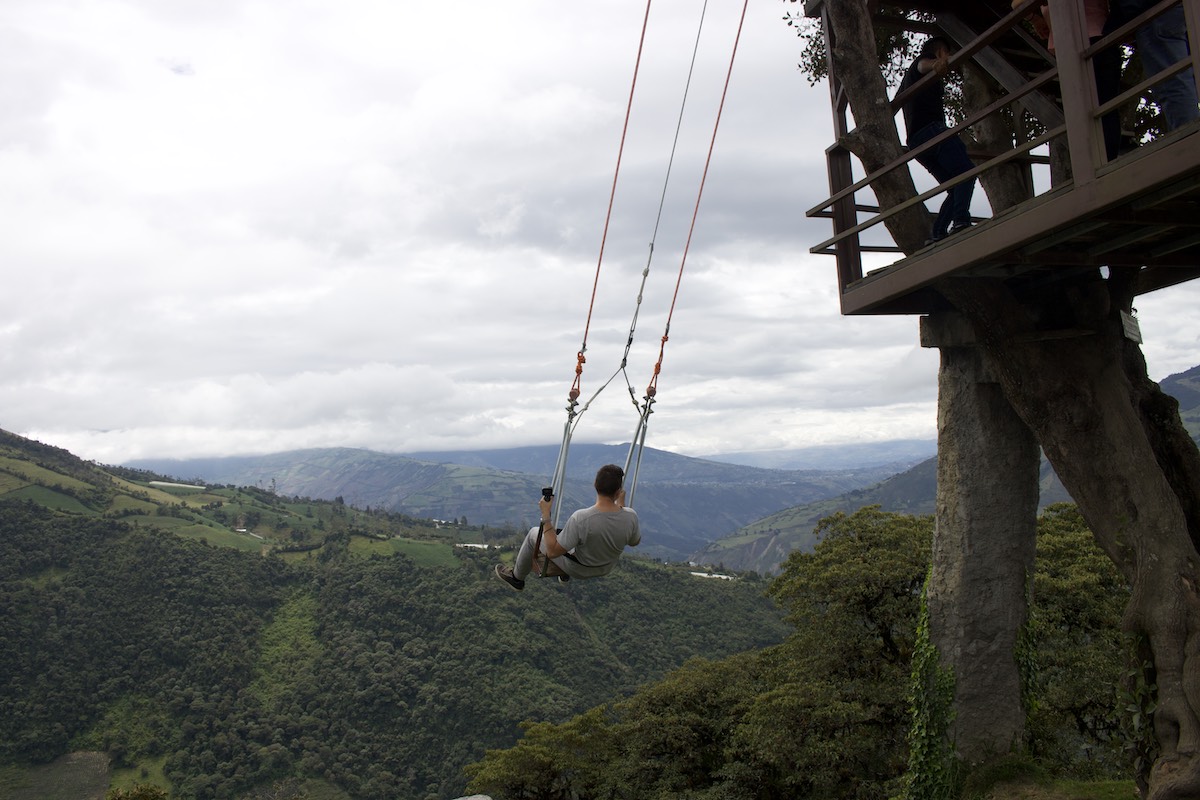
Swing at the End of the World
Afterwards, we needed to check out from the current hotel but we had intended to spend one more night in Banos. We booked a fancy, romantic hotel that I’ll talk about later, but we had a few hours to kill before check-in. So, we headed to another hotspot in Banos (and Ecuador) called “Swing at the End of the World,” which is a particularly popular place if you want to take pictures from the peak.
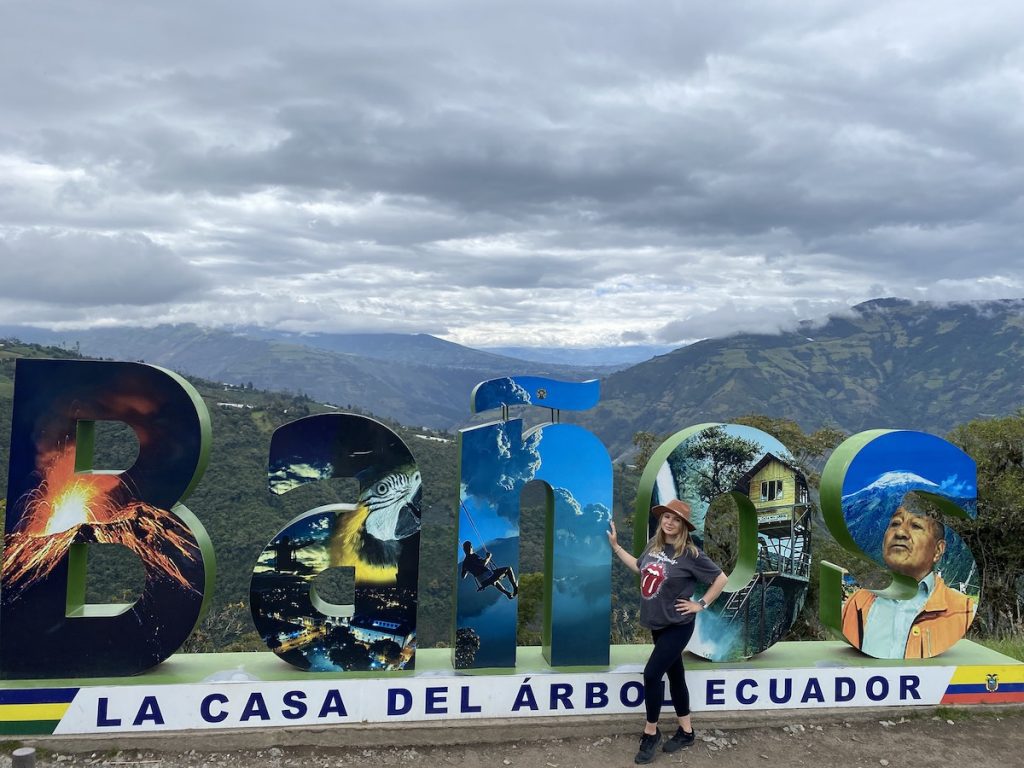
It was so good that Monday, as only a few people were there and we were able to enjoy the swings and take beautiful shots. I can’t imagine the lines here during the weekend. If you’re heading to Banos, make sure to do it during the week! The admission was just 2 dollars per person and it’s definitely worth a visit.
Luna Volcán Adventure SPA hotel
Finally, it was time to check in at Luna Volcán Adventure SPA hotel! Oh my god, this was exactly what we needed. We were tired of such an active trip and this hotel offered everything for us to chill and recharge.
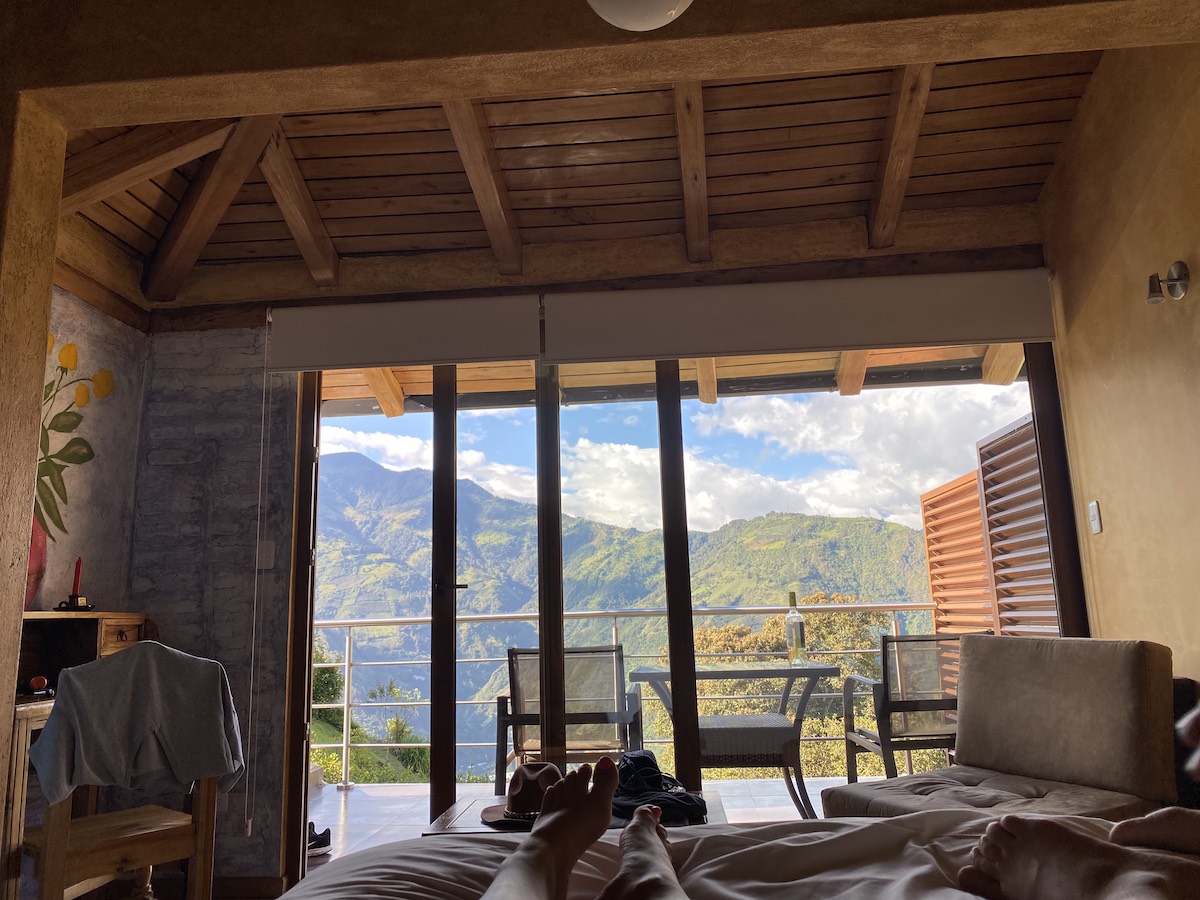
It’s a high-end hotel located at the 400-metre point above Baños.
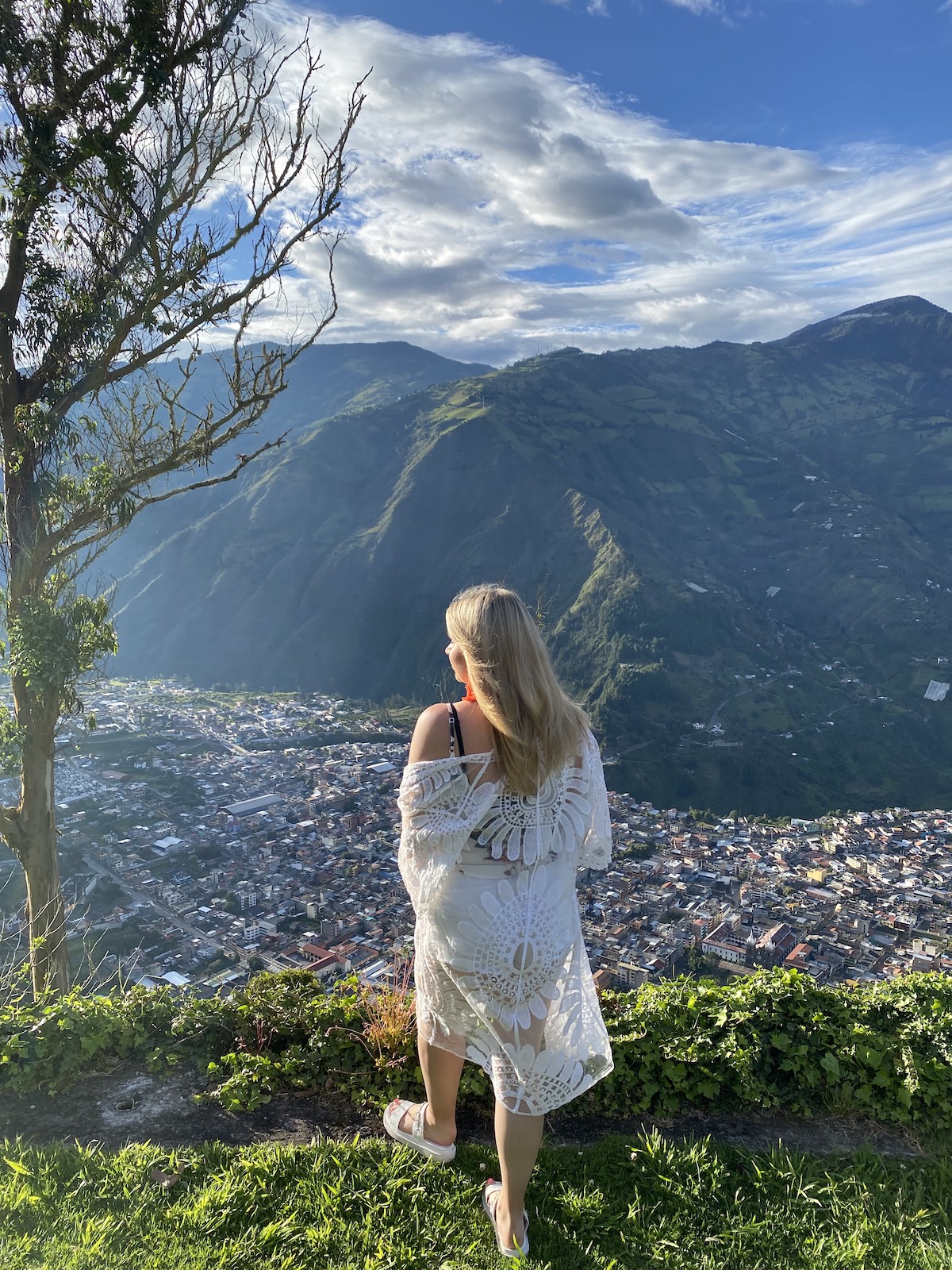
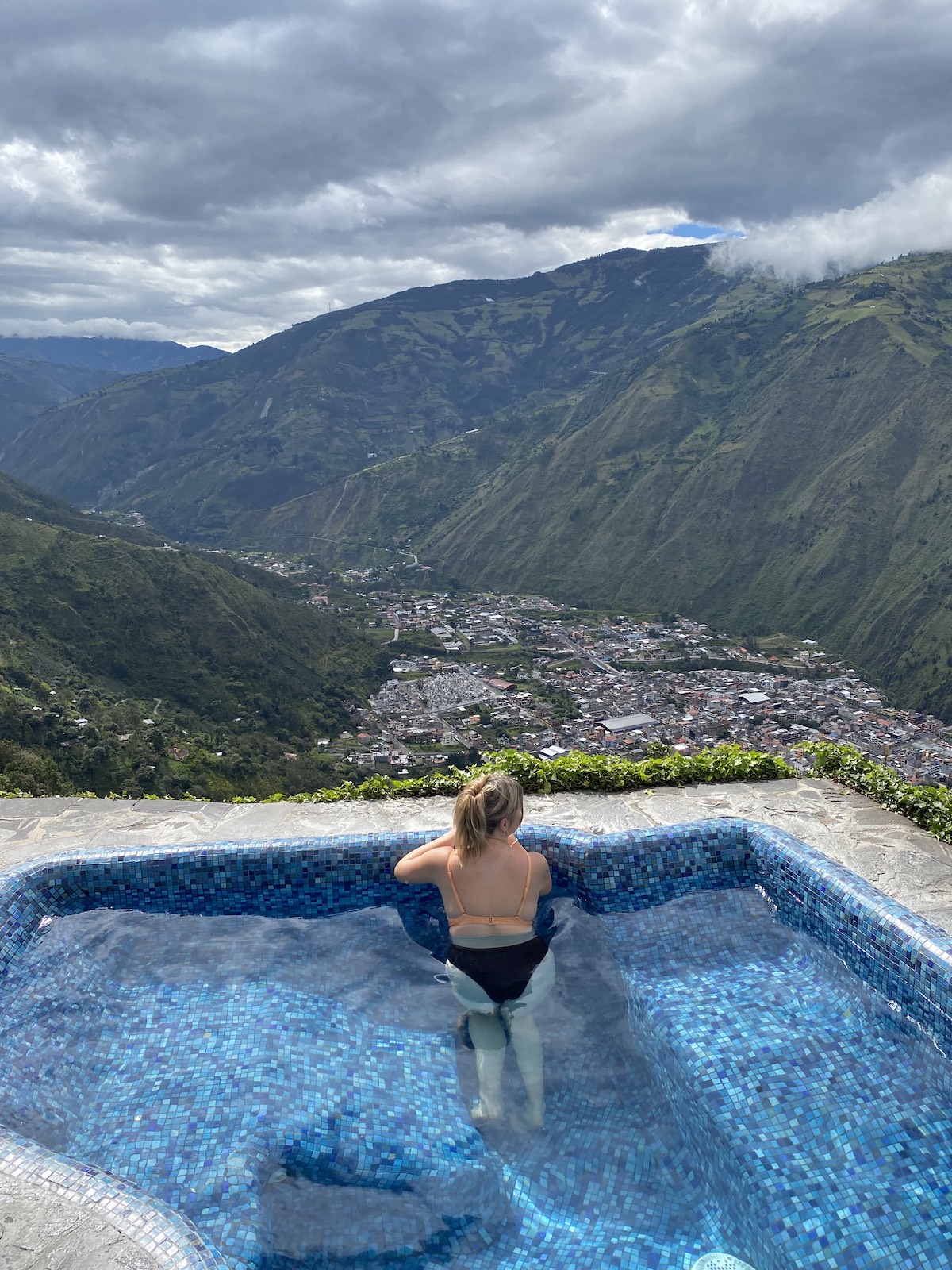
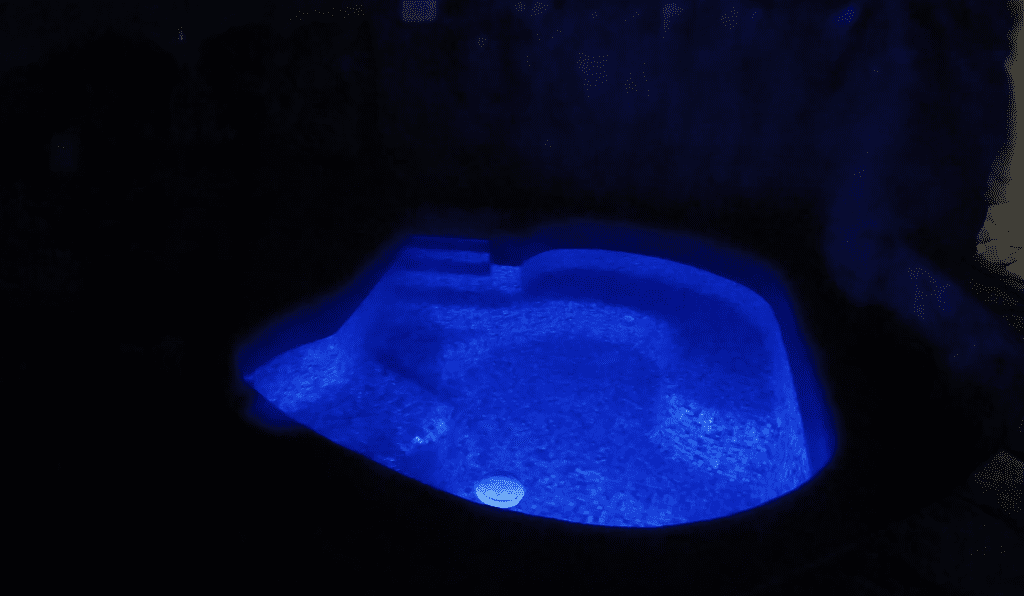
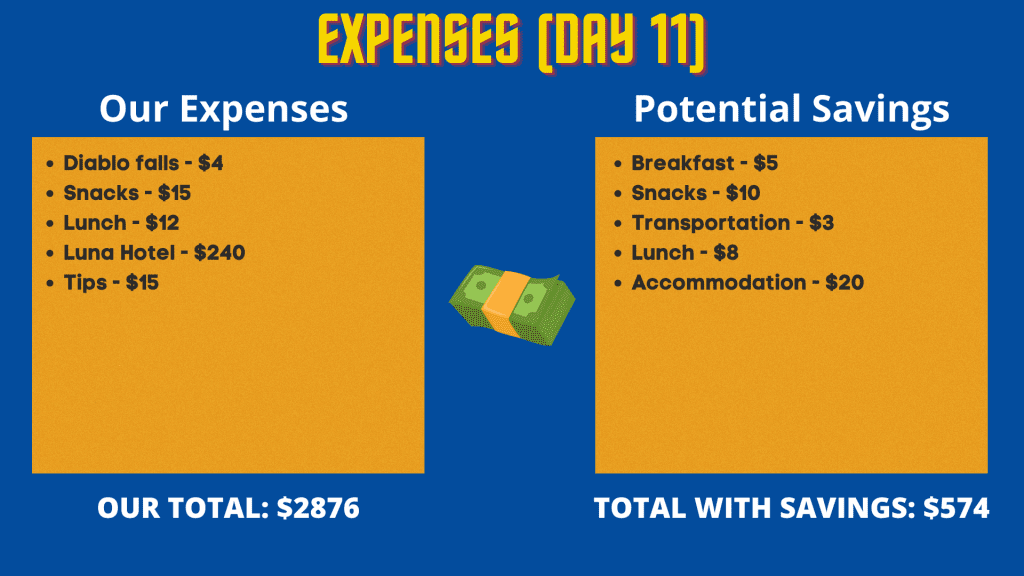
It has so many unique, different, romantic rooms with great views. While it’s quite expensive, as we paid 240 US dollars for the night, keep in mind that a high-end dinner and breakfast are both included. Plus, 4 pools are available, alongside the ultimate selling point: jacuzzi with hot volcanic water at the edge of the mountain!
If you’re going to splurge, I would highly recommend booking a room from the official website rather than an aggregator like Booking or Expedia, because you can pick a specific room and upgrade the way you want!
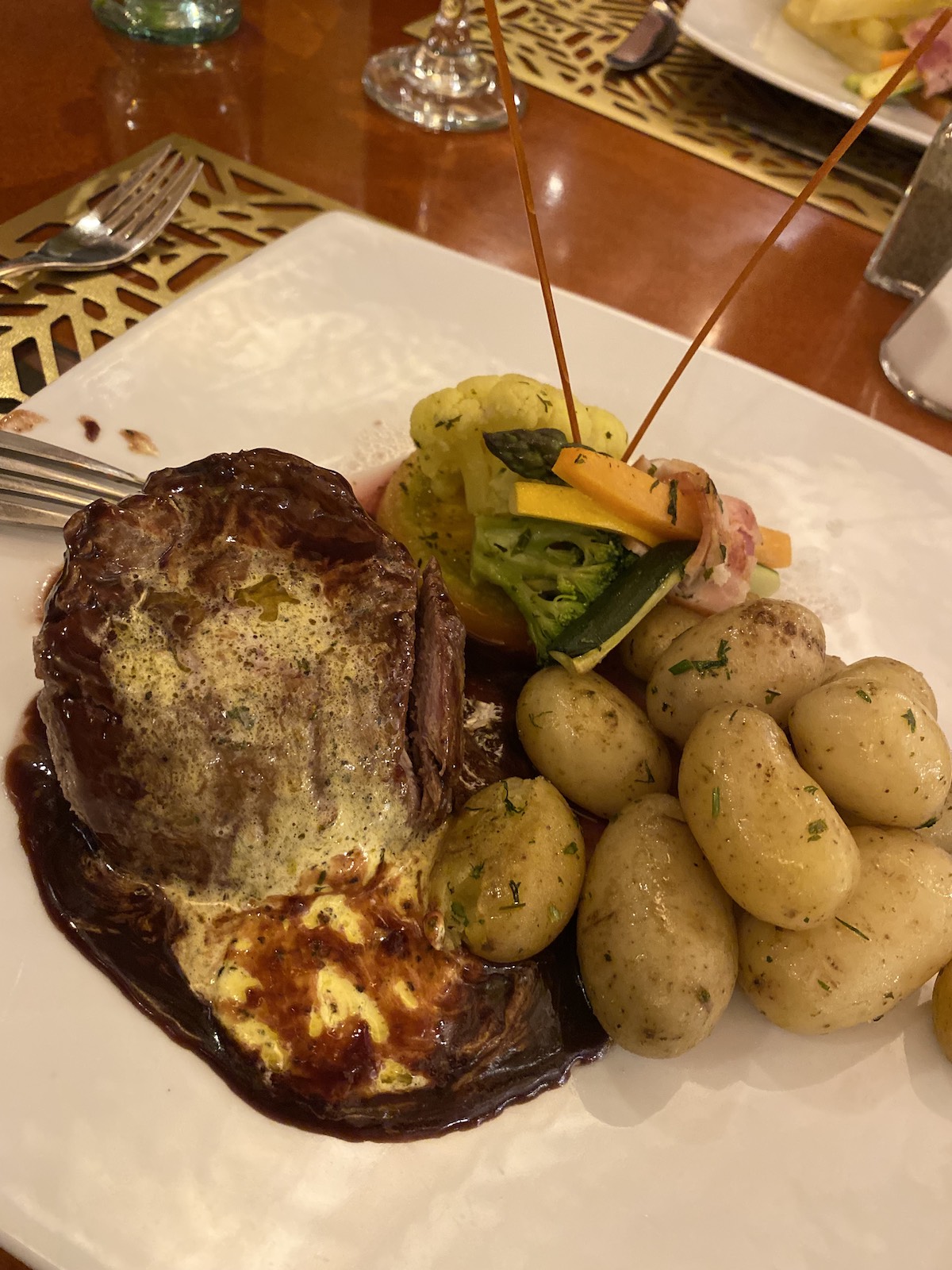
I gotta say, it was so worth it. If I had the budget, I would stay here for as long as I could. The jacuzzi was amazing, the dinner was extremely delicious with great service, and the room was just outstanding. There’s no need to say anymore, just check out the images.
Day 12 (7-hour drive to Cuenca)
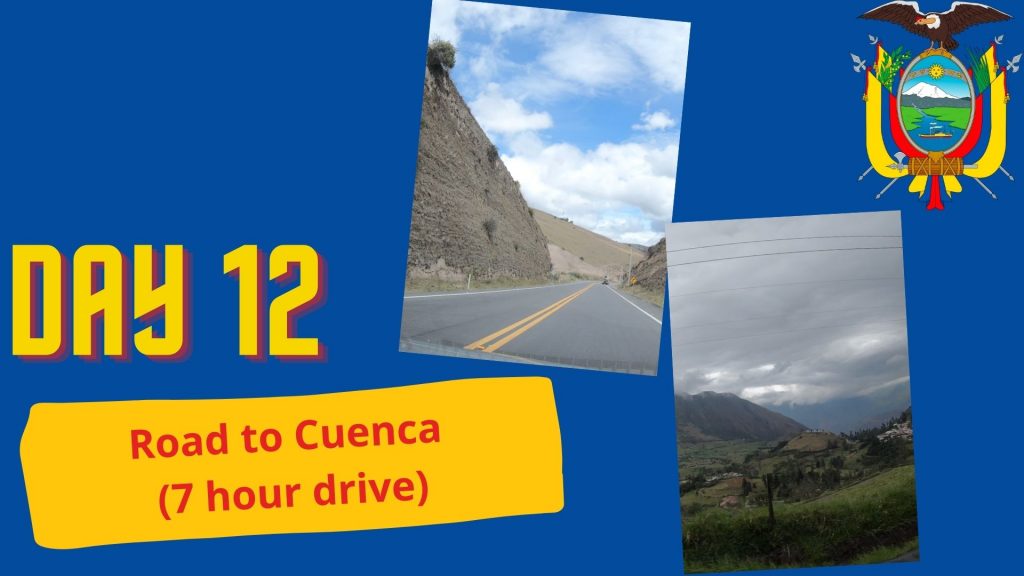
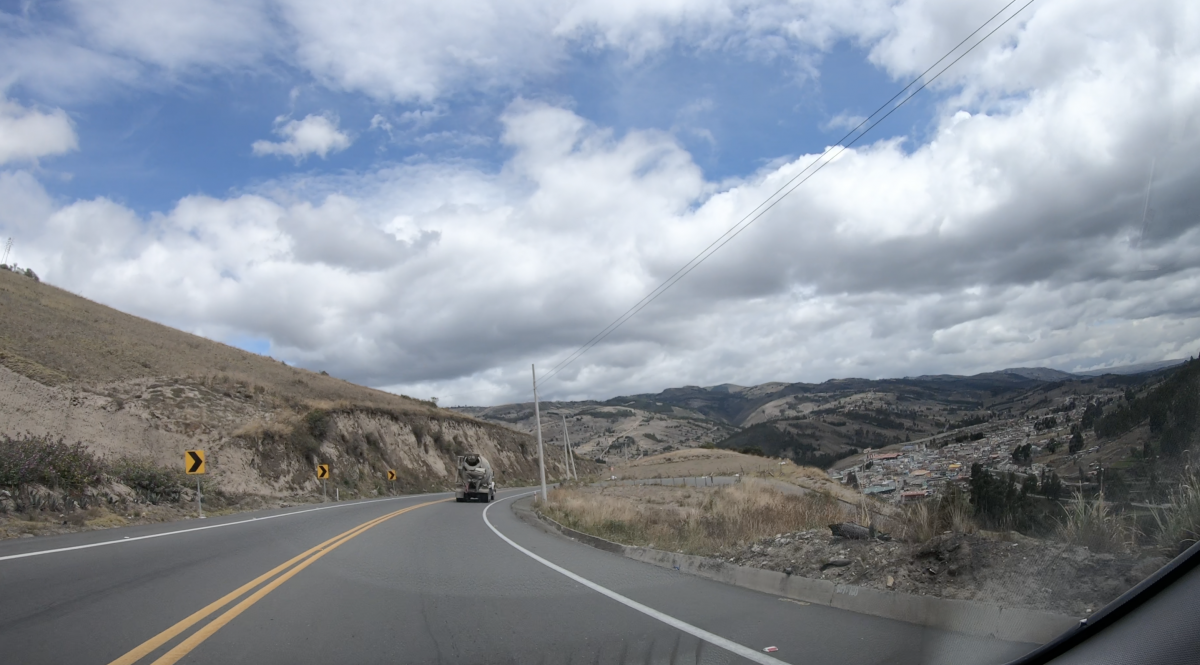
Time to leave Banos for the next amazing destination: the historical city of Cuenca in Ecuador. It was a long 7-hour drive and, due to time limitations, we had to pass a few cool spots on the way – Riobamba city, Chimborazo volcano… But it was also great to drive through the country and see the lives of local people. You could see what the real Ecuador was like and the village areas are so different to what you see in the cities.
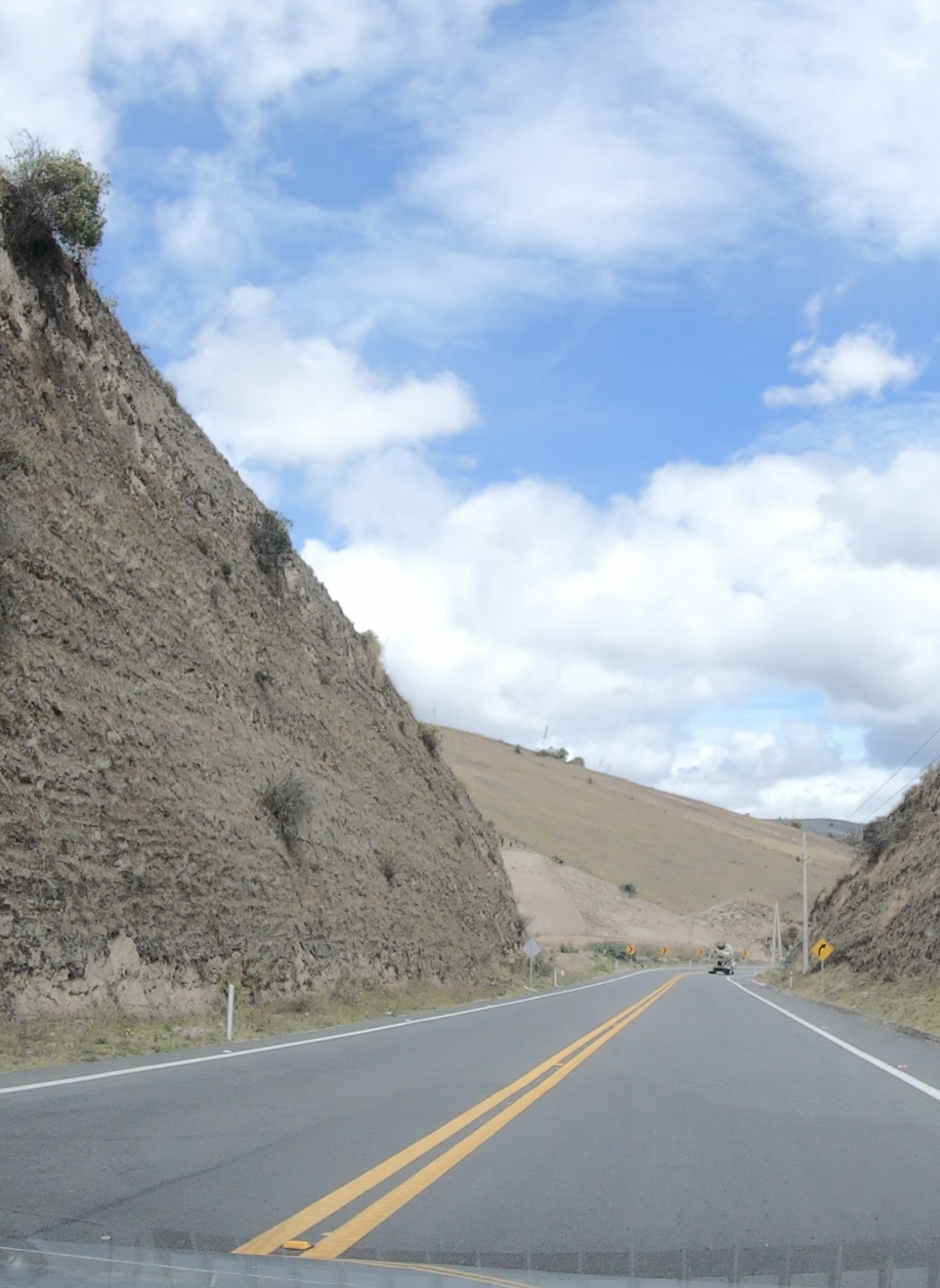
The landscapes were unreal but the road was quite hard. There are strong curves with inclines and descents all the way, not to mention there being only one lane. Some cars were going as slow as 15 km/h and it was quite risky to pass them due to curves and turns.
One good thing is that each gas station we stopped at had really nice, very clean washrooms. This was a relief because we had been worrying about it. Just make sure to have toilet paper with you every time you go to the washroom!
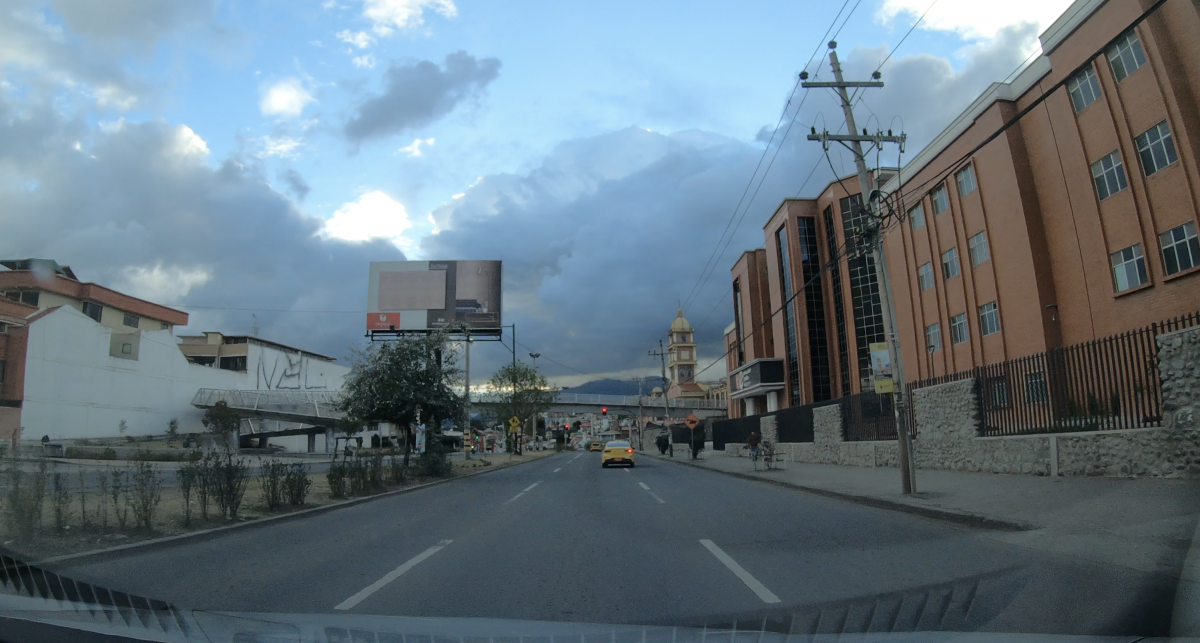
We booked some pretty cool accommodations in Cuenca through Airbnb but unfortunately, they refunded our money and canceled it 2 days prior to the trip. Neither we nor the host was sure what happened, so I reached out to Airbnb support. They advised us that the place received a few complaints with safety concerns. Oh well, we were actually quite relieved after our Airbnb experience in Quito, so we decided to just arrive and book something last-minute. We ended up in a 5-star Oro Verde hotel for only 85 dollars per night. What a treat.
By the way, there are some extremely cool and reasonably priced hotels to stay in Cuenca we were not able to book like Mansion Alcazar, Hotel Carvallo, or Hotel Raymipampa.
I was absolutely exhausted after driving, so we ordered Paella and some desserts through the local app “PedidosYa” (the local version of UberEATS). That was pretty much it for this day.
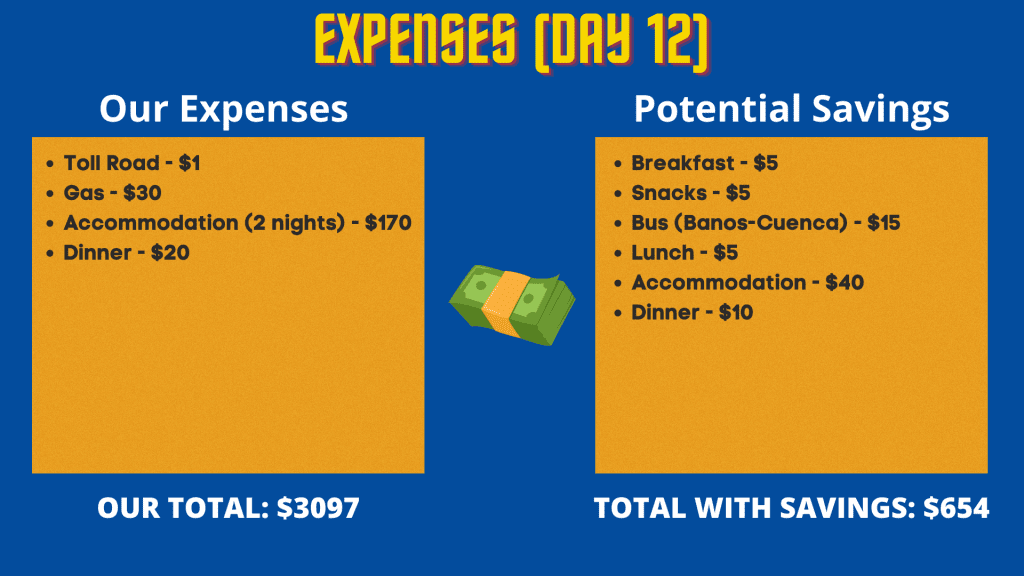
Day 13 (Cuenca)
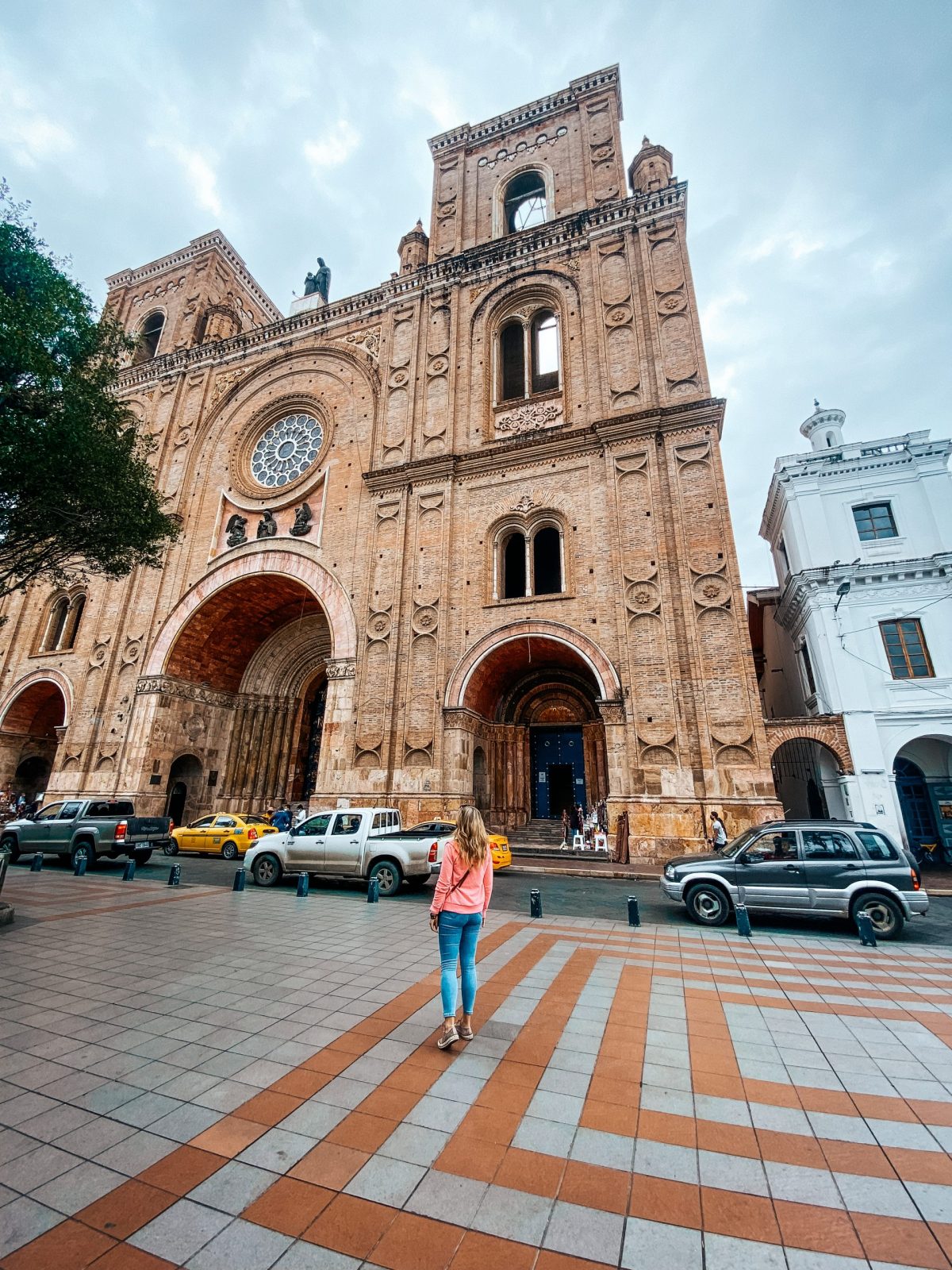
The city of Cuenca in Ecuador is a MUST VISIT in Ecuador if you’re into architecture. They have it all!
After an amazing breakfast buffet at the hotel, we were ready to explore.
Amaru Zoológico Bioparque
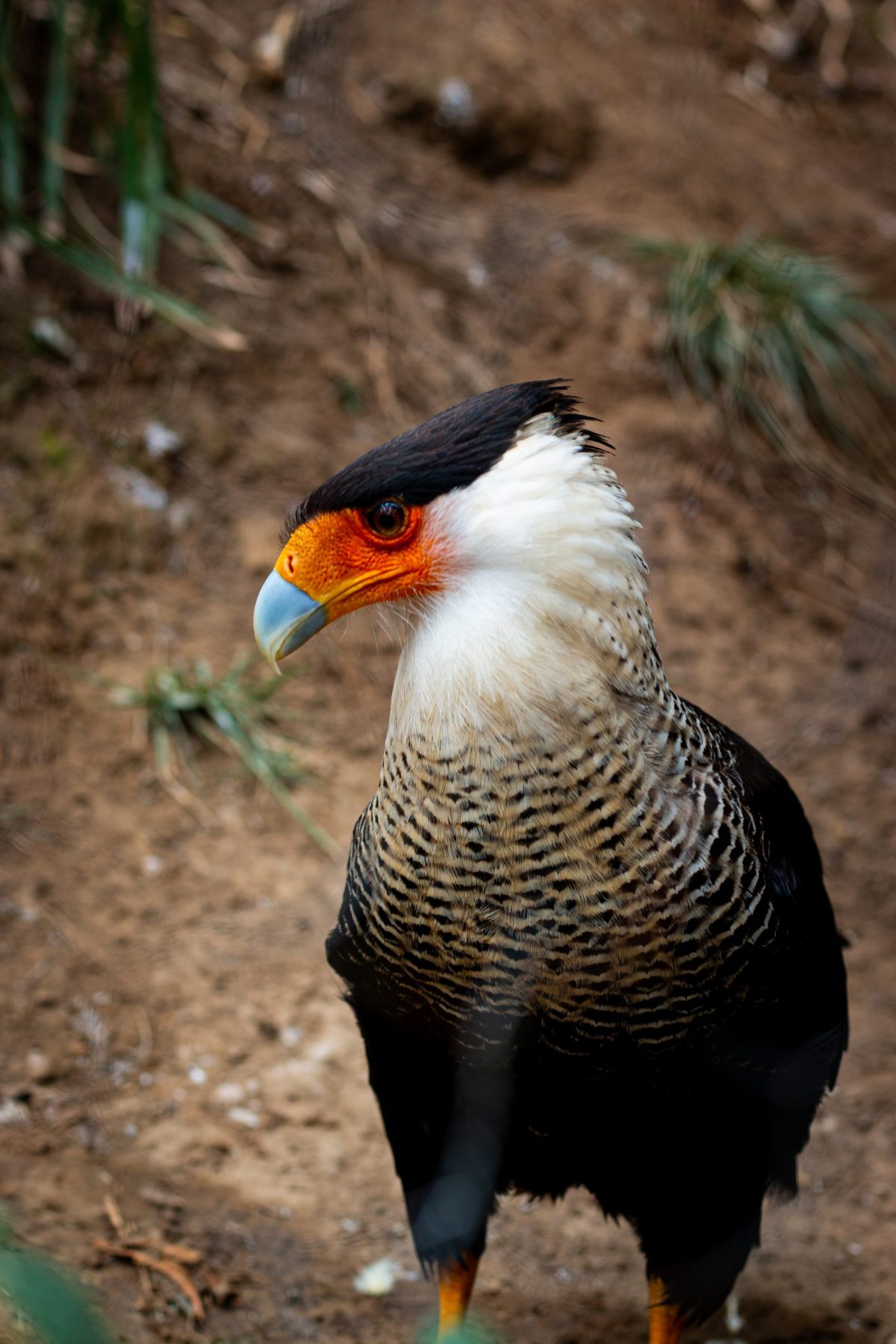
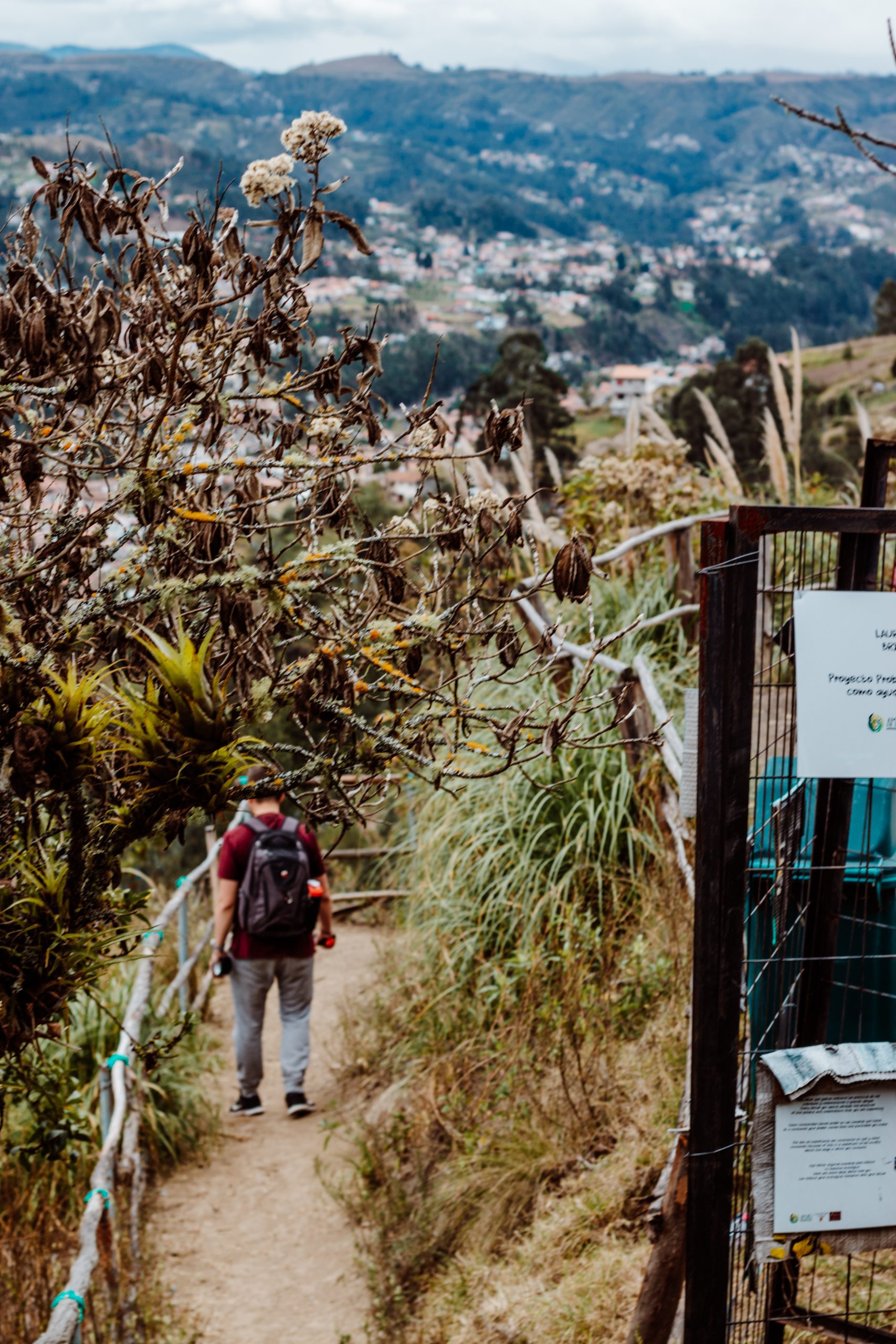
But first… my wife wanted to visit a unique open-air zoo to see the Ecuadorian wildlife in Amaru Zoológico Bioparque. We’re against zoos in general, but this one in particular was supported by environmental zoological organizations with the intention of protecting those animals that were either unable to live in the wild or which had been seized from illegal organizations and hunters.
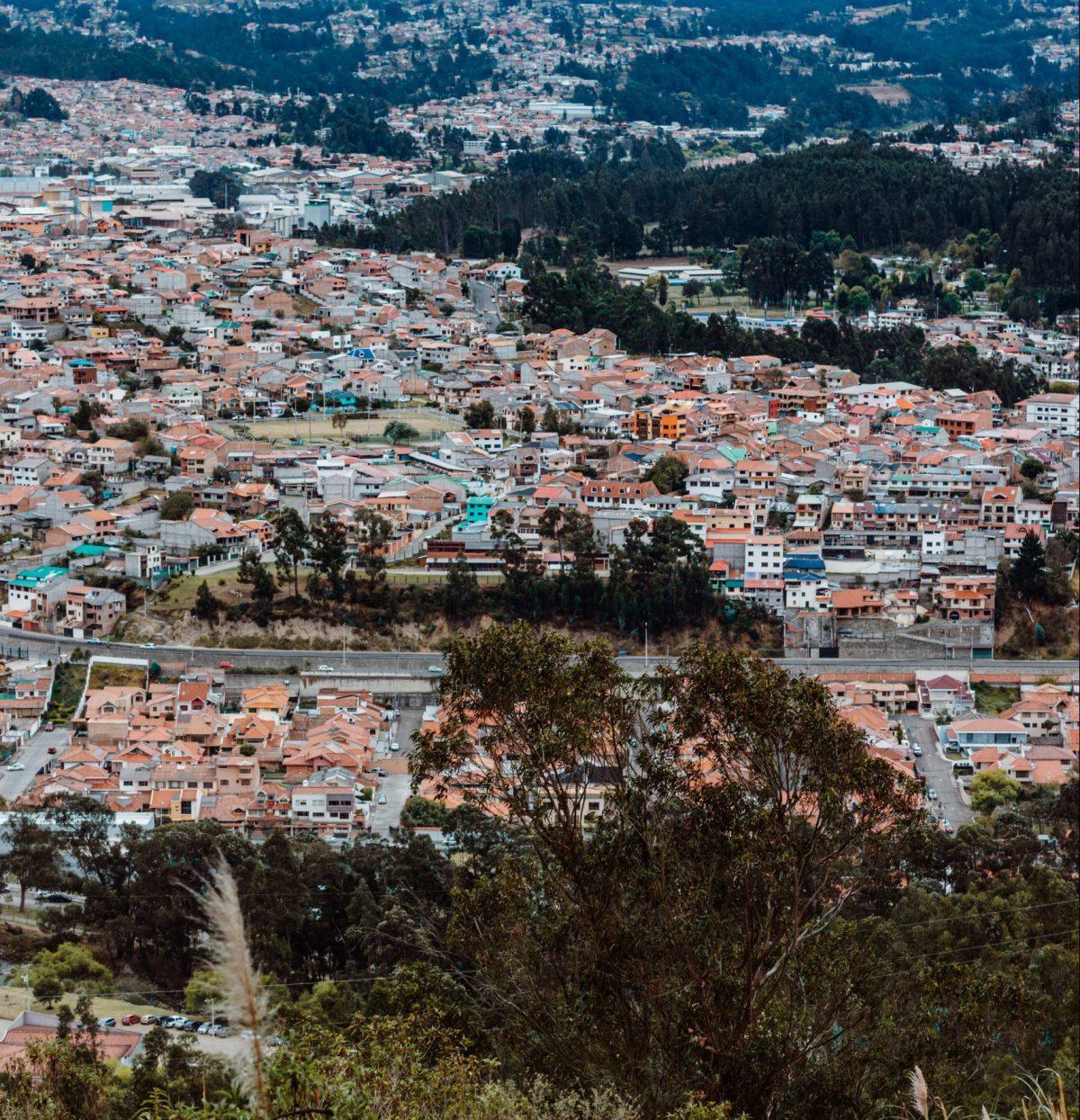
The zoo is located at the top of the city and has some nice views.
It’s also quite unusual in that it’s open-air, derived into different Ecuadorian regions, and is made as a long one-way trail. It took us almost 2 hours to finish the trail, even though we tried to be as fast as we could.
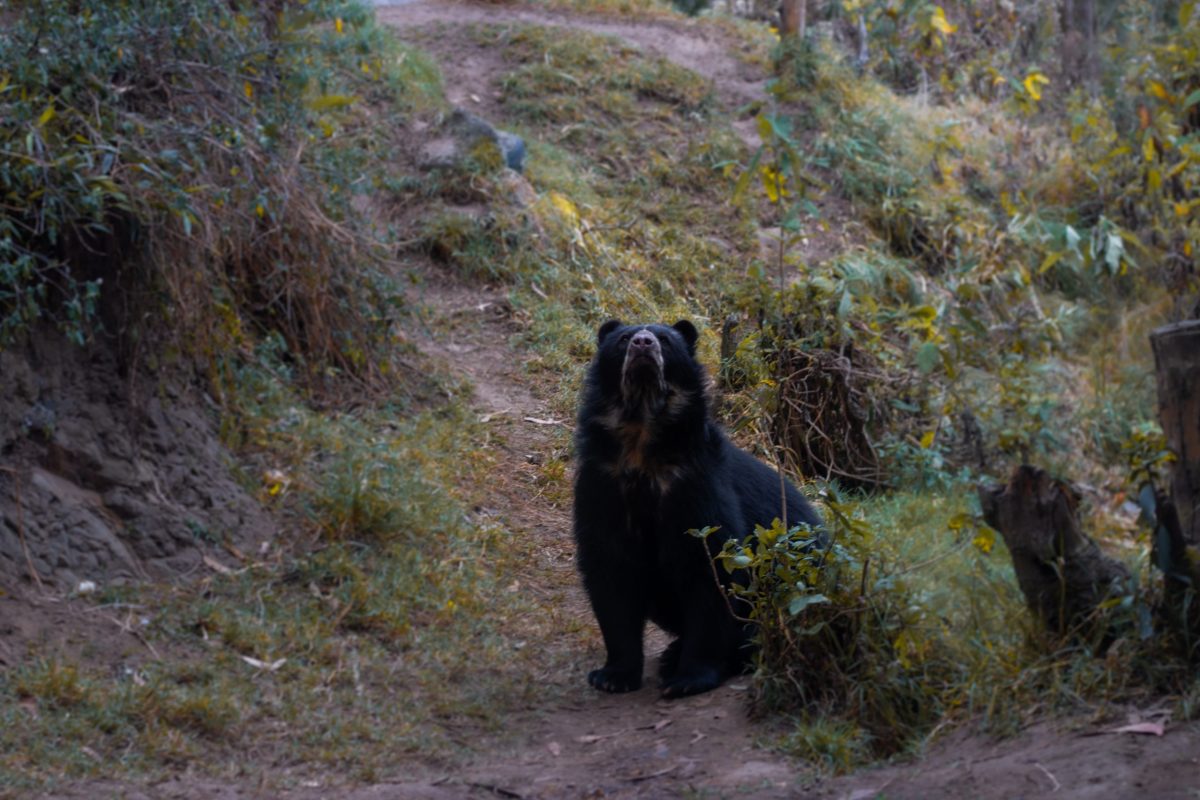
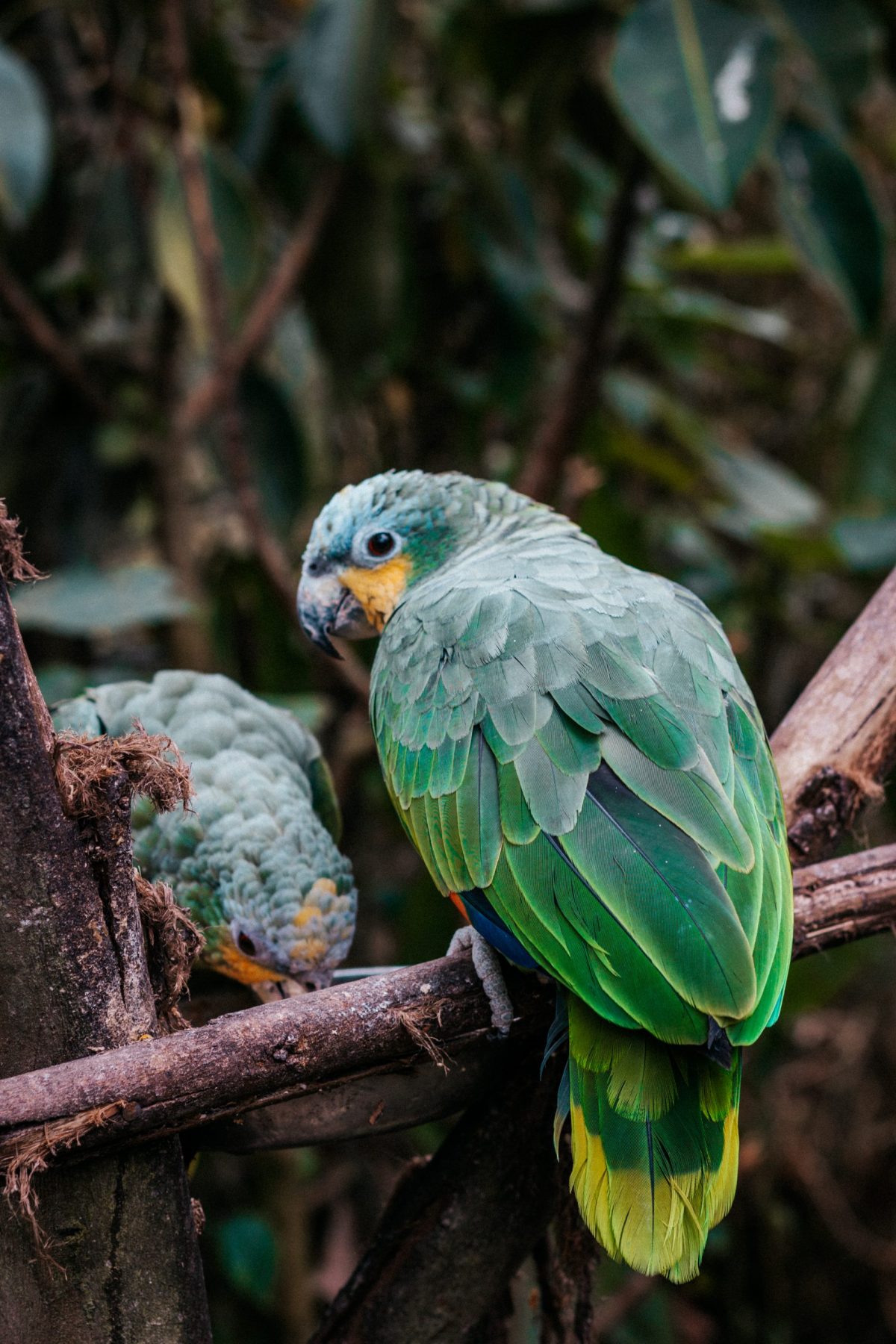
It was great to see the wildlife of Ecuador. There were a few animals that I got to see for the first time in my life, such Spectacled bears, many bird species, and incredibly reptiles.
On the stands along the trail, you can also read horror stories about how the government has destroyed some Ecuadorian forests and animals can’t live in their natural habitats, or how illegal hunters are devastating rare species.
I also loved the “garbage” part of the trail, talking about the importance of recycling and how bad trash is for nature.
Considering the fact that many parents bring their children here, it’s a great opportunity for education as Ecuador is hardly an eco-friendly country.
Cuenca’s historical city center
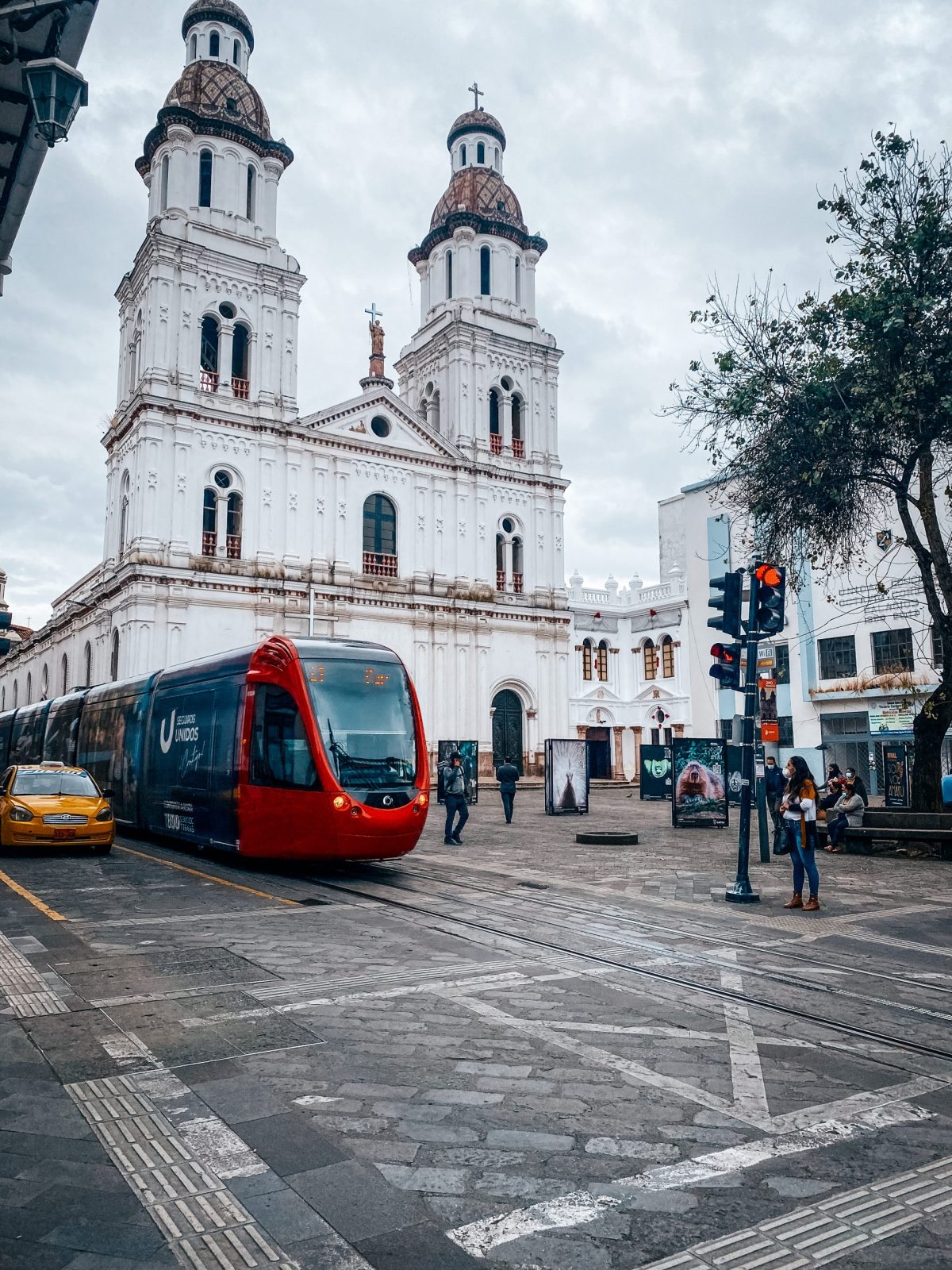
Once we were done, we headed to the historical city center of Cuenca. Cuenca’s architecture is from the 18th century and they do their best to maintain it in the best condition. Because of that, Cuenca’s historic downtown was declared a World Heritage Site by UNESCO. Once again, you can explore it on your own or get a free walking tour, but make sure to book in advance.
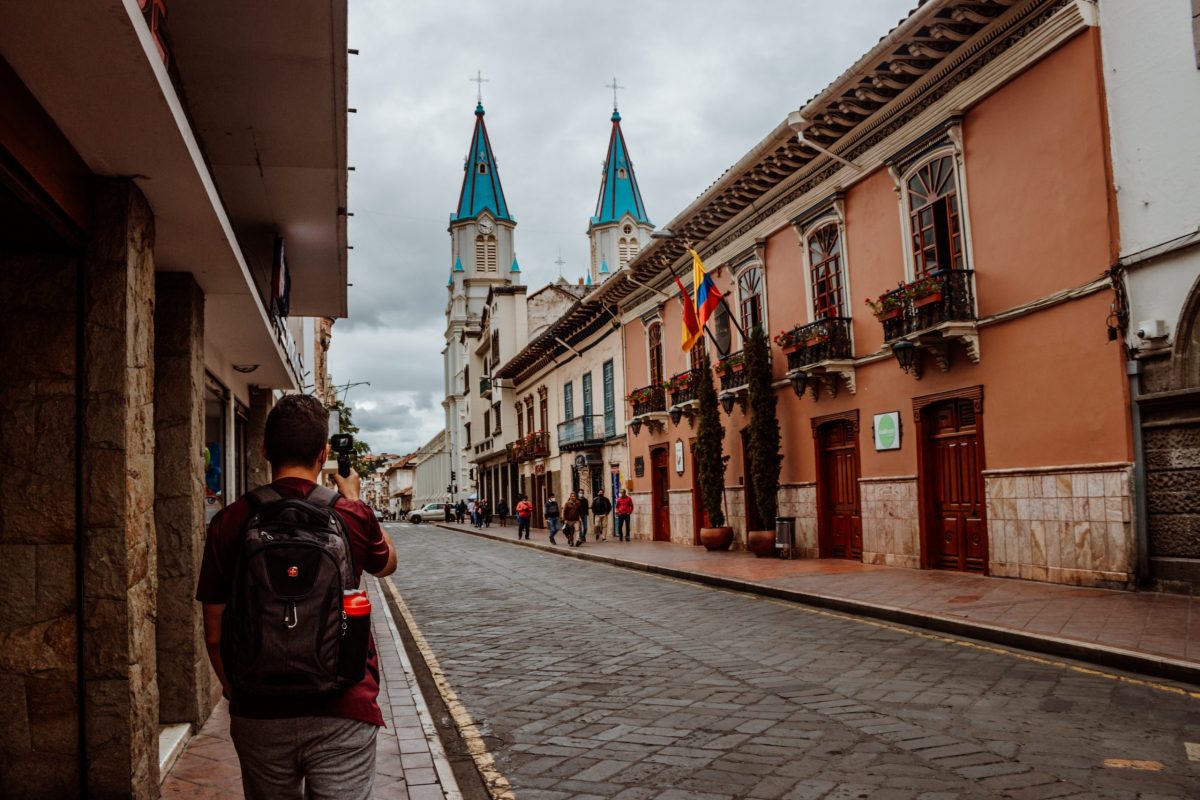
The city center felt way safer when walking in Quito. In fact, Cuenca is considered a safe city in Ecuador. It really felt like we were walking somewhere in Europe. Cathedrals, cafes, markets… everything felt so cozy. The streets were incredibly clean and there were so many fashionable locals.
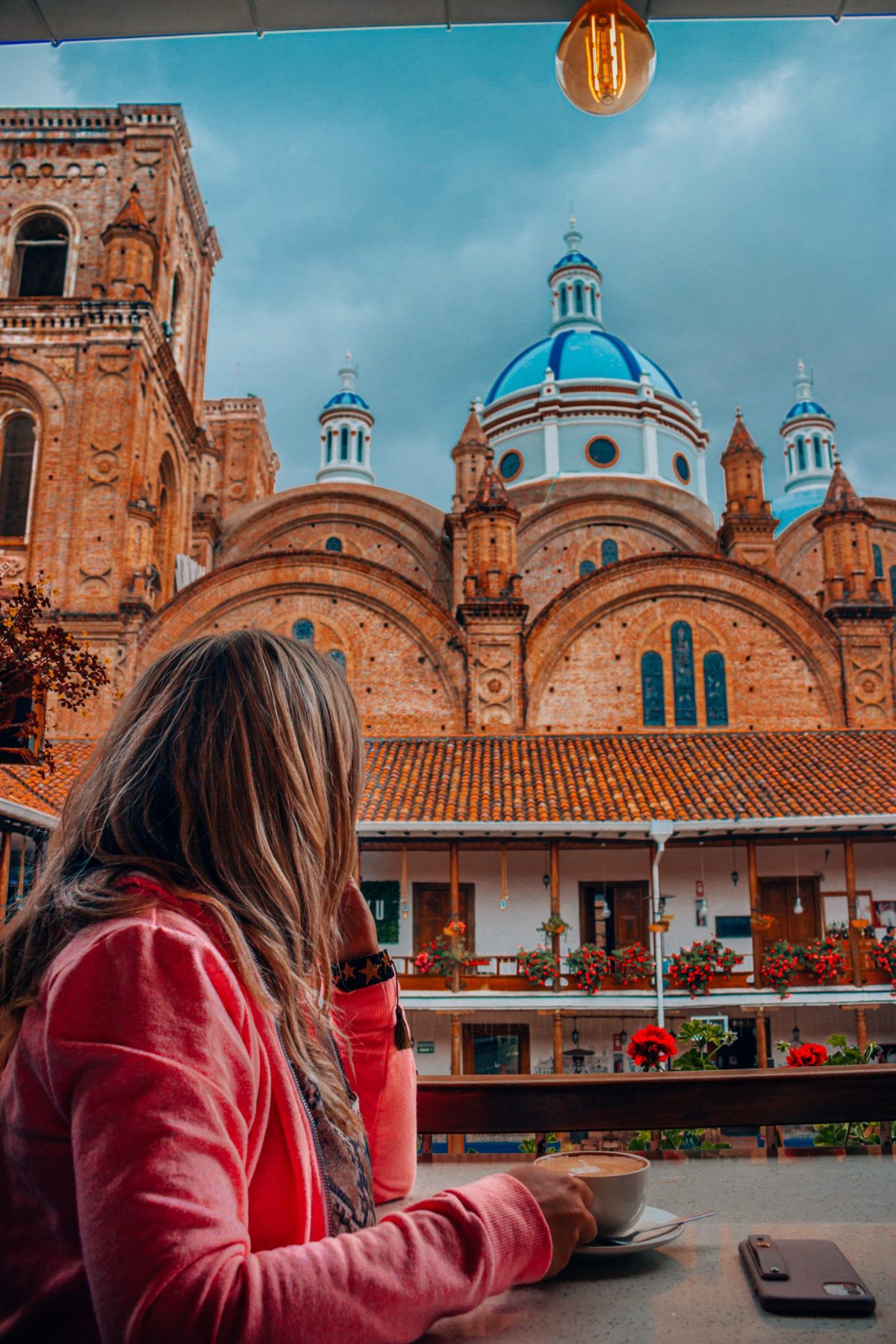
We stopped by this cozy cafe for lunch, right in front of “Catedral de la Inmaculada Concepción”. It was so delicious, too!
We also tried the popular local street dessert Espumilla. It cost only 1 dollar.
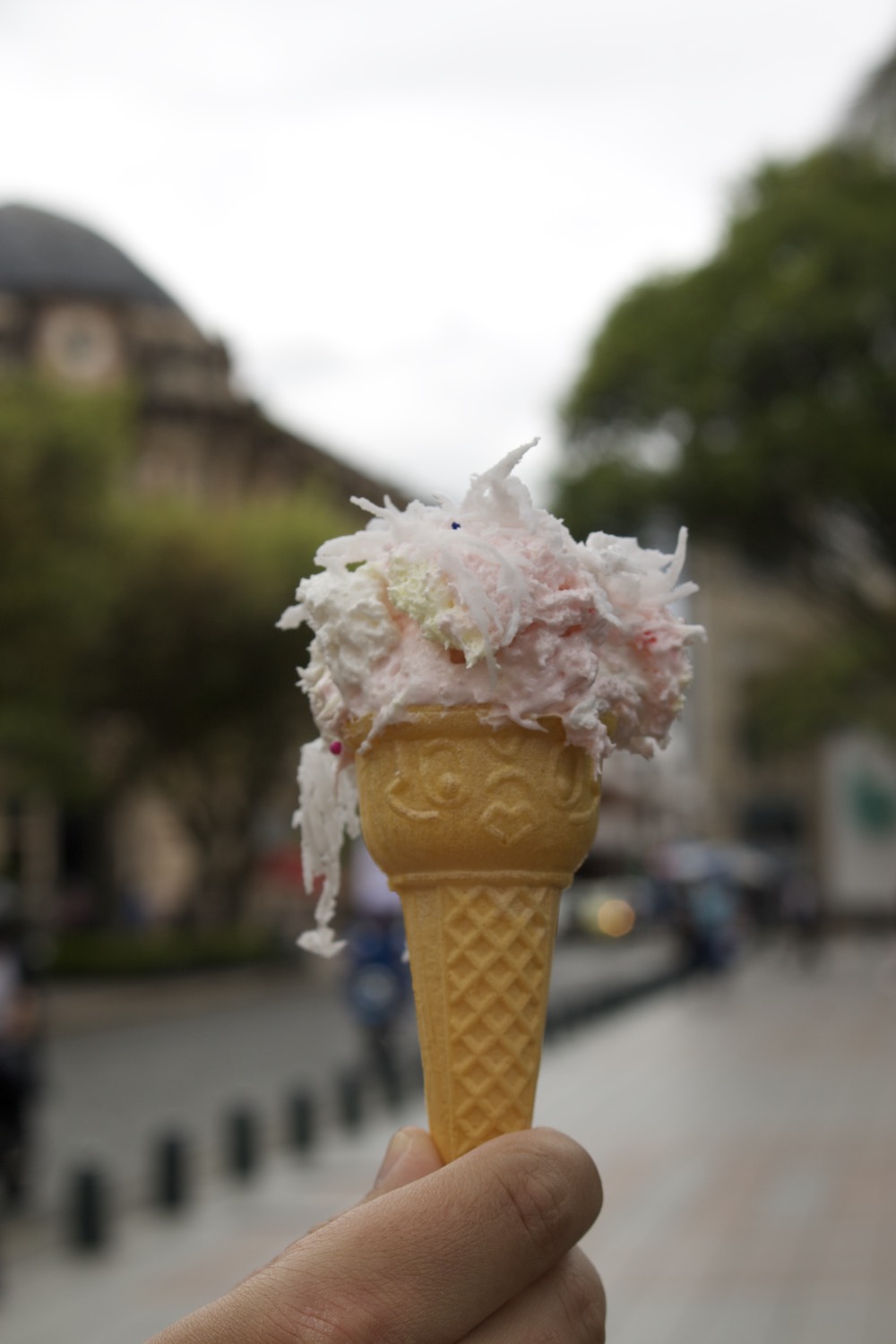
Espumilla
After exploring the historical center, we headed to “Ruinas de Pumapungo”.
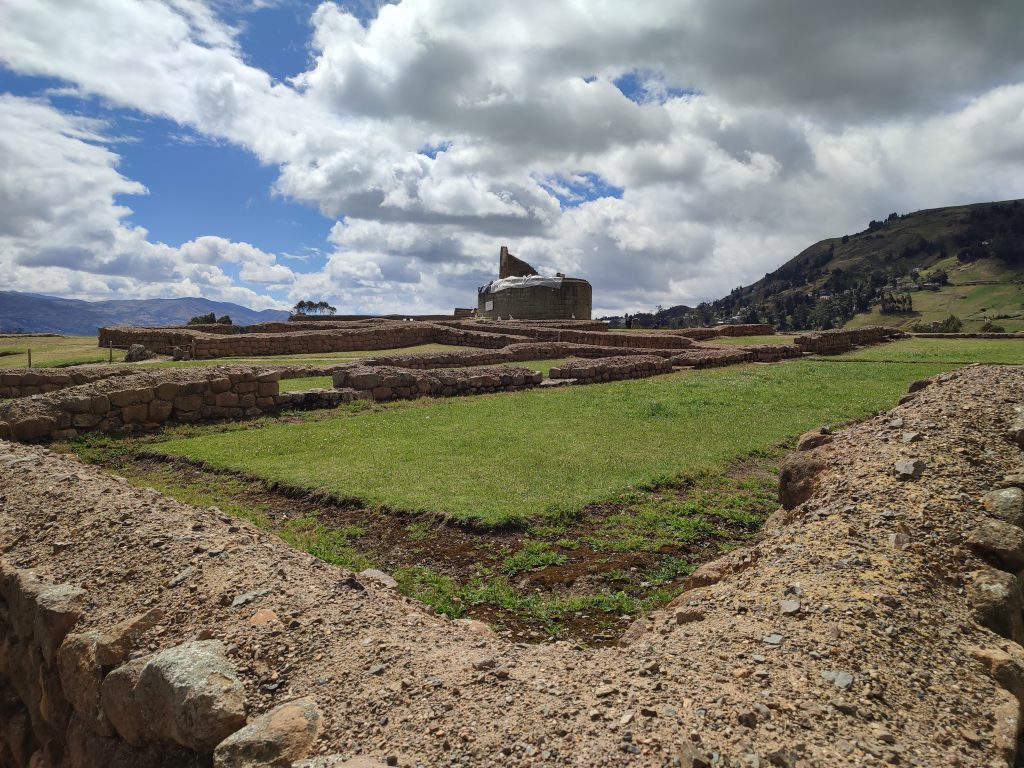
Unfortunately, the weather got worse and the rain started pouring, so we did not have much time to check it out but it’s something you should totally visit in Ecuador.
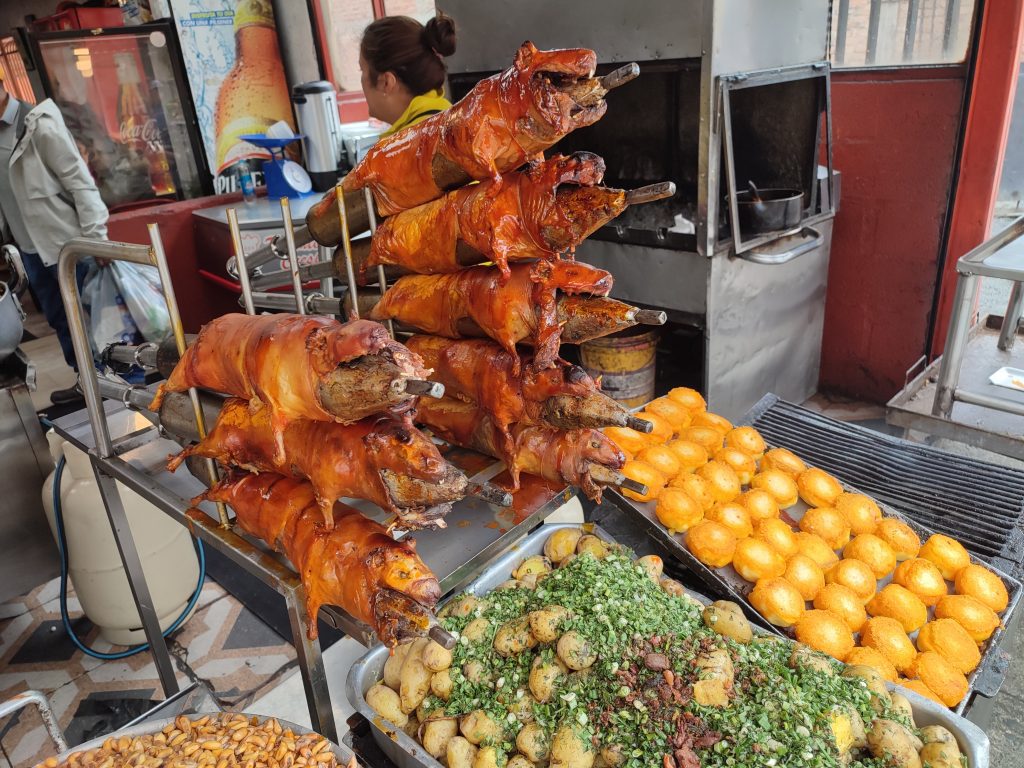
We wanted to explore Cuenca’s restaurants in the evening for dinner since Cuenca is famous for a few cool traditional Ecuadorian dishes such as Cuy asado (grilled guinea pig), or Lechón al horno (a pork dish).
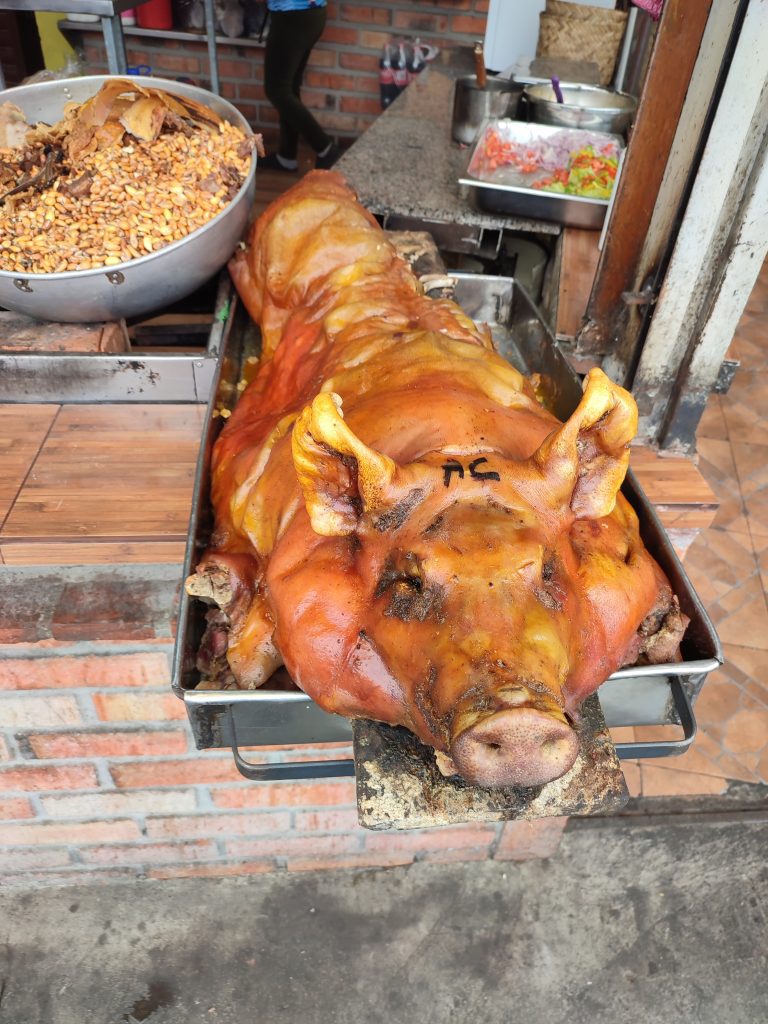
Unfortunately, my wife started feeling unwell so we ordered delivery again and didn’t have the chance to try either.
Day 14 (Cajas National Park and Driving to Guayaquil)
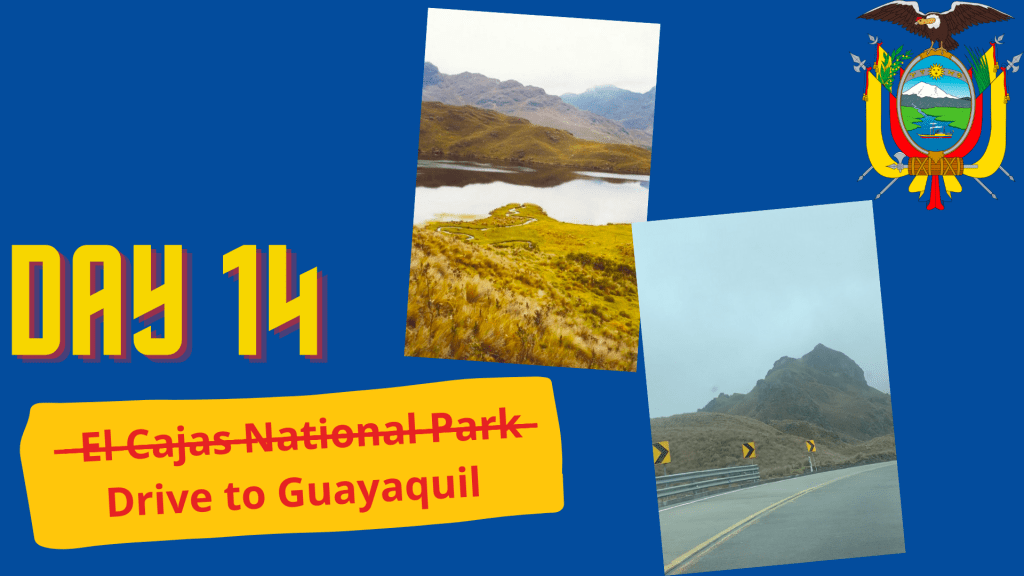
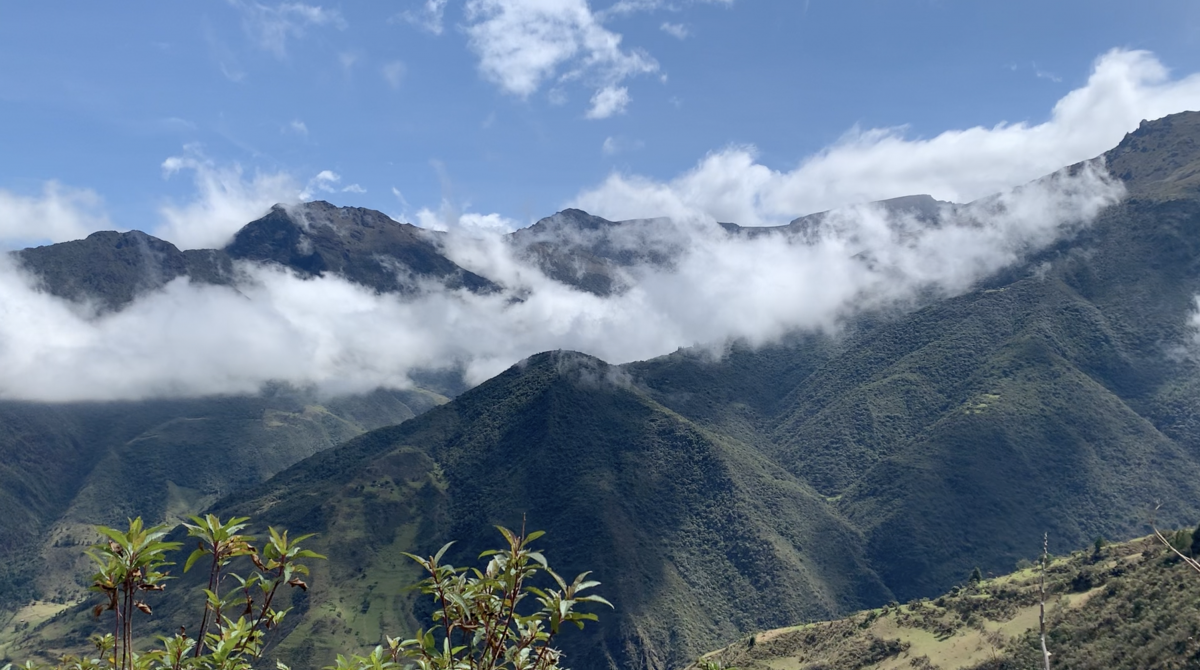
The next morning, we checked out early in order to drive all the way down from 2500 meters above sea-level back to sea-level itself, to Guayaquil through El Cajas National Park.
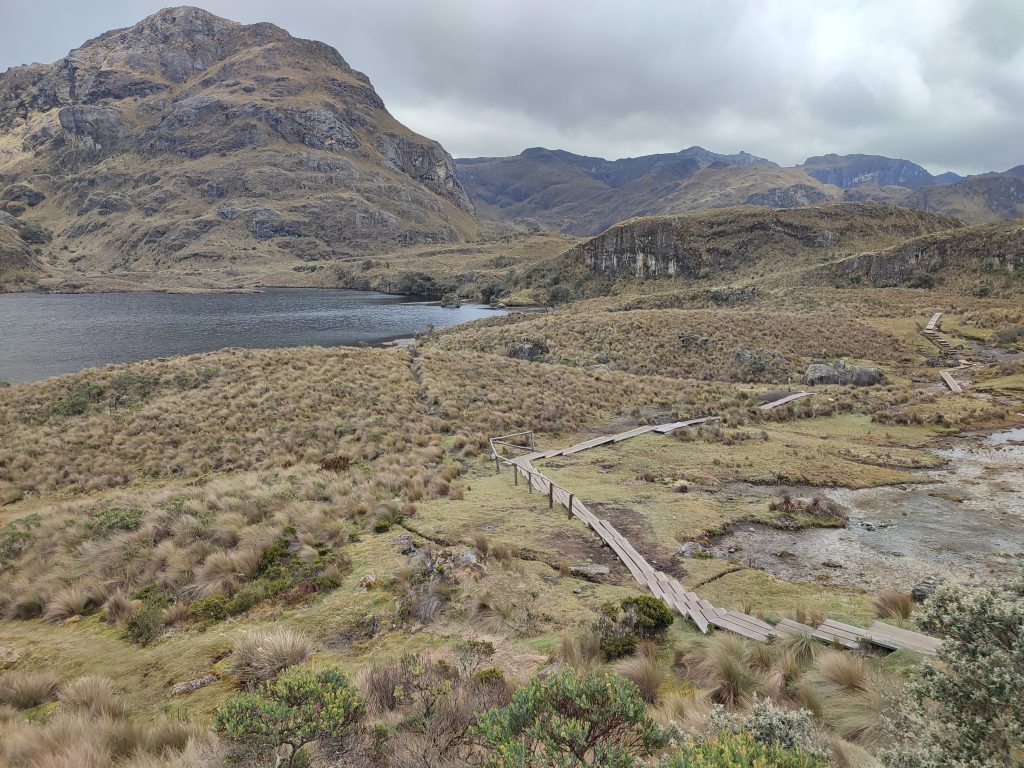
The park has unreal views based on the photos on the internet – when I looked them up, they reminded me of Cotopaxi national park but greener.
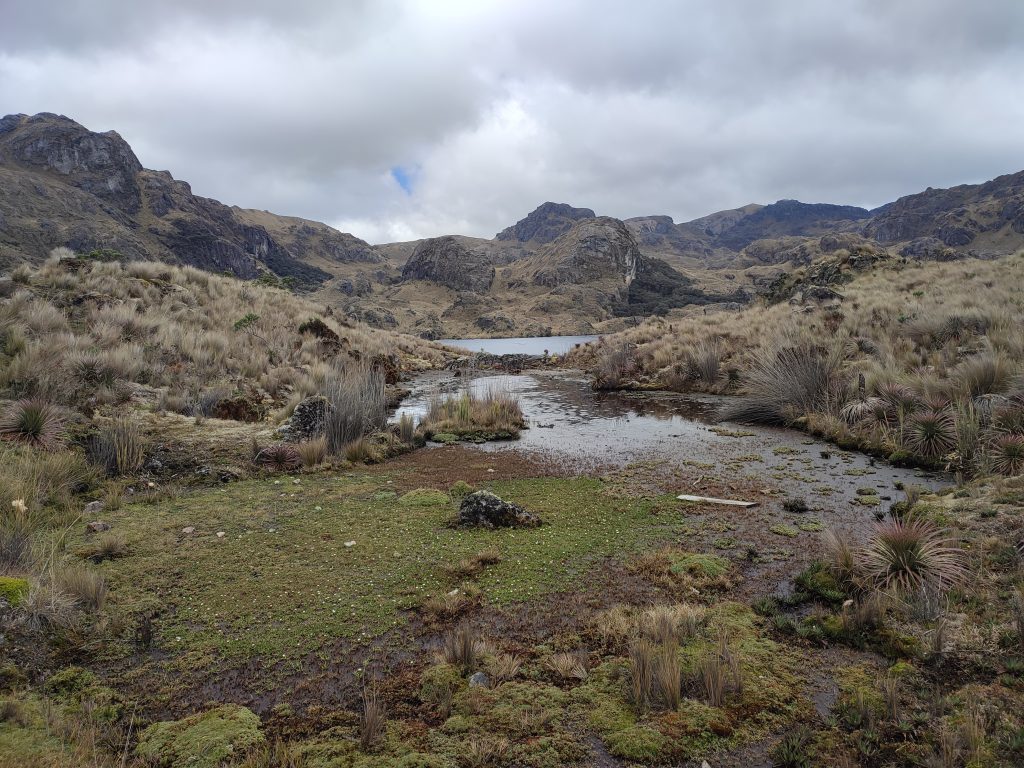
Unfortunately, we didn’t have much time to explore this national park.
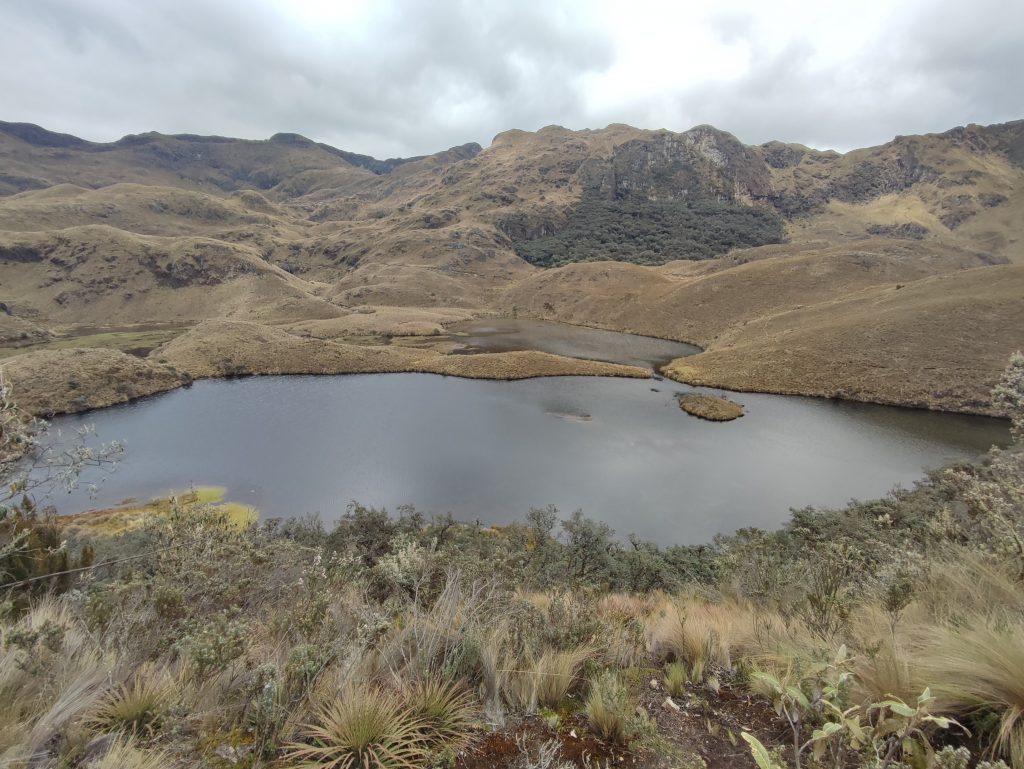
We stopped in a few spots but there are more to explore!
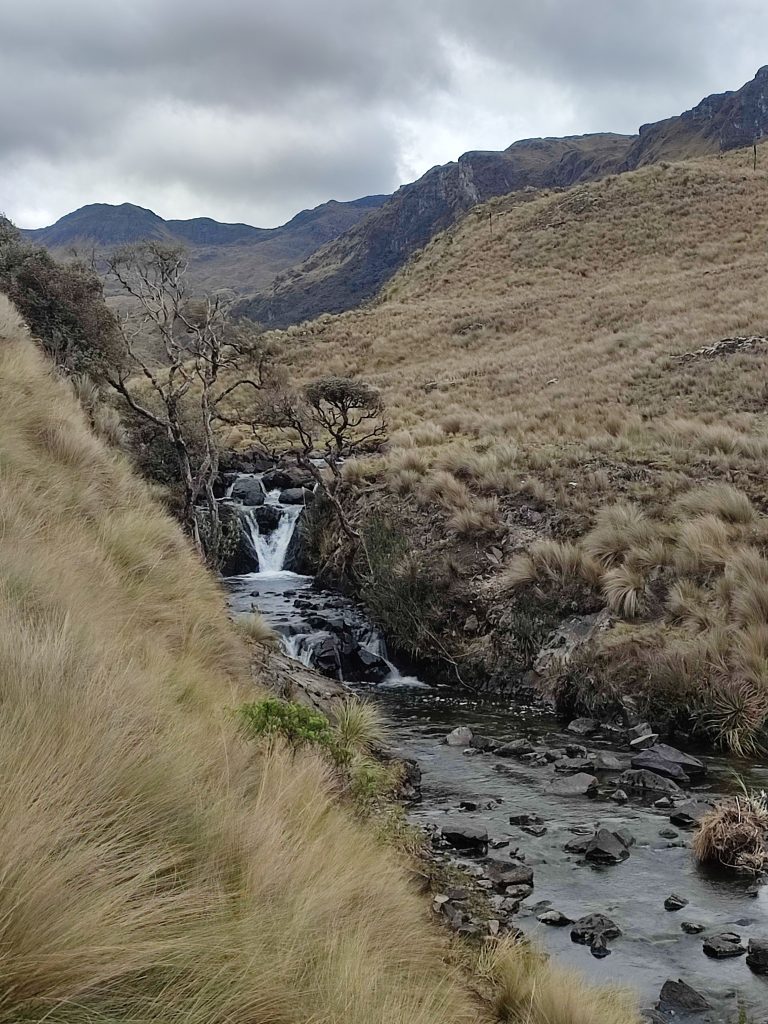
El Cajas is one of the best national parks to visit in Ecuador. Oh well, after all the luck we’d had with Quilotoa lake and Cotopaxi National Park, we weren’t complaining. Besides, the drive had been pretty scenic!
We arrived in Guayaquil at about 2pm and needed to do PCR tests before our Galapagos journey. I really hope that by the time you read this article, you’ve forgotten all about PCRs and can barely remember what COVID is. Unfortunately, we had to spend over 24 hours in Guayaquil because of that.
Guayaquil is the biggest and most criminal city in Ecuador. The traffic was so crazy and stressful. After taking our PCR tests, we grabbed KFC for lunch and began the drive through the city’s downtown area so we could return the car. Let me tell you, it was quite a challenge. Extreme traffic, no one respecting anyone on the road… I was so happy to return the car and get to the hotel.
I felt incredibly tired after the intense drive, so we chilled in the hotel and ordered takeout for dinner for the third night in a row.
Day 15 (Exploring Guayaquill)
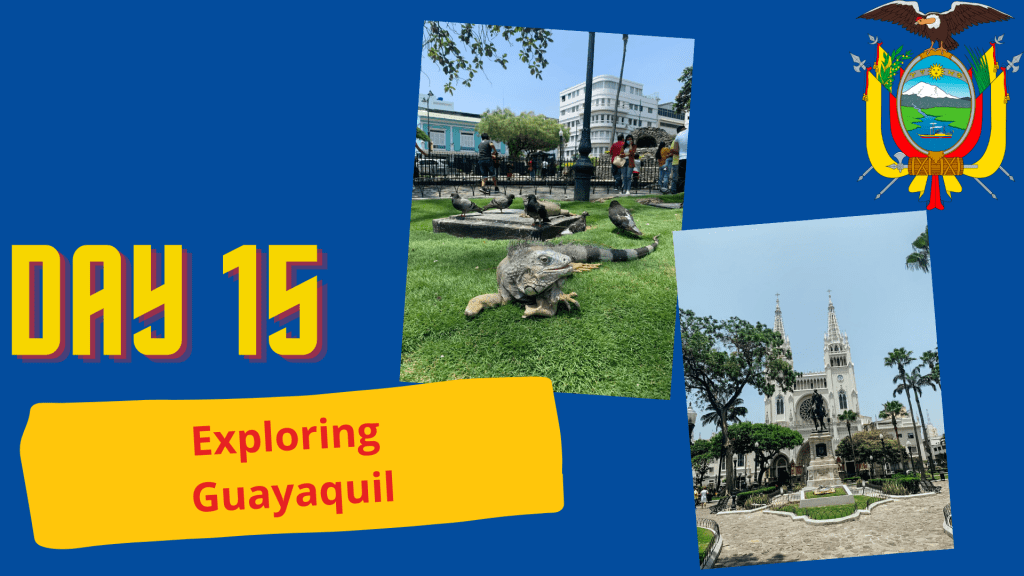
Finally, our last day on the Ecuador Mainland trip. We didn’t feel like exploring Guayaquil at all but had been forced to stay in the city to get our PCR test results. While the city has many beautiful places, we were so tired by this point that we really wanted to get away to the Galapagos islands ASAP.
In addition, Guayaquil is the most dangerous Ecuadorian city. So it’s best to take this city tour or one of these free walking tours because it will be safer than exploring the city on your own.
Also, make sure to stay in a safe area, e.g.we booked Wyndham Guayaquil Hotel and we had an amazing stay with a nice neighborhood around.
Malecon 2000
Nevertheless, we took a cab to “Malecon 2000,” which is a riverside boardwalk with a bunch of local shops and cafes. It’s a nice place and has security all over, if you have concerns about safety.
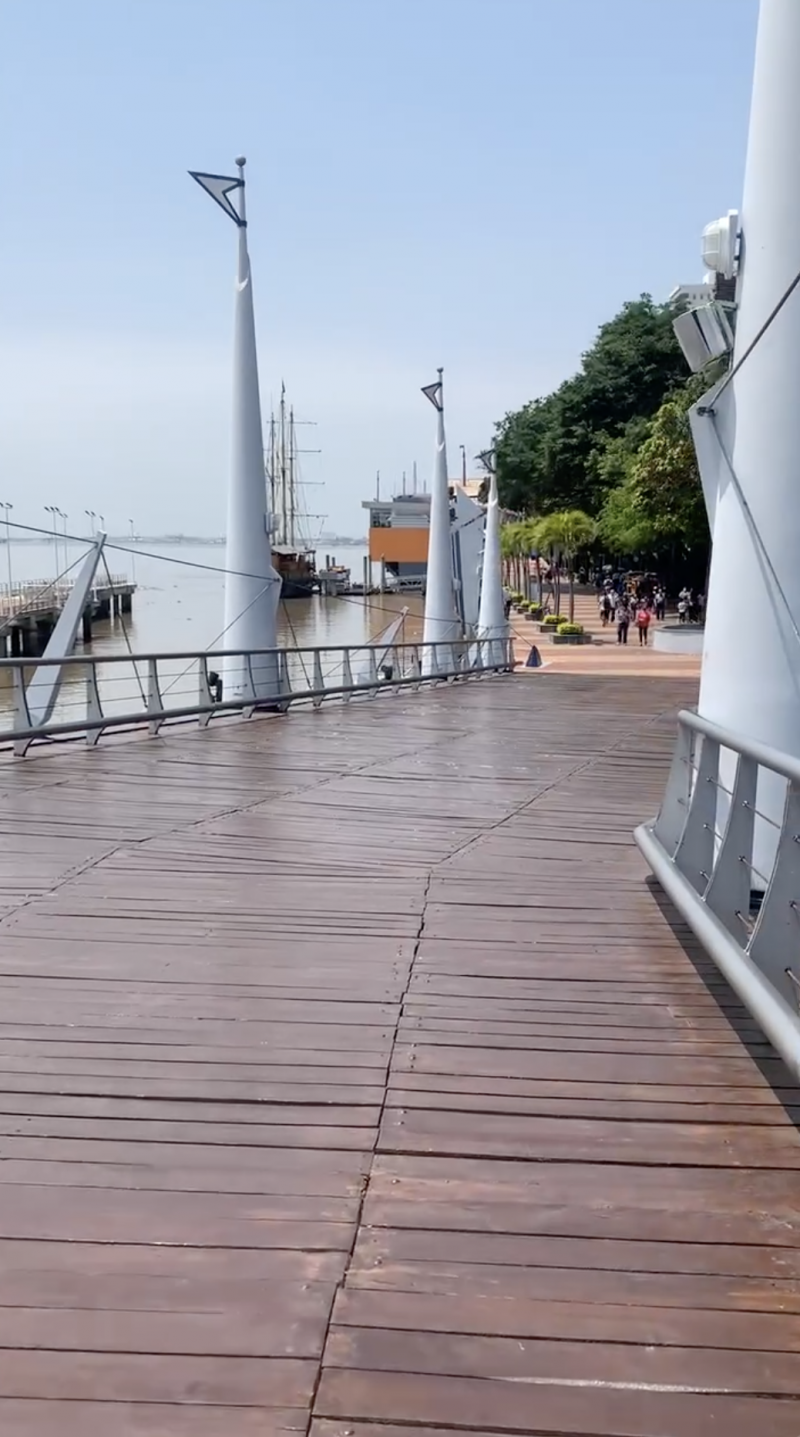
While walking, we noticed that part of the park was closed in preparation for Guayaquil Independence day, which was about to take place the next day.
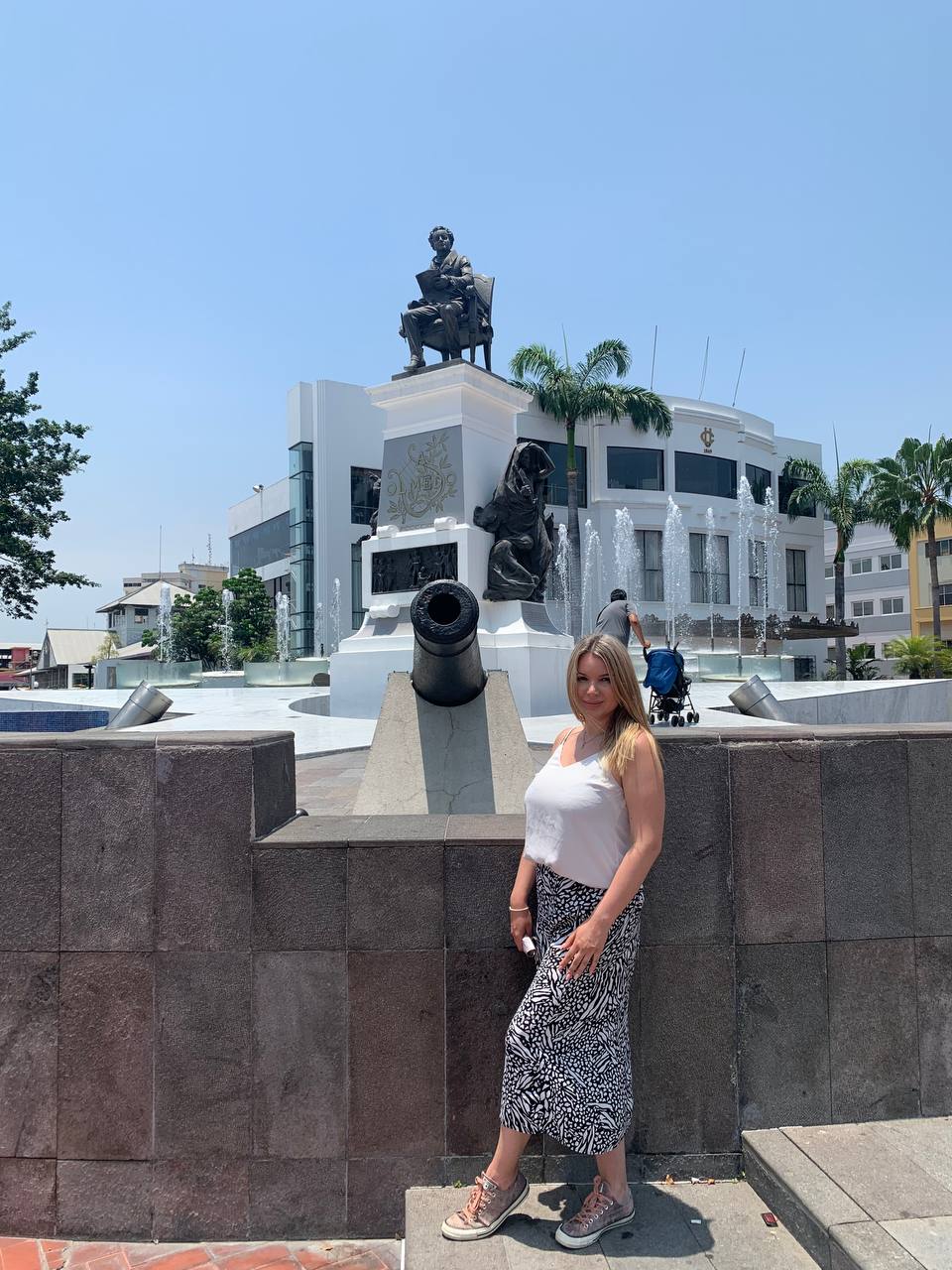
We walked around the area and found a few cool architectural buildings, like “Palacio de la Gobernación del Guayas,” as well as a local live orchestra playing the Guayaquil Independence composition.
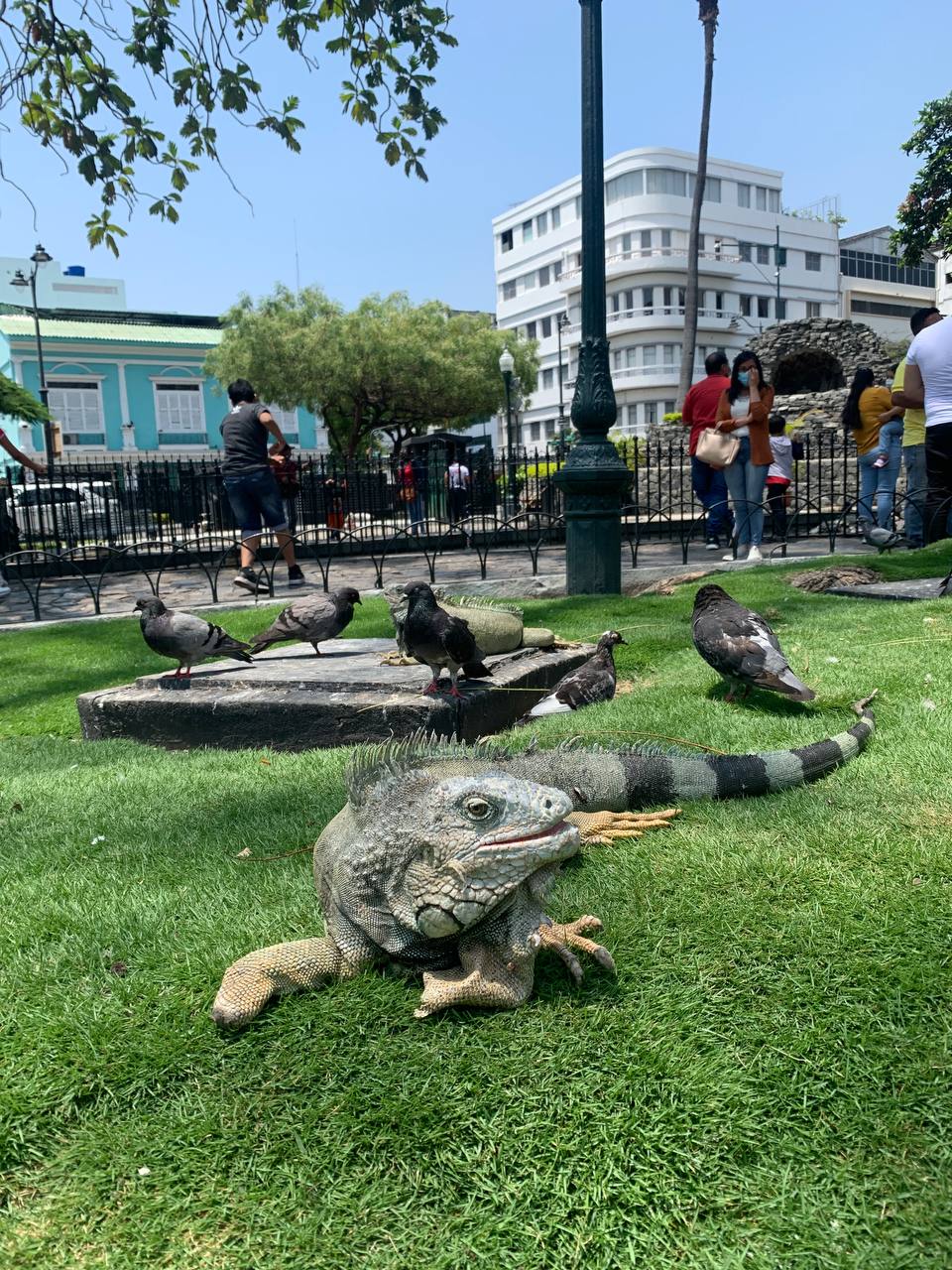
Parque Seminario
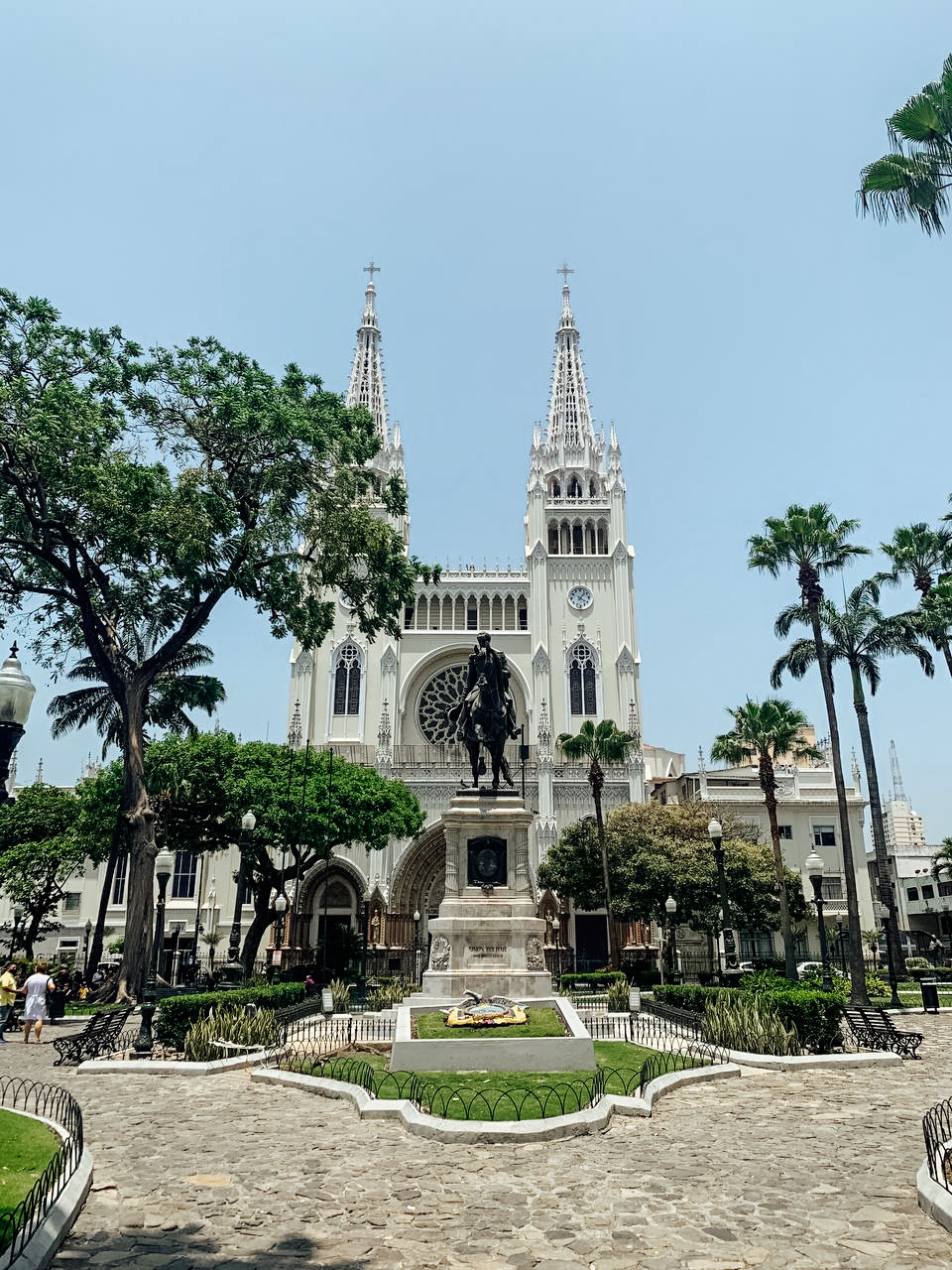
We also recommend visiting Parque Seminario, which has not only a nice historical church, but also a lot of land iguanas and turtles throughout the park. That was a big surprise!
Later, we returned to Malecon, had lunch, and headed to the hotel to pack for the Galapagos Islands. Overall, I can’t say that Guayaquil is a must-visit place in Ecuador.

Conclusion
This was an amazing trip through Ecuador’s mainland that we greatly enjoyed. We’ve visited so many incredible places but, of course, there’s always more. When planning the Ecuadorian trip, we had a few alternative destinations we wanted to visit. After all, Ecuador has such variety to it and 2 weeks is only a limited timeframe. If you didn’t like our route, you can also consider these spots:
- Mindo is a small town located in the middle of cloud forest and offers activities like waterfalls, ziplines, and natural baths. It’s sort of like Banos but more tropical.
- The Amazon experience. There are so many different Amazon tours, either for just one day or over multiple days. For us, after watching too many YouTube videos, we didn’t find the views to be particularly beautiful or unique. We mostly saw dirt and humidity, but many people go to Ecuador specifically for Amazon experience.
- Coastal Ecuador is also quite unique. One of the most popular cities is Manta. The only reason we decided to skip this part of Ecuador is since our trip also included a visit to the Galapagos Islands.
- Hiking, climbing, camping, and mountain biking are available in all national parks in Ecuador and many travelers we met along the way provided good feedback.
- Alausi The Devil’s Nose Train Ride is also a one-of-a-kind attraction with great scenery and views. (UPDATE: it went bankrupt and was discontinued)
Finally, let me cover a few popular questions about Ecuador based on my experience:
Traveling in Ecuador FAQ
Can I travel without any knowledge of Spanish?
I had absolutely no Spanish knowledge when we booked the trip and only 2 months to learn the basics. Because we travelled on our own, we really needed to know a little Spanish – luckily, a friend of mine recommended the LingQ app. It was definitely a life-saver because I had to communicate in Spanish on multiple occasions, such as with national park officers and hotel receptions, when ordering food, and so on. Luckily, no conversations with any cops took place! I only used the app once a day for just 1 hour and I pretty much learned the basics. I was able to maintain simple conversations, order food, use gas stations, ask for directions, and so on. Of course, it was definitely broken Spanish but it was also extremely helpful. Alternatively, you can also use free translators from Google or Apple, as I had to on a few occasions. However, as we hopefully all know by now, the translations aren’t always 100 percent accurate and it takes a lot more time to communicate. To sum up, with today’s technology, you can easily travel Ecuador without any knowledge of Spanish. However learning the simple basics will make your trip both more pleasant and far easier.
Should I take any medication before traveling to Ecuador?
We would recommend checking your official country’s advisory. My wife and I had the Yellow Fever vaccine as it seems to be especially common in the Amazon region.
Most importantly, think about the need to adjust to such a high altitude when planning your trip. Quito, the capital of Ecuador and the first destination of many travelers, is located 2,850 meters (or 9,350 feet) above sea-level. A lot of people struggle at this altitude and have troubles over the first few days, as they can’t properly breathe or sleep. Our doctor recommended we take Chlorophyll (specifically ChlorOxygen) one month before the trip, as it helps you traveling to or living in high altitude locations by increasing the amount of oxygen available to our cells. It was EXTREMELY helpful. At the end of our trip, after we’d stopped taking ChlorOxygen and when we came back from Galapagos to Quito for the flight home, it was a pain! We weren’t able to sleep through the night due to a lack of oxygen, yet in our first days we had been perfectly adjusted.
Finally, if you’re also planning to travel to the Galapagos Islands, make sure to grab travel pills if you tend to experience seasickness. Traveling between the islands will take from 2 to 2 and a half hours on a small boat in the open ocean.
Should I rent a car or use public transport in Ecuador?
You’ll save a lot of money if you use public transportation. The buses between the cities are extremely cheap, coming in at about 6 dollars per person for 200-300 kilometers (or 125-185 miles). However, the accident rate involving buses is also quite high, not to mention the fact that you have to stick to the schedule when you’re depending on public transport.
The taxi and Uber services are quite cheap, too, so if you’re staying in the big cities for a few days then I’d recommend using them. For example, a 45-minute ride cost us only 9 dollars.
If you decide to rent the car, like we did, then you’ll be saving a lot of money if you’re able to drive stick or manual. We can’t, so we had to overpay by about 30% for renting a car with an automatic transmission. Ultimately, we paid 1238 US dollars for 11 days (unlimited kilometers). I would also recommend renting an SUV if you intend to visit volcanoes and lagoons.
Is it dangerous to drive in Ecuador?
I honestly expected driving to be way more dangerous than it was. Surprisingly, the drivers aren’t aggressive at all! The road conditions are fairly good unless you’re heading to village areas or through some specific areas of the national parks.
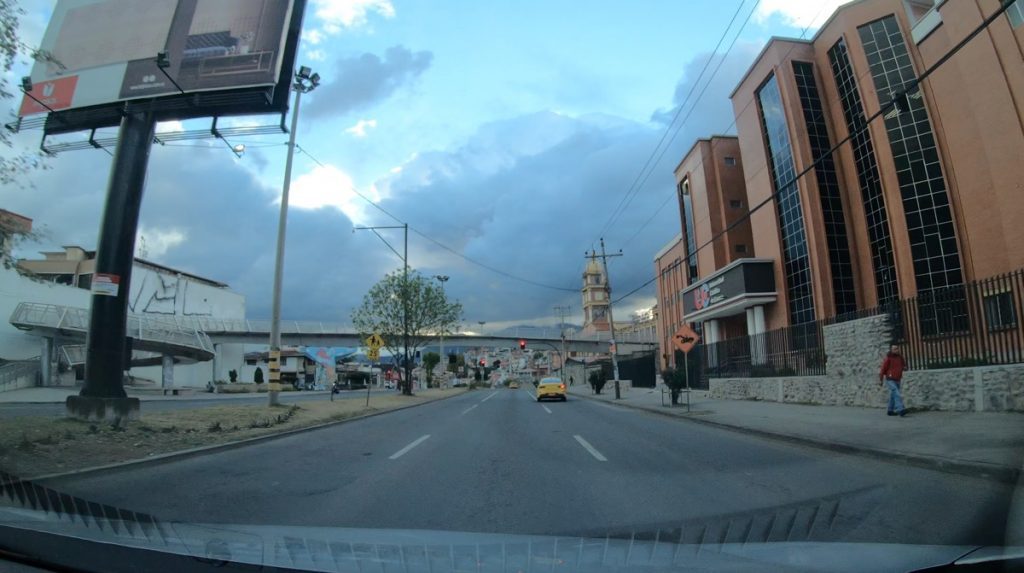
When in traffic, you might see sudden or seemingly random actions on the road, since absolutely nobody uses turn signals and many completely ignore red lights. However, everyone drove smoothly, they weren’t aggressive, and I didn’t stress at all while driving there. Of course, things are slightly different for each and every driver, but I got used to it within the first hour. I’d say the most dangerous parts of driving were the curves in the roads and the chance of getting distracted by the unreal views during the drive. I shared more tips about driving in Ecuador here.
Have more questions? Throw them in the comments! If you find this guide valuable, I will highly appreciate if you buy me a coffee or use my referral links 🙂 It took some effort to combine all this information into an Ecuador travel guide.



Wow! So much awesome information! I am hoping to visit some time soon but don’t really want to use the tour guides and hope to do the visits on my own with a rental. Thank you for all the info
Glad to hear my Ecuador travel guide is helpful 🙂
Great travel experience, I am planning 20 days driving trip in Ecuador, it is very helpful
Have a good trip to Ecuador! Glad it was helpful.
Please do not call Baños “the city of bathrooms!”. It’s referring to the thermal baths caused by the Tungurahua volcano.
Otherwise your insight and travels are interesting.
Me encanta Como muestra mi país ecuador, lleno de encanto