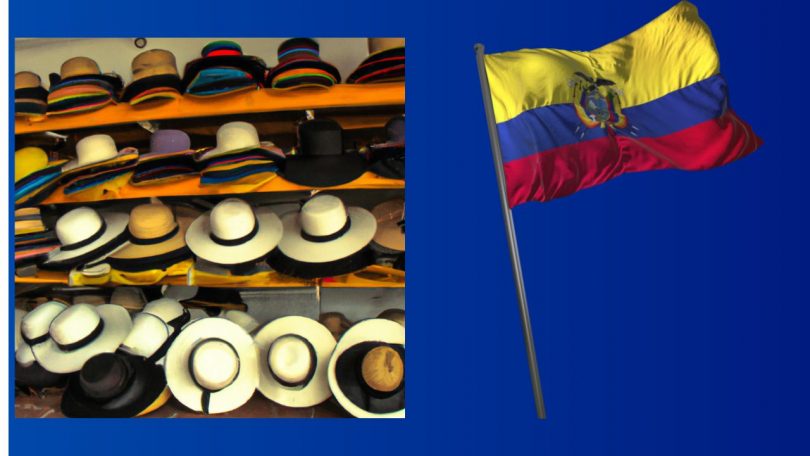
Montecristi hats are a type of straw hat that is handmade in Montecristi, a town located in the province of Manabí in Ecuador. These hats are known for their high quality and durability, and are often referred to as the “Rolls-Royce” of straw hats.
It is located about 15 km north of Manta and can be reached by car or bus.
The town has a rich cultural history and is known for its traditional crafts, such as weaving and pottery. It is famous for its production of Panama hats, which are also known as Montecristi hats.
Panama hats are hand-woven from the fibers of the toquilla palm. They are renowned for their high quality and craftsmanship and are considered some of the finest hats in the world.
The process of making a Montecristi Panama hat is highly intricate and can take several months to complete. Many of the residents in Montecristi are involved in the production of Panama hats, and the industry is an integral part of the town’s economy.
Our visit to Montecristi was worthwhile and was a highlight of our trip to Ecuador. We bought a couple of Panama hats in Montecristi as a souvenir of the vacation but also as a fine fashion statement.
What Makes Montecristi Ecuadorian Hats Unique?
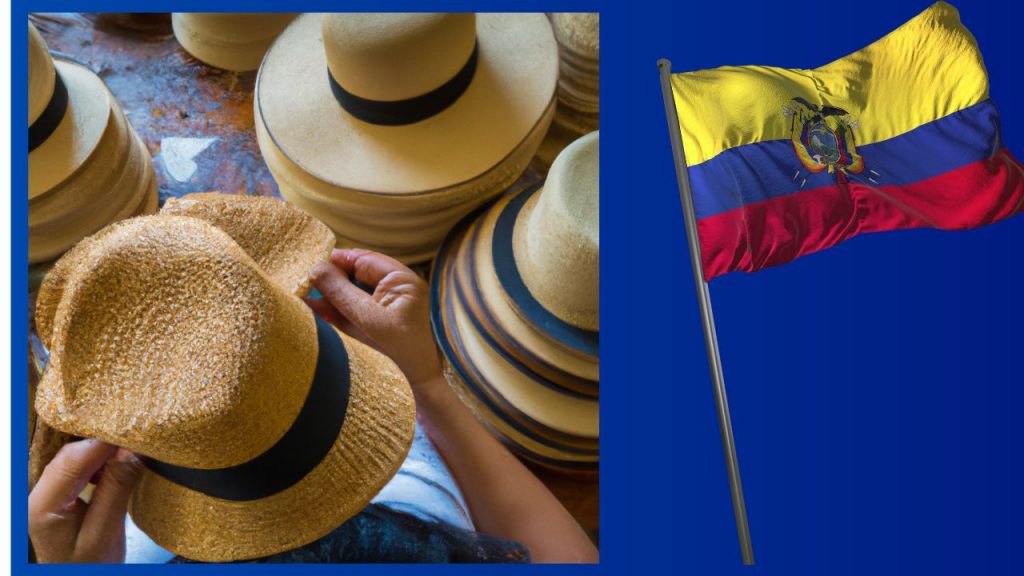
There are several factors that contribute to the unique character of Montecristi hats. One of the most important is the material used to make them. The straw used to make Montecristi hats is called “toquilla straw,” and it comes from the Carludovica palmata plant. This type of straw is known for its flexibility and strength, and it is carefully selected and processed by the hatmakers to ensure the highest quality.
Another unique aspect of Montecristi hats is the level of craftsmanship and attention to detail that goes into making them. The process of making a Montecristi hat is entirely handmade, and it can take several weeks or even months to complete a single hat. The hatmakers use a variety of techniques, including braiding, weaving, and blocking, to create a hat that is both functional and aesthetically pleasing.
In addition to their quality and craftsmanship, Montecristi hats are also known for their versatility and style. They can be worn in a variety of settings and can be customized to suit different tastes and preferences. As a result, Montecristi hats have become popular with a wide range of people, including celebrities, politicians, and everyday hat enthusiasts.
Where Can You Buy Panama Hats Outside Ecuador
While authentic and quality Panama Hats can be found in Montecristi, Ecuador, you can still get one without going to the country. Here are some of the top Panama Hats we have found online.
ULTRAFINO Authentic Aficionado Straw Panama Outback Safari Hat

This hat is a safari-inspired fedora with a reinforced teardrop crown created by hand-blocking. It features a wide, non-adjustable brim, a comfortable twill sweatband, and a rugged hatband made of braided rope.
The front and back of the brim are secured in place, and a wire is inserted to maintain its shape. This authentic Panama hat has been meticulously woven by hand in Ecuador and hand finished in the US.
A hat categorized as Ultrafino grade requires a minimum of 600 weaves per square inch and typically takes around six months to create. The term “Ultrafino” translates to “ultra-fine” in Spanish and has become the defining characteristic of the company’s products.
This Panama hat is definitely worth your money. It looks as fancy as the one we bought in Montecristi. The weaving is tight, although not as refined as the one from Montecristi.
The size is also perfect as it fits me nicely. There are other hats that I need to wear with a foam strip for a snug fit. But not for this one. It is comfortable, and I love wearing it! Check the current price on Amazon.
Brixton Men’s Messer Medium Brim Felt Fedora Hat

The Brixton Messer fedora with a flat brim features a soft 8cm/2.5″ brim and is adorned with a black faux leather band that showcases a debossed logo.
It is crafted from wool felt and serves as an excellent accessory to elevate the style quotient of both casual and formal outfits.
This hat is nicely crafted. However, the band looks and feels more like rubber or plastic. It was also shipped with no case and came a bit deformed.
Nonetheless, I can say that the quality is worth its price. The size is a bit small, but it still emphasizes your outfit.
Tumia – Fedora Panama Hat

Tumia is a known Panama hat brand in the UK. These Panama hats are meticulously handwoven in Ecuador and finished in Bristol, England. Fashioned from multiple delicate “iraca” palm fibers, each hat is exceptionally lightweight and airy.
While it is nicely crafted, it is not exactly the same as the authentic Panama hats you can get from Ecuador. The classic Fedora style is designed to fit most head shapes and is suitable for different formal and casual occasions.
Still, it is worth purchasing if you are looking for Panama hat alternatives that will not empty your wallet (check the current price here).
Why Montecristi Ecuadorian Hats are Expensive?
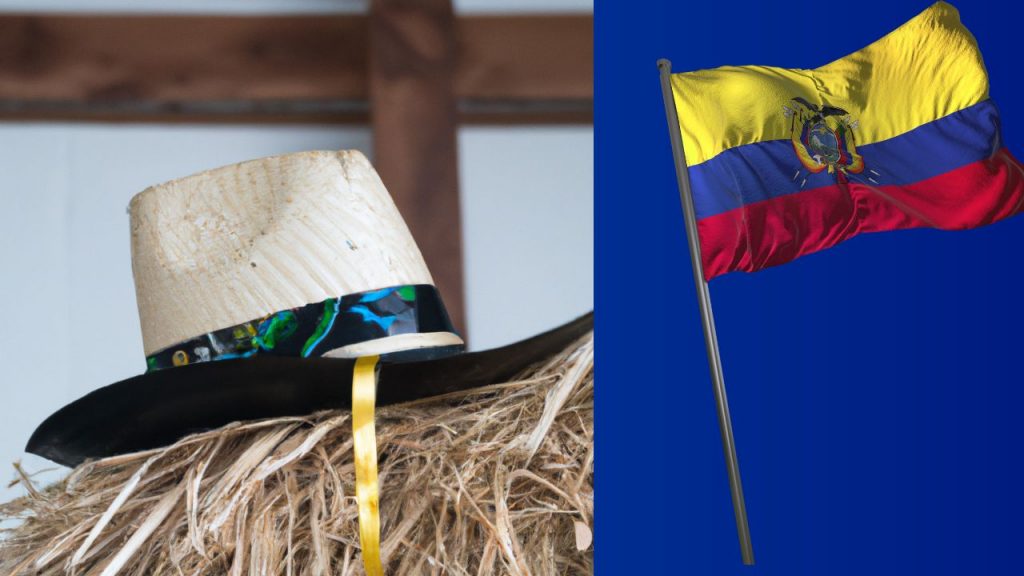
The materials used to make Montecristi hats, including the toquilla straw, are carefully selected and processed to ensure the highest quality. The hatmaking process is entirely handmade, and it can take several weeks or even months to complete a single hat. The hatmakers use a variety of techniques, including braiding, weaving, and blocking, to create a hat that is both functional and aesthetically pleasing.
In addition to their quality and craftsmanship, Montecristi hats are also known for their versatility and style. They can be worn in a variety of settings and can be customized to suit different tastes and preferences. As a result, Montecristi hats have become popular with a wide range of people, and they are considered a symbol of Ecuadorian craftsmanship and culture.
History of Montecristi hats
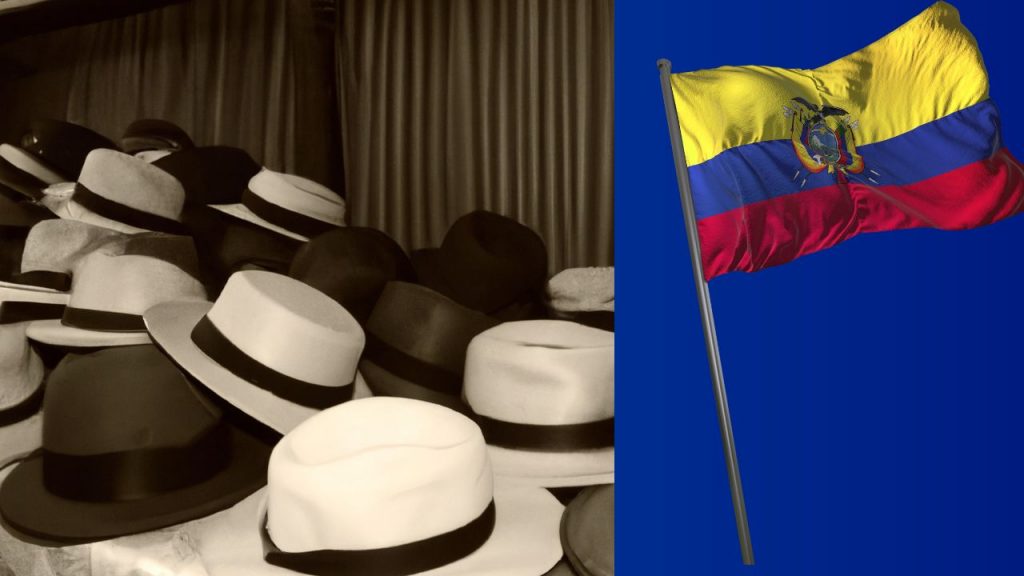
The hat industry in Montecristi has a long history that dates back to the 19th century. The town of Montecristi is located in the province of Manabí in Ecuador, and it is known for its humid, tropical climate and abundant supply of toquilla straw, which is used to make the hats.
According to local legend, the hat industry in Montecristi began when a group of hatmakers from the town of Cuenca arrived in Montecristi in the mid-19th century. They were seeking a new source of toquilla straw, which was in high demand at the time, and they discovered that the Carludovica palmata plant, which grows in the region, produced an excellent quality of straw.
The hatmakers in Montecristi initially used the same techniques and tools that were used in Cuenca to make the hats. However, over time, they developed their own unique methods and techniques, which have been passed down from generation to generation.
Today, the hatmaking process in Montecristi is still largely handmade, and it can take several weeks or even months to complete a single hat. The hatmakers use a variety of techniques, including braiding, weaving, and blocking, to create a hat that is both functional and aesthetically pleasing. In recent years, there has been a resurgence of interest in traditional hatmaking techniques, and many young hatmakers in Montecristi are learning the craft from their elders.
Materials Used to Make Montecristi Hats
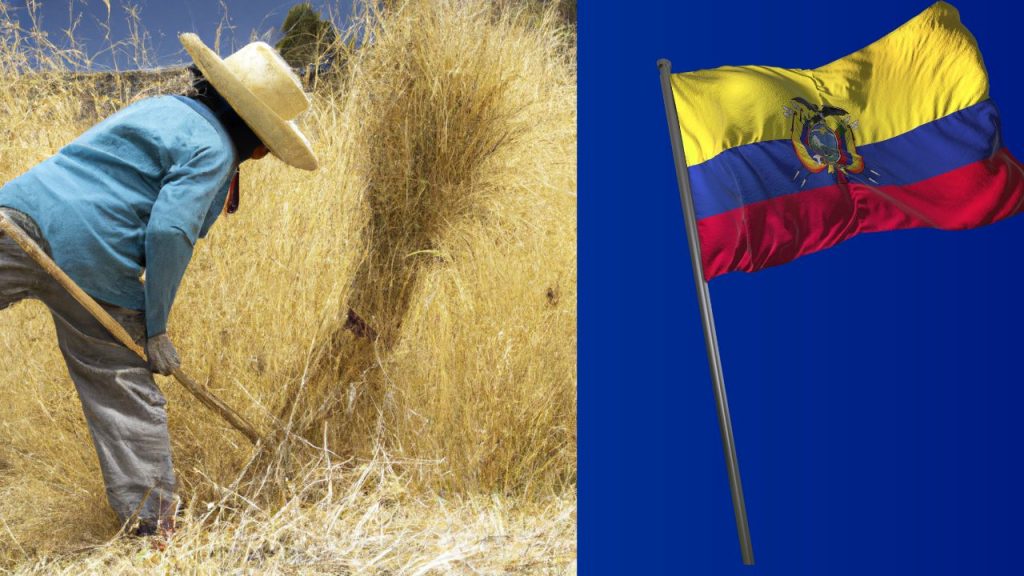
As mentioned, the straw used to make Montecristi hats is called “toquilla straw,” and it comes from the Carludovica palmata plant. This type of straw is known for its flexibility and strength, and it is carefully selected and processed by the hatmakers to ensure the highest quality.
To collect the toquilla straw, the hatmakers cut the leaves of the Carludovica palmata plant and then remove the outer layers to reveal the fibers, which are then dried in the sun. Once the fibers are dry, they are sorted according to quality and color.
After the fibers have been sorted, they are soaked in water to make them pliable and then braided into long strands. The braided strands are then woven into the shape of the hat using a variety of techniques, including plaiting, twining, and knotting.
In addition to the toquilla straw, the hatmakers may also use a variety of other materials to decorate the hats or make them more durable. These materials may include ribbon, leather, beads, and other decorative elements.
Overall, the materials used to make Montecristi hats are carefully selected and processed to ensure the highest quality, and they play a significant role in the unique character and durability of these hats.
The Craftsmanship of Montecristi hats
The craftsmanship of Montecristi hats is an important aspect of their unique character and appeal. The process of making a Montecristi hat is entirely handmade, and it can take several weeks or even months to complete a single hat.
The hatmaking process begins with the collection and processing of the toquilla straw, which is described in more detail in my previous response. Once the toquilla straw has been braided into long strands, the hatmakers use a variety of techniques to shape and form the hat.
One of the most important techniques used in the hatmaking process is braiding. The hatmakers braid the toquilla straw into long strands, which are then woven into the shape of the hat. The hatmakers use different braiding techniques to create different patterns and effects, and they may also use other materials, such as ribbon or beads, to decorate the hat.
In addition to braiding, the hatmakers also use techniques such as weaving and knotting to shape and form the hat. They may also use blocking techniques to give the hat its final shape and structure.
Overall, the craftsmanship of Montecristi hats is characterized by a high level of attention to detail and a commitment to traditional techniques. The hatmakers use a variety of techniques, including braiding, weaving, and blocking, to create a hat that is both functional and aesthetically pleasing.
How To Choose A Perfect Montecristi hat
Here are some tips for choosing the right size Montecristi hat:
- Measure your head: To find the right size hat, it’s important to measure your head using a flexible tape measure. Place the tape measure around your head, just above your ears and eyebrows. This will give you an accurate measurement of your head circumference.
- Check the size chart: Most Montecristi hatmakers provide a size chart on their website or in their store. The chart will give you an idea of what size hat to choose based on your head circumference.
- Try on different sizes: If you’re buying a Montecristi hat in person, try on different sizes to see which one fits best. The hat should fit snugly on your head, but it shouldn’t be too tight.
- Consider the style: Different styles of Montecristi hats may fit differently, so be sure to consider the style of hat you’re interested in when choosing a size.
- Customize for a perfect fit: If you’re unable to find a Montecristi hat in your size, many hatmakers offer customization options. You can ask them to make a hat to your specific measurements, which will ensure a perfect fit.
After Care Instructions
Once you’ve chosen the right size Montecristi hat, here are some tips for caring for it:
- Store your hat properly: When you’re not wearing your Montecristi hat, store it in a dry, cool place. Avoid exposing it to direct sunlight or heat, as this can cause the straw to become brittle and dry out.
- Keep it clean: To clean your Montecristi hat, gently brush it with a soft, dry brush. If it becomes soiled, you can spot clean it using a mild detergent and a damp cloth. Avoid getting the hat too wet, as it may become misshapen.
- Protect it from the elements: If you’re going to be wearing your Montecristi hat in the rain, you can apply a waterproofing spray to help protect it. Avoid wearing the hat in extreme weather conditions, as this can cause it to become damaged.
- Repair any damage: If your Montecristi hat becomes damaged, you can take it to a hat repair specialist to have it fixed. This will help to preserve the integrity and longevity of the hat.
Conclusion
Montecristi hats can be worn in a variety of settings and can be customized to suit different tastes and preferences. As a result, Montecristi hats have become popular with a wide range of people, including celebrities, politicians, and everyday hat enthusiasts. Montecristi Panama hats have been worn by many famous faces throughout the years, from Winston Churchill to Steve McQueen. The popularity of Montecristi hats has helped to make them a symbol of Ecuadorian craftsmanship and culture, and they continue to be prized by hat enthusiasts around the world.